What to Expect During a Roof Inspection
- 1. What is the Purpose of a Roof Inspection?
- 2. Types of Roof Inspections
- 3. The Roof Inspection Process
- 4. Common Issues Found During Roof Inspections
- 5. Why Are Roof Inspections Important?
1. What is the Purpose of a Roof Inspection?
A roof inspection is a comprehensive examination of the condition of your roof. It aims to assess the health of the roofing system, identify damage, and catch potential problems early to avoid costly repairs in the future. Whether you're planning to buy a new home or need to assess your roof's condition after a storm, scheduling a professional roof inspection is crucial.
During the inspection, a roofing professional will look for signs of wear and tear, leaks, or any vulnerabilities that could lead to more serious issues down the road. This proactive approach helps to extend the life of your roof and ensures the safety of your home.

2. Types of Roof Inspections
There are different types of roof inspections that homeowners may need, depending on the situation:
- Routine Inspections: These are conducted periodically, usually once a year or after extreme weather events. Routine inspections help keep your roof in top shape.
- Pre-purchase Inspections: If you're buying a new home, a roof inspection is essential to understand the roof's condition before making a final decision.
- Insurance Inspections: Insurance companies may require a roof inspection to determine the policy terms or confirm the roof’s integrity, especially in areas prone to severe weather.
- Post-storm Inspections: After storms, it's critical to have your roof inspected for damage that may not be immediately visible but could worsen over time.
3. The Roof Inspection Process
When you schedule a roof inspection, here's what to expect during the process:
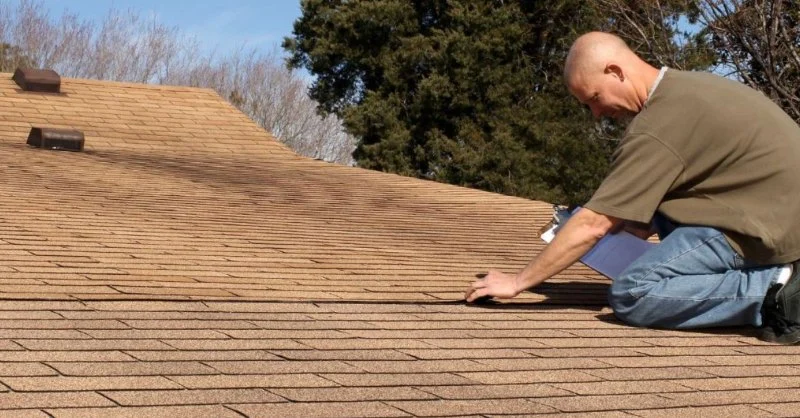
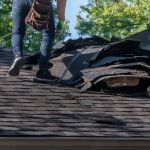
- Exterior Inspection: The inspector will start by examining the roof's exterior, looking for visible signs of damage, such as cracked shingles, missing tiles, or damaged flashing. They will also assess the gutters, downspouts, and ventilation system.
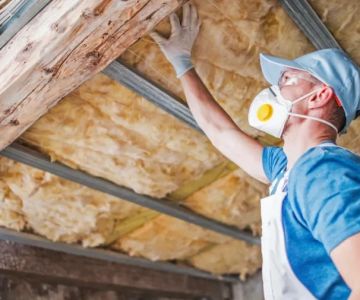
- Interior Inspection: The inspector will check inside your attic for signs of water damage, mold, or poor ventilation. They may also check for structural issues that could affect the roof.
- Detailed Reporting: After the inspection, the contractor will provide a report detailing any issues found, including photos and recommendations for repairs or maintenance. The report may also include estimates for the costs involved.
4. Common Issues Found During Roof Inspections
Roof inspections often uncover common problems that homeowners might not be aware of, such as:
- Leaks and Water Damage: Leaks caused by damaged shingles, worn-out flashing, or clogged gutters can lead to water damage inside the home, resulting in costly repairs.
- Loose or Missing Shingles: Wind, rain, and other weather conditions can cause shingles to loosen or even detach from the roof, leaving it vulnerable to further damage.
- Clogged Gutters: Blocked gutters can prevent proper water drainage, leading to water backing up onto the roof, which can cause leaks and other issues.
- Poor Ventilation: Inadequate ventilation in the attic can lead to heat buildup, which may damage the roof over time and contribute to moisture problems.
5. Why Are Roof Inspections Important?
Regular roof inspections are crucial for several reasons:
- Preventative Maintenance: Early detection of problems can help prevent larger issues and costly repairs down the line. Catching small issues before they become big problems extends the life of your roof.
- Insurance and Warranty Compliance: Many insurance companies and roofing manufacturers require regular inspections to keep warranties valid or maintain coverage.
- Peace of Mind: Knowing your roof is in good condition gives you peace of mind, especially before buying or selling a home.
By scheduling regular roof inspections, you can ensure your home remains safe, secure, and protected from the elements for years to come.
For trusted roof inspection services and expert recommendations, visit Total Roofing Hub today.
 Skyline Designs Roofing5.0 (99 reviews)
 Perfect Roofing Installations4.0 (60 reviews)
 Dog Tags Construction LLC4.0 (16 reviews)
 Gutter Shutter of Central Maryland5.0 (9 reviews)
 Sam Cline Handyman Services4.0 (37 reviews)
 Paramount Builders Inc.4.0 (302 reviews)
 Should I Repair or Replace My Roof?
 Top 10 Signs Your Roof Needs Immediate Repair Before It’s Too Late
 The Pros and Cons of Vinyl Siding: Is It the Right Choice for Your Home?
 How to Choose a Reliable Roofing Contractor Near You – Expert Tips
 Top 10 Signs Your Roof Needs Immediate Repair You Shouldn’t Ignore
 How to Spot Hail Damage on Your Roof | Quick Guide for Homeowners