The Complete Guide to Metal Roofing Systems
- 1- What is a Metal Roofing System?
- 2- Types of Metal Roofing Materials
- 3- Benefits of Metal Roofs
- 4- Installation Process for Metal Roofs
- 5- Maintenance and Care Tips for Metal Roofing
1- What is a Metal Roofing System?
A metal roofing system is a roof made from metal pieces or tiles that offer durable, long-lasting protection for homes and buildings. Metal roofs are known for their strength, energy efficiency, and ability to withstand harsh weather conditions. These roofs come in various materials, including steel, aluminum, copper, and zinc. They are often chosen for their longevity and low-maintenance requirements, making them a popular choice for homeowners and businesses alike.
2- Types of Metal Roofing Materials
Metal roofing systems come in various materials, each offering distinct advantages and characteristics. The most common types include:
- Steel: Known for its strength and resistance to harsh weather, steel is one of the most popular choices for metal roofing.
- Aluminum: Lightweight, corrosion-resistant, and perfect for coastal areas where saltwater can damage other roofing materials.
- Copper: Offers a unique aesthetic with a distinctive green patina over time, though it is more expensive than other materials.
- Zinc: Highly durable and corrosion-resistant, zinc roofs are low-maintenance and can last for decades.
Choosing the right metal roofing material depends on your location, budget, and the desired aesthetic of your property.
3- Benefits of Metal Roofs
There are numerous reasons why metal roofing systems are growing in popularity. Some of the main benefits include:
- Longevity: Metal roofs can last 40-70 years, depending on the material used, making them a long-term investment.
- Durability: Metal roofs are resistant to extreme weather conditions, including rain, snow, wind, and hail.
- Energy Efficiency: Metal roofs reflect solar heat, reducing cooling costs in the summer.
- Low Maintenance: Unlike traditional roofing materials, metal roofs require minimal maintenance.
- Environmentally Friendly: Many metal roofs are made from recycled materials and are fully recyclable at the end of their lifespan.
These advantages make metal roofing systems a smart choice for homeowners looking for durability and efficiency.
4- Installation Process for Metal Roofs
The installation of a metal roofing system is a meticulous process that requires skilled professionals to ensure a perfect fit. The steps typically include:
- Preparation: The existing roof (if any) is inspected and prepared for the new metal roofing system.
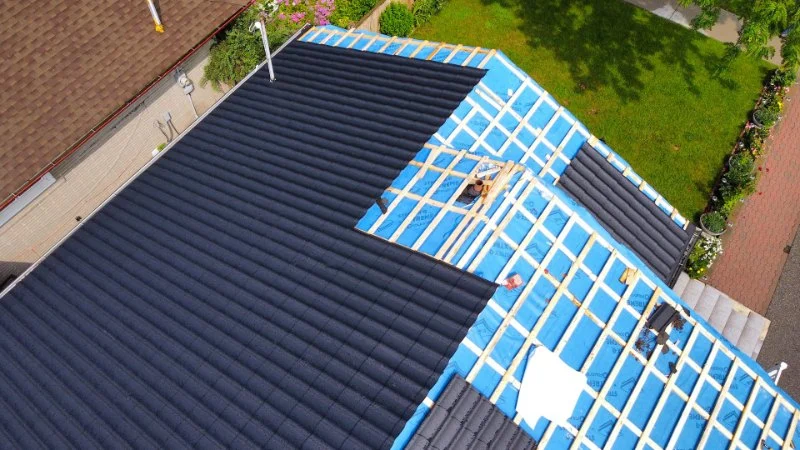
- Installation of Underlayment: A protective underlayment is installed to prevent moisture from penetrating the roof.
- Metal Panels Installation: The metal panels or shingles are carefully installed, ensuring that they overlap correctly for optimal protection.
- Flashing and Ventilation: Flashing is added around chimneys, vents, and other roof features to prevent leaks. Proper ventilation is also ensured to prevent condensation.
Metal roofing installation can take anywhere from a few days to a week, depending on the size and complexity of the roof.
5- Maintenance and Care Tips for Metal Roofing
To keep your metal roof in top condition and extend its lifespan, regular maintenance is essential. Here are some tips for caring for your metal roof:
- Regular Inspections: Periodically inspect your roof for any damage, such as loose panels or signs of corrosion.
- Clean Gutters: Ensure that gutters and downspouts are clear of debris to avoid water buildup.
- Wash the Roof: Occasionally wash your metal roof to remove dirt, moss, or algae that can accumulate over time.
- Address Minor Damage Promptly: Fix small dents, scratches, or rust spots quickly to prevent further damage.
With proper maintenance, a metal roof can last for decades, providing excellent protection for your home.
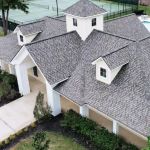 Skyline Designs Roofing5.0 (99 reviews)
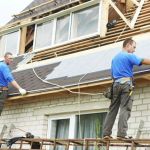 Perfect Roofing Installations4.0 (60 reviews)
 Dog Tags Construction LLC4.0 (16 reviews)
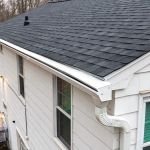 Gutter Shutter of Central Maryland5.0 (9 reviews)
 Sam Cline Handyman Services4.0 (37 reviews)
 Paramount Builders Inc.4.0 (302 reviews)
 Should I Repair or Replace My Roof?
 Top 10 Signs Your Roof Needs Immediate Repair Before It’s Too Late
 The Pros and Cons of Vinyl Siding: Is It the Right Choice for Your Home?
 How to Choose a Reliable Roofing Contractor Near You – Expert Tips
 Top 10 Signs Your Roof Needs Immediate Repair You Shouldn’t Ignore
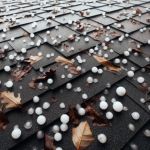 How to Spot Hail Damage on Your Roof | Quick Guide for Homeowners