
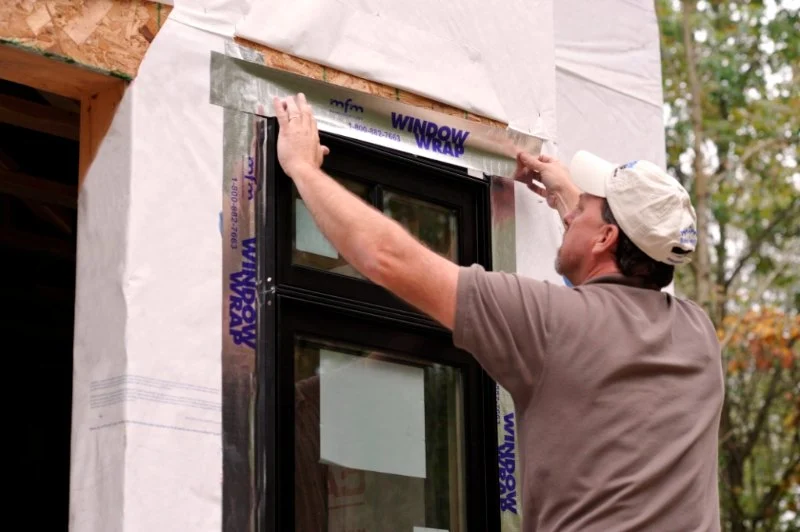
1. The Importance of Flashing in Roofing
Flashing is a critical component of your home’s roofing system. It is used around windows, doors, and roof edges to prevent water from entering and causing damage. Without proper flashing, moisture can infiltrate the structure, leading to mold, rotting wood, and costly repairs. Maintaining the flashing ensures that your home remains water-resistant and protected from the elements.
pgsqlCopy code2. Types of Flashing for Windows, Doors, and Roof Edges
There are several types of flashing materials and techniques used for different parts of your home. Understanding which type to use for windows, doors, and roof edges can make a significant difference in how well they protect your property.

Gold Tech Roofing & Exteriors
AlhambraLos Angeles CountyCalifornia
410 W Main St #56, Alhambra, CA 91801, USA
Window Flashing
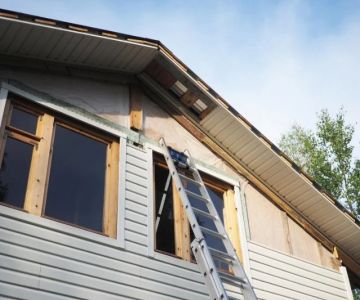
Window flashing is installed around the edges of windows to divert water away from the window frame. This is particularly important in areas prone to heavy rain or snow. Common materials for window flashing include aluminum, copper, and PVC-coated flashing.

RCUSA - Roofing & Construction
1309 Leander Dr Unit 104, Leander, TX 78641, USA
Door Flashing
Door flashing works similarly to window flashing, ensuring that moisture doesn’t seep into the doorframe. Proper door flashing is especially critical in areas with heavy wind or rainfall, as it helps prevent water from collecting around the door base. It’s typically made of galvanized steel or copper.
Roof Edge Flashing
Flashing around the roof edges, also known as eaves flashing, is essential to protect your roof from leaks and water damage. This type of flashing is usually installed where the roof meets the wall, ensuring water flows off the roof without pooling along the edges. Materials like metal or rubber are commonly used for roof edge flashing.
3. Maintenance Tips for Flashing
To ensure that your flashing remains effective, regular maintenance is crucial. Here are some essential tips for keeping your flashing in top condition:
Inspect Flashing Regularly
Regularly check your flashing for signs of damage, rust, or wear. Inspect the areas around windows, doors, and roof edges after storms or harsh weather. Look for any visible gaps, cracks, or peeling materials that could compromise the waterproofing.
Clean and Clear Debris
Debris, such as leaves, dirt, and moss, can collect on flashing and hinder its ability to protect your home. Regularly clean the flashing, especially around the roof edges, to ensure that water can flow freely without obstruction.
Apply Sealant
If the sealant around your flashing appears cracked or worn, reapply it to ensure a tight seal. Use a high-quality silicone or polyurethane sealant designed for exterior use to provide long-lasting protection against the elements.
4. Common Flashing Issues and How to Fix Them
While flashing is designed to last, certain issues may arise over time. Understanding common problems can help you identify and address them before they lead to costly repairs.
Leaking Around Windows or Doors
Leaks around windows or doors are often caused by damaged or improperly installed flashing. If you notice water stains or moisture around your window or door frames, it’s essential to replace or repair the flashing immediately. This may involve removing the trim, replacing the flashing, and resealing the area.
Rust or Corrosion
Metal flashing is susceptible to rust and corrosion, especially in areas with high humidity or salt in the air. If your flashing is rusting, replace it with more durable materials like copper or stainless steel. If only small areas are affected, you can clean and repaint the flashing to prevent further damage.
Improperly Sealed Flashing
Improperly sealed flashing can lead to water leaks, especially in corners or around protrusions like chimneys. If you notice that the sealant is cracking or peeling, it’s time to remove the old sealant and apply a fresh layer to maintain a watertight seal.
5. Expert Advice for Long-Term Flashing Care
For long-term protection and durability, it’s essential to consult with roofing experts who specialize in flashing installation and maintenance. Professional roofers can help you choose the right materials for your home and ensure that the flashing is correctly installed and maintained.
At Total Roofing Hub, we provide expert guidance on maintaining and repairing flashing around windows, doors, and roof edges. Whether you need a simple repair or a full flashing replacement, our team can help you keep your home safe and dry for years to come.
 Marc Joseph remodeling5.0 (1 reviews)
 PRS Roofing Inc5.0 (9 reviews)
 KAPS CONSTRUCTION4.0 (5 reviews)
 Marshall Exteriors, LLC4.0 (213 reviews)
 S.W.A.T. Roofing & Consulting4.0 (46 reviews)
 MATFI RENOVATIONS LLC5.0 (23 reviews)
 Siding Material Fire Ratings: What’s Required & What to Choose
 Roof Talk: Common Terminology Every Homeowner Should Know
 How Often Should You Replace Your Home's Siding? Expert Tips on Siding Longevity
 The Average Lifespan of Asphalt Shingle Roofs: How Long Do They Last?
 How to Choose a Reliable Roofing Contractor Near You | Top Tips and Questions
 Should I Repair or Replace My Roof? – Expert Guide for U.S. Homeowners