The Best Roofing Materials for Cold Climates
- Why Roofing Materials Matter in Cold Climates
- Top Roofing Materials for Cold Climates
- Advantages and Disadvantages of Each Material
- How to Choose the Right Roofing Material for Your Home
- Real-Life Examples of Cold Climate Roofs
Why Roofing Materials Matter in Cold Climates
In cold climates, the roof of your home is your first line of defense against harsh weather conditions. It’s crucial to choose the right roofing materials to ensure your home remains protected from snow, ice, and freezing temperatures. Poorly selected materials can result in leaks, ice dams, and costly repairs. Understanding how different materials perform in cold weather is essential for homeowners looking to make a smart and long-term investment in their roof.
Carolinas Creative Construction
LexingtonLexington CountySouth Carolina
1603 Commendable Ct, Lexington, SC 29073, USA
Top Roofing Materials for Cold Climates
Not all roofing materials are created equal, especially when it comes to dealing with cold weather. Here are some of the best roofing materials for cold climates:

JK Construction Consultants & Roofing
CarbondaleLackawanna CountyPennsylvania
208 Fallbrook St, Carbondale, PA 18407, USA
1. Asphalt Shingles
Asphalt shingles are one of the most common roofing materials and are well-suited for cold climates. They are durable, affordable, and provide excellent insulation. In cold weather, asphalt shingles tend to perform well because they are designed to withstand snow and ice buildup. Additionally, newer asphalt shingles come with advanced granules that help resist algae and ice dam formation. However, they can become brittle in extremely low temperatures, so it’s important to handle them carefully during installation.
2. Metal Roofing
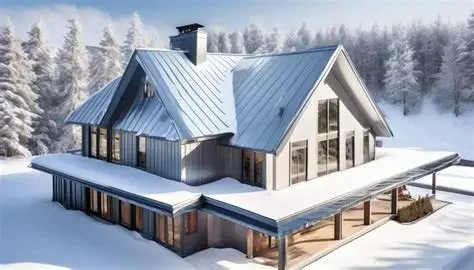
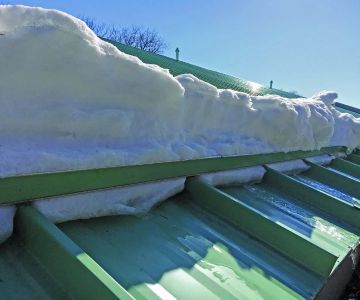
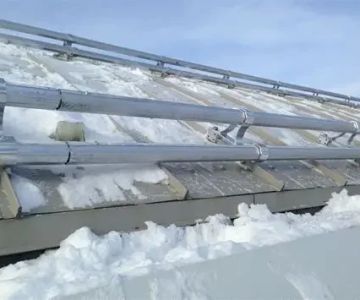
Metal roofing is another excellent choice for cold climates. It’s highly durable, resistant to snow and ice buildup, and provides superior protection against extreme weather. Metal roofs are particularly advantageous in areas with heavy snowfall, as snow slides off more easily compared to traditional materials like asphalt shingles. Metal roofs are also energy-efficient, reflecting sunlight and helping to maintain a stable indoor temperature. However, they can be more expensive to install than asphalt shingles.
3. Slate Roofing
Slate is a natural stone that is incredibly durable and long-lasting. It’s an excellent choice for cold climates because it can withstand freezing temperatures and heavy snow. Slate is also resistant to fire and is low-maintenance, which makes it a desirable option for homeowners who want a long-term solution. However, slate roofing is heavy and requires proper structural support, and it can be costly compared to other materials like asphalt shingles or metal roofing.
4. Wood Shingles and Shakes
Wood shingles and shakes offer a natural and aesthetically pleasing look, but they aren’t the best option for extremely cold climates. While they can be effective in milder winter conditions, they are prone to moisture absorption and can crack or warp if exposed to prolonged freezing temperatures. If you live in an area with harsh winters, it’s important to consider other materials that provide better insulation and moisture resistance.
5. Rubber Roofing
Rubber roofing is a more modern solution that provides excellent resistance to freezing temperatures, snow, and ice. It is flexible, which means it’s less likely to crack in cold weather. Rubber roofing is also lightweight, easy to install, and relatively low-cost compared to other options like slate or metal roofing. However, it may not have the same aesthetic appeal as other roofing materials, and it may need to be replaced more frequently than more durable options.
Advantages and Disadvantages of Each Material
When choosing roofing materials for cold climates, it’s important to weigh the pros and cons of each option. Below is a comparison of the most common materials:
1. Asphalt Shingles
Advantages: Affordable, easy to install, widely available, good insulation properties, resistant to heavy snow.
Disadvantages: Can become brittle in extreme cold, less durable compared to metal or slate, may require frequent maintenance.
2. Metal Roofing
Advantages: Long-lasting, energy-efficient, great for shedding snow and ice, highly durable, resistant to harsh weather conditions.
Disadvantages: Higher installation cost, noise during rain or snow, prone to denting if hit by heavy objects.
3. Slate Roofing
Advantages: Extremely durable, long lifespan, fire-resistant, low-maintenance, aesthetically pleasing.
Disadvantages: Expensive, heavy (requires additional structural support), difficult to repair if damaged.
4. Wood Shingles and Shakes
Advantages: Natural, attractive, good insulation properties.
Disadvantages: Not ideal for cold climates, susceptible to moisture absorption, prone to cracking and warping, requires regular maintenance.
5. Rubber Roofing
Advantages: Affordable, flexible, easy to install, resistant to freezing temperatures.
Disadvantages: Less aesthetically appealing, may need to be replaced more frequently, not as durable as slate or metal roofing.
How to Choose the Right Roofing Material for Your Home
Choosing the right roofing material for your home depends on various factors, including climate, budget, and aesthetic preferences. Here are a few tips to help guide your decision:
1. Consider the Severity of the Winter
If you live in an area with long, harsh winters, materials like metal or slate are likely your best options due to their durability and resistance to extreme conditions. For areas with milder winters, asphalt shingles may provide an adequate solution at a more affordable cost.
2. Factor in the Roof’s Slope
The slope of your roof plays a significant role in how materials will perform. Steeper roofs will shed snow and ice more easily, making materials like metal roofing ideal. For flatter roofs, consider materials that can handle water buildup, such as rubber roofing or high-quality asphalt shingles.
3. Budget Considerations
Cost is always a factor when choosing roofing materials. While slate and metal roofing offer long-term durability, they can be costly to install. Asphalt shingles are the most affordable option but may not last as long in cold climates. Consider your long-term investment and choose a material that fits your budget and your needs.
Real-Life Examples of Cold Climate Roofs
Here are a couple of real-life examples of how different roofing materials perform in cold climates:
Case Study 1: Metal Roofing in Alaska
In Alaska, many homes rely on metal roofing due to the heavy snowfalls and freezing temperatures. The metal roofing helps to shed snow quickly, preventing the formation of ice dams that could damage the roof and structure of the home. Homeowners report that metal roofs perform exceptionally well in these harsh conditions, reducing the need for frequent maintenance.
Case Study 2: Slate Roofing in New England
In New England, where winters can be severe, slate roofing is a popular choice for historical homes. The durability and aesthetic appeal of slate make it a favorite, despite its higher installation costs. Homeowners in this region appreciate the longevity and fire-resistant properties of slate, which provide peace of mind throughout the long winter months.
If you’re looking for the best roofing materials for cold climates, visit Total Roofing Hub for expert advice and top-quality products that will help protect your home during the harshest winters.
 Skyline Designs Roofing5.0 (99 reviews)
 Perfect Roofing Installations4.0 (60 reviews)
 Dog Tags Construction LLC4.0 (16 reviews)
 Gutter Shutter of Central Maryland5.0 (9 reviews)
 Sam Cline Handyman Services4.0 (37 reviews)
 Paramount Builders Inc.4.0 (302 reviews)
 Should I Repair or Replace My Roof?
 Top 10 Signs Your Roof Needs Immediate Repair Before It’s Too Late
 The Pros and Cons of Vinyl Siding: Is It the Right Choice for Your Home?
 How to Choose a Reliable Roofing Contractor Near You – Expert Tips
 Top 10 Signs Your Roof Needs Immediate Repair You Shouldn’t Ignore
 How to Spot Hail Damage on Your Roof | Quick Guide for Homeowners