- Importance of Drainage in Flat Roofs
- Choosing the Right Material for Your Flat Roof
- Common Material Options for Flat Roofs
- Step-by-Step Guide to Replacing a Flat Roof
- Maintaining Your Flat Roof After Replacement
1. Importance of Drainage in Flat Roofs
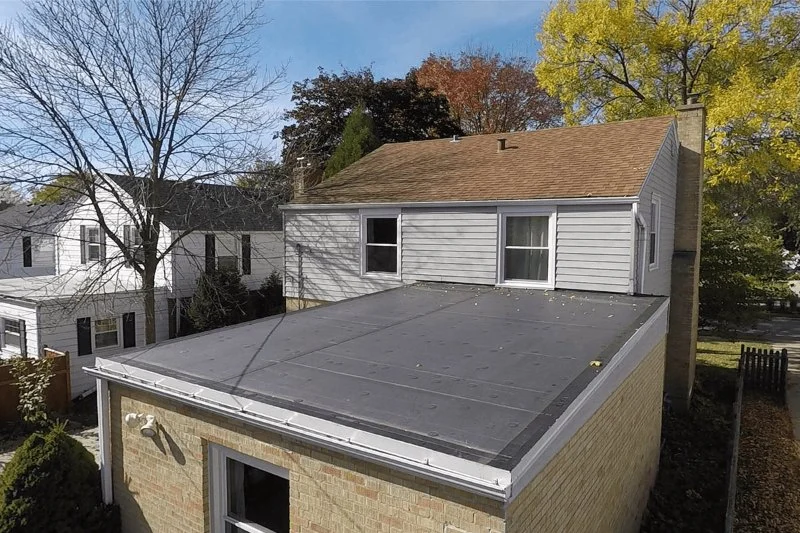
Flat roofs, despite their name, are not entirely level. A slight slope is essential to ensure that water drains off the roof efficiently. Without proper drainage, water can pool on the surface, leading to potential leaks, structural damage, and costly repairs. Proper drainage systems are crucial to extending the lifespan of your roof and maintaining the integrity of your home or building.
There are several drainage solutions to consider when replacing a flat roof, including internal drains, scuppers, and gutters. Choosing the right system depends on your roof's design, location, and climate. For example, in areas with heavy rainfall, additional drainage features may be needed to prevent water accumulation. If your flat roof is prone to pooling, a professional roofing contractor can assess the slope and recommend the best drainage system for your needs.

Superior Stucco & Stone
San MarcosSan Diego CountyCalifornia
1285 Stone Dr # 105, San Marcos, CA 92078, USA
2. Choosing the Right Material for Your Flat Roof
When replacing a flat roof, selecting the right materials is key to ensuring durability, energy efficiency, and weather resistance. Different materials offer various benefits, from insulation to cost-effectiveness. It's essential to consider factors like your building's structure, budget, and environmental impact when making your decision.
Materials for flat roofs need to withstand UV exposure, extreme temperatures, and the possibility of water ponding. Additionally, some materials provide more insulation than others, helping to improve the energy efficiency of your home. Below, we will explore the most popular materials for flat roof replacement.

3. Common Material Options for Flat Roofs
Several materials are available for flat roof replacement, each with its own advantages and drawbacks. Here’s a breakdown of the most common options:
3.1 EPDM (Ethylene Propylene Diene Monomer)
EPDM is a popular choice for flat roofs due to its durability, flexibility, and resistance to UV rays, ozone, and extreme temperatures. It is also highly resistant to water and is known for being low maintenance. EPDM comes in large sheets, which helps reduce seams and the risk of leaks. However, it can be more expensive than other options and requires professional installation.
3.2 TPO (Thermoplastic Olefin)
TPO is a single-ply roofing membrane known for its energy efficiency, heat resistance, and ease of installation. It’s a lightweight material that’s often used in commercial applications. TPO is also reflective, which can help reduce cooling costs by reflecting sunlight. One downside is that it can be susceptible to punctures and damage from foot traffic, so it may require extra protection in high-traffic areas.
3.3 PVC (Polyvinyl Chloride)
PVC is another single-ply membrane that’s durable and resistant to water, fire, and chemicals. It’s highly reflective, making it a great option for reducing energy costs, especially in hot climates. PVC roofs are often favored for their longevity and ease of maintenance, but they tend to be more expensive than TPO and EPDM. PVC is also prone to shrinkage over time, which can cause seams to loosen.
3.4 Built-Up Roofing (BUR)
Built-up roofing (BUR) is a traditional method that involves layering asphalt and felt, which creates a durable, weather-resistant roof. BUR is highly resistant to water and UV rays and provides excellent insulation. However, it is heavier than other materials and can be difficult to install. It also has a shorter lifespan than synthetic options, requiring more frequent maintenance.
3.5 Modified Bitumen
Modified bitumen is a bitumen-based roofing material that combines asphalt with modifiers like SBS (Styrene-Butadiene-Styrene) or APP (Atactic Polypropylene) to improve its flexibility and performance. It is installed in rolls and can be either self-adhered or torch-applied. Modified bitumen is known for its strength, waterproofing abilities, and ease of installation. It’s a great option for both residential and commercial buildings.
4. Step-by-Step Guide to Replacing a Flat Roof
Replacing a flat roof is a complex task that should ideally be handled by a professional roofing contractor. However, understanding the general steps involved can help you make informed decisions about the process. Here’s a brief overview of the steps involved in replacing a flat roof:
4.1 Assess the Condition of the Existing Roof
Before replacing a flat roof, it’s important to assess the condition of the existing roof. If your roof has extensive damage, it may be more cost-effective to replace it rather than repair it. A roofing professional will inspect the roof for signs of wear and damage, including leaks, cracks, and pooling water.
4.2 Choose the Replacement Material
Based on the condition of the existing roof, budget, and environmental factors, choose the most appropriate material for your new flat roof. If your building has specific needs, such as energy efficiency or additional drainage, these factors should influence your choice.
4.3 Remove the Old Roofing
The next step is to remove the old roofing material. This process involves stripping away the old layers, including insulation, and disposing of them properly. Removing the old material is essential for ensuring that the new roof adheres properly and has a stable base.
4.4 Install the New Roof
Once the old material is removed, the new roof is installed. This step varies depending on the type of material being used. For instance, EPDM or TPO roofing systems require precise installation techniques, while BUR and modified bitumen roofing may require more layers. Proper installation ensures that the roof is watertight and durable.
4.5 Install Drainage Solutions
Finally, ensure that proper drainage systems are in place to prevent water buildup. This can include installing internal drains, gutters, or scuppers to help direct water off the roof. Good drainage is essential for preventing water damage and extending the lifespan of your roof.
5. Maintaining Your Flat Roof After Replacement
After your flat roof is replaced, proper maintenance is key to ensuring its longevity. Regular inspections are essential for catching small issues before they become major problems. Here are some tips for maintaining your flat roof:
5.1 Regular Inspections
Perform regular inspections of your flat roof, especially after heavy rain or snowfall. Look for signs of pooling water, cracks, or damage to the roofing material. Early detection can save you money in the long run by addressing issues before they cause significant damage.
5.2 Clean the Drains
Keep the drainage systems clear of debris to ensure that water flows freely off the roof. Blocked drains can lead to water pooling and cause long-term damage to your roof and building.
5.3 Maintain the Roof’s Surface
Check for cracks, punctures, or wear on the surface of your flat roof. Promptly repair any issues to prevent water infiltration and prolong the life of the roof.
Replacing a flat roof involves careful consideration of materials, drainage solutions, and proper installation techniques. With the right preparation and maintenance, your new flat roof can provide years of protection for your home or building. For expert advice, materials, and services for your flat roof replacement, visit Total Roofing Hub, where we offer everything you need to ensure a durable, long-lasting roof.
 Austin Roofing & Restoration5.0 (1 reviews)
 Tetro Construction5.0 (15 reviews)
 Miracle Home Improvements4.0 (57 reviews)
 New Look Roofers5.0 (21 reviews)
 Ambrosio Roofing Inc.5.0 (7 reviews)
 Roofing Hands Renovations5.0 (72 reviews)
 How to Replace Roof Felt or Underlayment Yourself (with Caution)
 How to Recognize Hidden Roof Damage After Heavy Rain
 How to Spot Hail Damage on Your Roof: Tips for Homeowners
 How to Maintain Your Siding Year Round: Essential Tips for Homeowners
 How to Spot Hail Damage on Your Roof - Expert Tips for Homeowners
 Cedar vs Engineered Wood Siding: Which One Is More Durable? | Total Roofing Hub