The Environmental Benefits of a Cool Roof
- 1. What is a Cool Roof and How Does it Work?
- 2. How Cool Roofs Help Reduce Urban Heat Islands
- 3. The Environmental Impact of Lowering Energy Consumption
- 4. Benefits of Cool Roofs in Water Conservation
- 5. Real-World Examples of Cool Roofs in Action
- 6. How to Get Started with Installing a Cool Roof
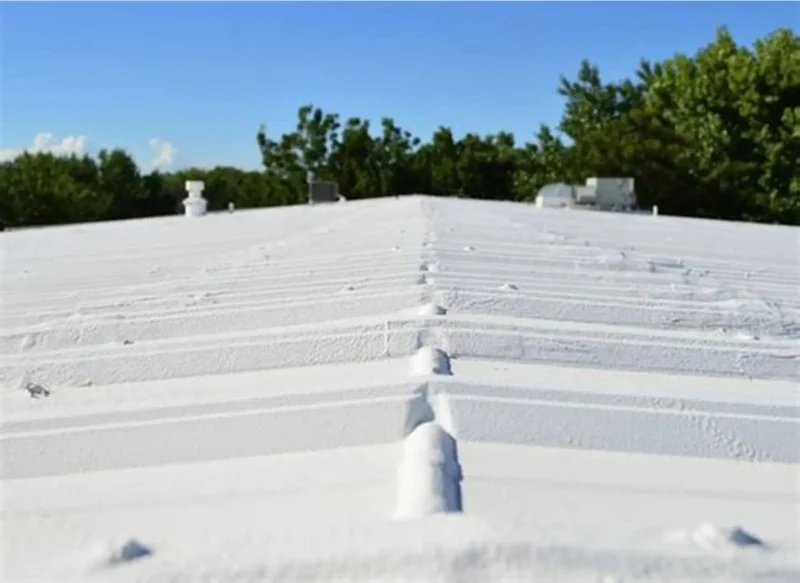
In an era where sustainability is more important than ever, the adoption of cool roofs offers a simple yet effective way to reduce energy consumption and mitigate environmental damage. A cool roof is a roofing material designed to reflect more sunlight and absorb less heat than a standard roof. This reflective quality helps reduce the amount of heat transferred into buildings, lowering the need for air conditioning and making indoor environments more comfortable. But the benefits of cool roofs go far beyond just energy savings. Let's dive into the numerous environmental benefits of installing a cool roof.
One of the primary environmental advantages of cool roofs is their role in combating the urban heat island effect. Urban heat islands occur when cities experience significantly higher temperatures than surrounding rural areas, mainly due to the abundance of asphalt, concrete, and other materials that absorb and retain heat. By installing cool roofs, which reflect sunlight rather than absorbing it, cities can lower their ambient temperatures. This reduction in heat can help decrease air conditioning demand, lower energy consumption, and ultimately reduce greenhouse gas emissions. Cool roofs contribute to a healthier urban environment by cooling down buildings, streets, and the overall cityscape.
Cool roofs also play a crucial role in reducing energy consumption, which has a direct environmental impact. In traditional buildings, the roof absorbs a significant amount of heat, causing the building's interior to become hotter. To combat this, air conditioners are used more frequently, which consumes large amounts of electricity—often sourced from fossil fuels. Cool roofs, by reflecting heat, reduce the amount of energy required to cool a building. This leads to lower energy bills for homeowners and businesses, while simultaneously reducing the overall carbon footprint of a building. According to studies, cool roofs can lower energy consumption by up to 15%, depending on the region and the type of building.
Another often-overlooked benefit of cool roofs is their impact on water conservation. Buildings with traditional roofs often require higher levels of energy for cooling, which increases water consumption through the use of cooling systems. On the other hand, cool roofs reduce energy consumption, which in turn lowers the demand for water. This is especially important in water-scarce regions, where conserving water is a top priority. Furthermore, cool roofs help reduce the urban heat island effect, which can increase the amount of precipitation in urban areas. This helps to regulate water cycles and further contributes to water conservation.
Many cities and businesses have already begun to reap the environmental benefits of cool roofs. For example, the city of Los Angeles has adopted a "cool roof" program to encourage building owners to install cool roofing materials. This initiative has led to a significant reduction in the city’s overall temperature, particularly in high-density areas. Commercial buildings, such as those in the downtown areas, have benefited from reduced air conditioning costs and improved energy efficiency. Even large institutions like schools and hospitals have seen the advantages of cool roofs, improving comfort levels for students and patients while reducing environmental impacts.
If you are considering the installation of a cool roof, there are several steps you can take to get started. First, assess your roof’s current condition and whether it is suitable for a cool roof upgrade. Most existing roofs can be retrofitted with cool roofing materials. Next, consult with a professional roofer or contractor who specializes in cool roofs to explore your options. Cool roofs are available in various materials, including reflective coatings, white membranes, and cool shingles. These materials can be applied to both residential and commercial buildings. For further guidance on products and services related to cool roofs, visit Total Roofing Hub, where we offer recommendations tailored to your needs.
 Marc Joseph remodeling5.0 (1 reviews)
 PRS Roofing Inc5.0 (9 reviews)
 KAPS CONSTRUCTION4.0 (5 reviews)
 Marshall Exteriors, LLC4.0 (213 reviews)
 S.W.A.T. Roofing & Consulting4.0 (46 reviews)
 MATFI RENOVATIONS LLC5.0 (23 reviews)
 Siding Material Fire Ratings: What’s Required & What to Choose
 Roof Talk: Common Terminology Every Homeowner Should Know
 How Often Should You Replace Your Home's Siding? Expert Tips on Siding Longevity
 The Average Lifespan of Asphalt Shingle Roofs: How Long Do They Last?
 How to Choose a Reliable Roofing Contractor Near You | Top Tips and Questions
 Should I Repair or Replace My Roof? – Expert Guide for U.S. Homeowners