
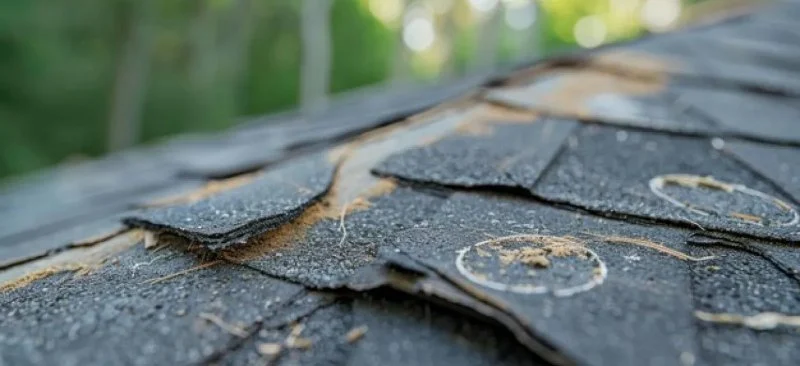
- How Rain Causes Hidden Roof Damage
- Symptoms of Hidden Roof Damage After Heavy Rain
- How to Check for Hidden Roof Damage
- Steps to Repair Hidden Roof Damage
- Preventative Maintenance Tips for Roof Protection
1. How Rain Causes Hidden Roof Damage
Heavy rain can wreak havoc on your roof, but the damage it causes is not always visible right away. Over time, consistent exposure to moisture can seep into vulnerable areas, like roof valleys, flashing, or even under shingles, leading to hidden damage. Leaks may form behind the scenes, resulting in mold, rot, or even structural damage. It's crucial to recognize that just because the roof looks fine on the outside, it doesn't mean there's no water damage occurring underneath.

2. Symptoms of Hidden Roof Damage After Heavy Rain
Hidden roof damage may not always show up immediately, but several signs can point to underlying issues. If you've had a heavy rainstorm recently, keep an eye out for the following symptoms:

Yonkoski gutter systems, Inc.
ShavertownLuzerne CountyPennsylvania
207 N Main St, Shavertown, PA 18708, USA
2.1 Water Stains on the Ceiling
One of the most obvious signs of hidden roof damage is water stains or discoloration on your ceiling. These stains typically appear after a significant rainstorm and indicate that water has infiltrated through your roof and into the ceiling. Even if the water isn't dripping, these stains suggest that moisture is slowly damaging your home.
2.2 Damp or Musty Odor in the Attic
If your attic has a damp or musty odor, this is a sign that there is lingering moisture trapped in the roof. Mold growth or decaying materials in the attic can result from prolonged exposure to water, even if it isn't visible on the roof itself. The smell often signals that the damage is more extensive than you might think.
2.3 Increased Energy Bills
Hidden roof damage can also affect your home’s insulation, leading to increased energy bills. If your insulation gets wet, it becomes less effective at regulating your home's temperature, which can cause your heating or cooling systems to work harder. If your energy bills spike unexpectedly, this could be a symptom of hidden water damage affecting your insulation.
3. How to Check for Hidden Roof Damage
To identify hidden roof damage, it's essential to perform a thorough inspection after heavy rain. Here's how you can check for potential problems:
3.1 Inspect the Roof from the Ground
Start by inspecting your roof from the ground with binoculars. Look for any visible signs of damage, such as missing shingles, damaged flashing, or areas where water might have pooled. While this won't catch all hidden damage, it can help you identify obvious problems.
3.2 Check Your Attic for Water Stains
Head up to your attic and inspect the underside of the roof for water stains, damp insulation, or mold. This area is often the first place where hidden damage shows up. If you notice any discoloration or a musty smell, it’s time to address the issue before it worsens.
3.3 Perform a Thorough Shingle Inspection
If you're comfortable, climb up on a ladder and carefully inspect the shingles. Look for areas where water could be getting underneath, such as curled or cracked shingles. Pay special attention to valleys, vents, and chimneys, as these are common areas for water infiltration.
4. Steps to Repair Hidden Roof Damage
Once you've identified hidden roof damage, it’s crucial to take steps to fix it promptly. Here's a general guide for repairing common hidden roof damage:
4.1 Replace Damaged Shingles
If you’ve found damaged shingles, replace them as soon as possible. Shingles are the first line of defense against rain and water damage, so ensuring they are intact is key to protecting the rest of your roof. Remove any damaged shingles and secure new ones in place, making sure to seal any exposed edges.
4.2 Seal Gaps with Roofing Cement
For smaller leaks or cracks in the roof, apply roofing cement. This helps seal gaps where water could be seeping in. Be sure to apply the cement evenly around edges and seams, especially in vulnerable areas like the roof valleys.
4.3 Replace Damaged Flashing
Flashing is a critical component in preventing water from entering vulnerable areas like chimneys, vents, or valleys. If flashing is damaged or missing, it needs to be replaced to prevent further leaks. Use high-quality, corrosion-resistant flashing for the best results.
5. Preventative Maintenance Tips for Roof Protection
After addressing any hidden roof damage, it’s essential to take steps to prevent future issues. Regular roof maintenance can help you avoid costly repairs down the road:
5.1 Perform Regular Roof Inspections
Regular inspections are key to identifying minor issues before they become big problems. Schedule a roof inspection at least once a year, and after any significant weather events, such as heavy rain or storms.
5.2 Keep Gutters Clean
Clogged gutters can prevent water from flowing properly off your roof, leading to potential leaks. Make sure your gutters are clear of debris to ensure water is channeled away from your roof and foundation.
5.3 Address Small Leaks Quickly
If you notice small leaks or signs of water damage, address them immediately. The longer you wait, the worse the damage can become. Quick repairs can save you from expensive future repairs.
For professional roof inspections, repairs, and maintenance, contact Total Roofing Hub. Our expert team can help you ensure your roof remains in top condition year-round.

 Marc Joseph remodeling5.0 (1 reviews)
 PRS Roofing Inc5.0 (9 reviews)
 KAPS CONSTRUCTION4.0 (5 reviews)
 Marshall Exteriors, LLC4.0 (213 reviews)
 S.W.A.T. Roofing & Consulting4.0 (46 reviews)
 MATFI RENOVATIONS LLC5.0 (23 reviews)
 Siding Material Fire Ratings: What’s Required & What to Choose
 Roof Talk: Common Terminology Every Homeowner Should Know
 How Often Should You Replace Your Home's Siding? Expert Tips on Siding Longevity
 The Average Lifespan of Asphalt Shingle Roofs: How Long Do They Last?
 How to Choose a Reliable Roofing Contractor Near You | Top Tips and Questions
 Should I Repair or Replace My Roof? – Expert Guide for U.S. Homeowners