- 1-Challenges of Roof Maintenance in Urban Settings
- 2-Unique Risks for Roofs in Cities
- 3-Tips for Maintaining Roofs in Urban Environments
- 4-The Importance of Regular Roof Inspections
- 5-Choosing the Right Roofing Materials for City Buildings
1. Challenges of Roof Maintenance in Urban Settings
Maintaining a roof in urban environments comes with its own set of challenges, particularly when compared to suburban or rural areas. The density, pollution, and weather conditions in cities can all contribute to the wear and tear on a building's roof. Urban roofs often face unique pressures that demand more frequent and specialized maintenance. Let’s explore some of these key challenges:
Roofing RIB company
Los AngelesLos Angeles CountyCalifornia
5344 Circle Dr apt 12, Sherman Oaks, CA 91401, USA
1.1 Exposure to Pollution and Debris
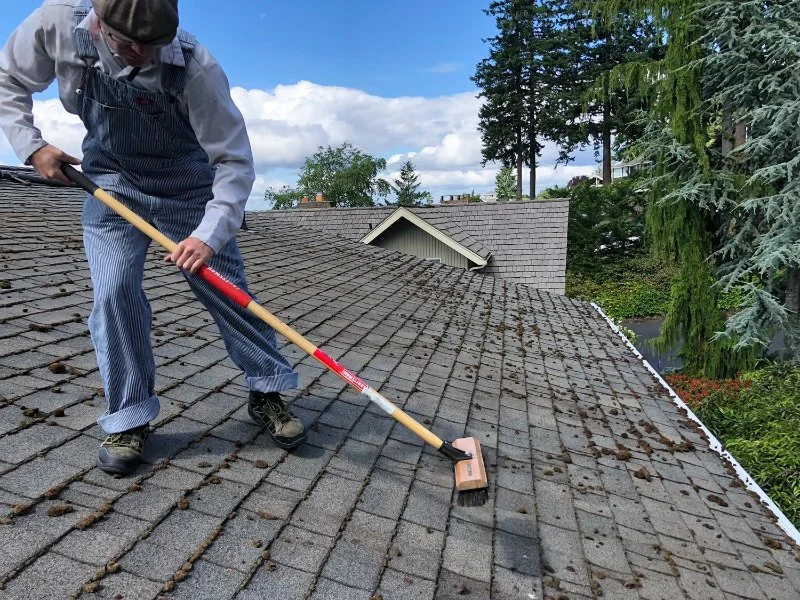
In urban areas, roofs are frequently exposed to higher levels of pollution. Car exhaust, industrial fumes, and particulate matter from construction sites can accumulate on the roof’s surface. This can result in premature aging of roofing materials, clogged drainage systems, and increased likelihood of algae and moss growth. Urban roofs are also more likely to collect debris like leaves, trash, and dirt, which can obstruct drains and gutters, leading to water damage.
1.2 Extreme Weather Conditions
Cities often experience extreme weather conditions such as heavy rain, strong winds, and temperature fluctuations. Roofs in urban areas are more exposed to the elements due to tall buildings and wind patterns, which can amplify the force of storms and rain. This makes roofs more susceptible to leaks, wind damage, and faster deterioration, requiring more frequent checks and maintenance.
1.3 Limited Access and Safety Concerns
Unlike suburban homes where roof access is often straightforward, city buildings may present challenges in terms of safety and accessibility. Tall buildings, rooftop gardens, and enclosed spaces make it difficult for roof maintenance crews to perform their work efficiently. Special equipment like scaffolding, ladders, or drones may be needed, driving up maintenance costs and complicating routine inspections.
2. Unique Risks for Roofs in Cities
City roofs face several risks that make regular maintenance even more crucial. Let’s look at some of these risks in more detail:
2.1 Accumulation of Standing Water
In urban areas, flat roofs are quite common, and standing water can be a significant issue if the drainage systems are not properly maintained. After heavy rainfall, water can pool on the roof and cause leaks or even structural damage. Additionally, standing water can accelerate the growth of moss or mold, which can damage roofing materials and compromise the integrity of the roof.
2.2 Vandalism and Roof Penetrations
Urban roofs are often more accessible to the public or people in surrounding buildings. This increases the risk of vandalism, which may include broken windows, graffiti, or even physical damage to the roofing system. Unauthorized access can also lead to unnecessary penetrations in the roof, such as holes from equipment installations or other modifications, compromising the roof's waterproofing capabilities.
2.3 UV Exposure
While UV rays affect roofs everywhere, they tend to be more intense in urban environments due to the urban heat island effect, where cities absorb and retain heat more than surrounding areas. This can cause roofing materials to degrade more quickly, especially on roofs without proper protective coatings. The increased UV exposure leads to material shrinkage, cracking, and ultimately a shorter lifespan for your roof.
3. Tips for Maintaining Roofs in Urban Environments
Roof maintenance in urban environments requires diligence and regular care. Here are some helpful tips to keep your roof in excellent condition:
3.1 Schedule Regular Roof Inspections
One of the best ways to prevent major roof issues is by scheduling regular inspections. It’s recommended to inspect your roof at least twice a year—once in the spring and once in the fall—to catch any problems early. During these inspections, check for signs of damage such as cracked shingles, damaged flashing, or clogged gutters.
3.2 Clean Gutters and Drains Regularly
Gutters and downspouts play a crucial role in protecting your roof from water damage. In urban areas, debris accumulation is a common problem. Make sure to clean your gutters regularly, especially during the fall, when leaves and branches tend to build up. Clogged gutters can lead to water buildup, which can cause leaks and other roofing issues.
3.3 Apply Protective Coatings
Consider applying protective coatings or sealants to your roof to prevent damage from UV rays, pollution, and weather conditions. Reflective coatings, in particular, can help reduce the amount of heat absorbed by the roof, thus reducing wear and tear and improving energy efficiency by lowering cooling costs during the summer.
4. The Importance of Regular Roof Inspections
In urban environments, it’s essential to perform routine roof inspections to identify potential problems before they become costly repairs. Even if there are no obvious signs of damage, regular inspections can spot early signs of wear, such as cracked tiles, rust spots, or deteriorating flashing. By staying on top of roof maintenance, you can extend the lifespan of your roof, prevent water damage, and save money on emergency repairs in the future.
5. Choosing the Right Roofing Materials for City Buildings
Choosing the right roofing material is a critical decision, especially for urban buildings. The materials you select will affect both the durability and maintenance requirements of your roof. Here are some roofing materials to consider for city buildings:
5.1 Metal Roofing
Metal roofing is a great choice for urban environments due to its durability and resistance to extreme weather conditions. It’s resistant to UV rays, does not absorb heat as much as other materials, and requires minimal maintenance. While it may have a higher upfront cost, metal roofs are long-lasting and can withstand the harsh conditions found in cities.
5.2 Modified Bitumen
Modified bitumen roofs are commonly used for flat roofs in urban buildings. They offer excellent water resistance and can be easily repaired when necessary. This material is a cost-effective option that provides reliable protection against rain, snow, and other environmental factors.
5.3 Green Roofs
Green roofs, or living roofs, are becoming increasingly popular in urban areas due to their environmental benefits. They provide insulation, reduce heat absorption, and can even help mitigate stormwater runoff. While green roofs require more maintenance and installation costs, they offer long-term sustainability for urban buildings and contribute positively to the environment.
If you're looking for roofing materials, tools, or professional services, visit Total Roofing Hub for the best selection and expert advice tailored to your needs in urban environments.

 AllinOne Roofing Contractors0.0 (0 reviews)
 Armor Roofing and Renovations, LLC5.0 (81 reviews)
 Top Notch Remodeling5.0 (2 reviews)
 Roofing Alliance Inc5.0 (2 reviews)
 Van Nuys Dependable Roofing4.0 (52 reviews)
 Classic Home Improvements4.0 (42 reviews)
 How to Spot Hail Damage on Your Roof: Essential Guide for Homeowners
 How to Maintain Siding in Wet or Flood-Prone Areas
 Should I Repair or Replace My Roof? Expert Advice on Roof Maintenance
 Siding Boards That Hide Imperfections & Warping: Best Choices for a Clean Finish
 The Best Roofing Materials for Cold Climates
 How to Budget for a Roof Replacement Project: A Homeowner's Guide