- The Importance of Roofing in Cold Climates
- Best Roofing Materials for Cold Weather
- Metal Roofing for Cold Climates Asphalt Shingles for Winter
- Wood Shingles and Shakes in Cold Climates
- Flat Roofs in Snowy Areas
- How to Choose Roofing Materials for Cold Climates
The Importance of Roofing in Cold Climates
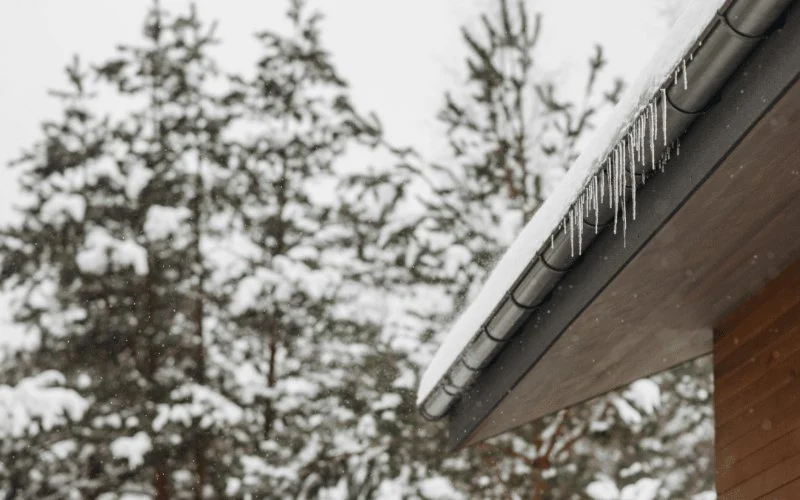
In cold climates, your roof is one of the most crucial components of your home’s defense against the harsh winter weather. A strong, well-constructed roof keeps your home safe from snow, ice, and freezing temperatures while providing insulation and energy efficiency. With fluctuating temperatures and heavy snowfall, your roof must be built to withstand the unique challenges of winter weather.
Choosing the right roofing material for cold climates is essential not only for protecting your home but also for minimizing maintenance costs over the years. Certain materials perform better than others when it comes to managing snow, ice, and the freezing and thawing cycles typical of winter weather. Let’s dive into the best roofing materials for cold climates.
Ace Handyman Services Atlanta Intown East
1954 Airport Rd #260, Chamblee, GA 30341, USA
Best Roofing Materials for Cold Weather
When selecting roofing materials for cold climates, it’s essential to consider durability, heat retention, and the ability to shed snow. Here are some top roofing options that perform well in snowy and icy conditions:
Roofing and More, LLC
Jurupa ValleyRiverside CountyCalifornia
10935 Limonite Ave, Jurupa Valley, CA 91752, USA
1. Metal Roofing
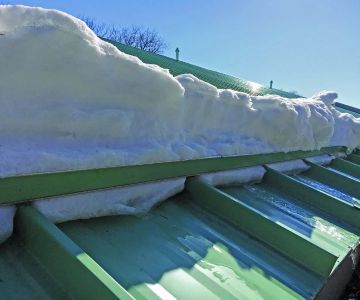
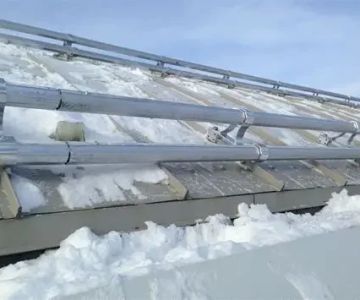
Metal roofing is one of the best choices for homes in cold climates. It is highly durable, long-lasting, and can withstand heavy snow loads. Metal roofs are known for their excellent performance in extreme weather conditions, including snowstorms and ice buildup.
One of the key benefits of metal roofing is its ability to shed snow easily. The smooth surface and steep slope of metal roofs allow snow to slide off more quickly, reducing the risk of ice dams forming in the eaves. This is particularly important in cold climates where ice dams can cause water to back up under shingles, leading to leaks and other damage.
2. Asphalt Shingles
Asphalt shingles are another popular roofing material for cold climates. They are cost-effective, easy to install, and provide good protection against snow and ice. Modern asphalt shingles are designed with features that enhance their performance in colder climates, such as special granules that prevent ice damming and help the roof shed snow more efficiently.
However, it's important to select high-quality asphalt shingles for better performance in cold weather. Some asphalt shingles come with enhanced features such as a thicker layer of granules and improved adhesive backing, which can provide extra protection against ice and wind damage during harsh winters.
3. Wood Shingles and Shakes
Wood shingles and shakes are a classic roofing material, and while they may not be the first choice for every cold climate, they can be an effective option for certain regions. They are natural insulators, providing an extra layer of thermal protection that can help keep your home warm during winter months.
However, wood roofing materials require more maintenance and care in colder climates. Over time, wood can be prone to cracking or warping due to the freeze-thaw cycle. Additionally, wood shingles and shakes must be properly treated to prevent water damage, which is especially important in areas with heavy snow and ice.
Flat Roofs in Snowy Areas
Flat roofs can present a challenge in cold climates due to their inability to shed snow and water effectively. Without a proper slope, snow and ice can accumulate on flat roofs, potentially leading to structural damage. However, if you have a flat roof, there are ways to address this issue.
Installing a flat roof with a slight slope or choosing roofing materials that are specifically designed for flat roofs can help. Modified bitumen and rubber roofing materials are good choices for flat roofs in cold climates as they provide superior waterproofing and are more flexible in freezing temperatures.
How to Choose Roofing Materials for Cold Climates
Choosing the right roofing materials for cold climates involves evaluating several factors, including the durability of the material, how well it sheds snow, and its insulating properties. Here are a few tips to help you select the best roofing material for your home:
1. Consider the Roof Slope
The slope of your roof plays a significant role in snow and ice management. Steeper slopes allow snow to slide off more easily, reducing the chances of ice dams and roof damage. If you live in an area with heavy snow, you may want to opt for roofing materials that perform well on steeper roofs, such as metal roofing.
2. Prioritize Insulation
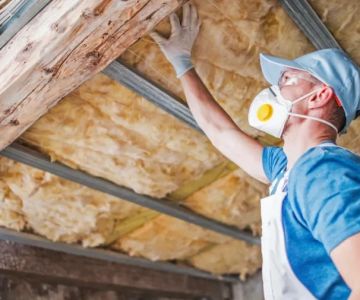
In cold climates, roof insulation is just as important as the roofing material itself. Proper insulation helps to maintain a consistent indoor temperature and reduces heating costs. When choosing roofing materials, look for options that offer excellent thermal performance, such as metal roofs with foam backing or asphalt shingles with enhanced insulation features.
3. Evaluate Durability and Maintenance Requirements
Durability is essential when selecting roofing materials for cold climates. Materials that can withstand snow, ice, and the freeze-thaw cycle will reduce maintenance costs and extend the lifespan of your roof. Opt for materials like metal or high-quality asphalt shingles that are specifically designed to endure harsh winter weather.
4. Consider Snow Load Capacity
If you live in an area that experiences heavy snowfall, it’s crucial to select roofing materials that can support the weight of the snow. Metal roofing and asphalt shingles with sturdy underlayment are excellent options that can handle the load of snow without risking structural damage to your home.
For more expert advice and recommendations on roofing materials for cold climates, visit Total Roofing Hub. Our platform offers valuable resources and connects you with trusted professionals who can help you choose the right materials for your home.
 Skyline Designs Roofing5.0 (99 reviews)
 Perfect Roofing Installations4.0 (60 reviews)
 Dog Tags Construction LLC4.0 (16 reviews)
 Gutter Shutter of Central Maryland5.0 (9 reviews)
 Sam Cline Handyman Services4.0 (37 reviews)
 Paramount Builders Inc.4.0 (302 reviews)
 Should I Repair or Replace My Roof?
 Top 10 Signs Your Roof Needs Immediate Repair Before It’s Too Late
 The Pros and Cons of Vinyl Siding: Is It the Right Choice for Your Home?
 How to Choose a Reliable Roofing Contractor Near You – Expert Tips
 Top 10 Signs Your Roof Needs Immediate Repair You Shouldn’t Ignore
 How to Spot Hail Damage on Your Roof | Quick Guide for Homeowners