The Best Roofing Materials for Cold Climates
- 1 - Factors to Consider When Choosing Roofing for Cold Climates
- 2 - Top Roofing Materials for Cold Climates
- 3 - Tips for Maintaining Roofs in Cold Climates
- 4 - Common Roofing Mistakes in Cold Climates
Cold climates can take a toll on your roof, making it crucial to choose roofing materials that are durable and well-suited to harsh weather conditions. If you live in an area with extreme winters, heavy snow, and ice, understanding the best roofing materials for cold climates is key to ensuring the longevity and performance of your roof. In this article, we’ll explore the factors to consider when choosing a roof for colder regions, and which materials are ideal for those conditions.
Builders FirstSource
SpartanburgSpartanburg CountySouth Carolina
259 Access Rd, Spartanburg, SC 29303, USA
1 - Factors to Consider When Choosing Roofing for Cold Climates
When selecting roofing materials for cold climates, there are several factors that should be taken into account:
- Insulation: The material should provide proper insulation to keep warmth in and prevent heat loss, which is crucial for energy efficiency during winter months.
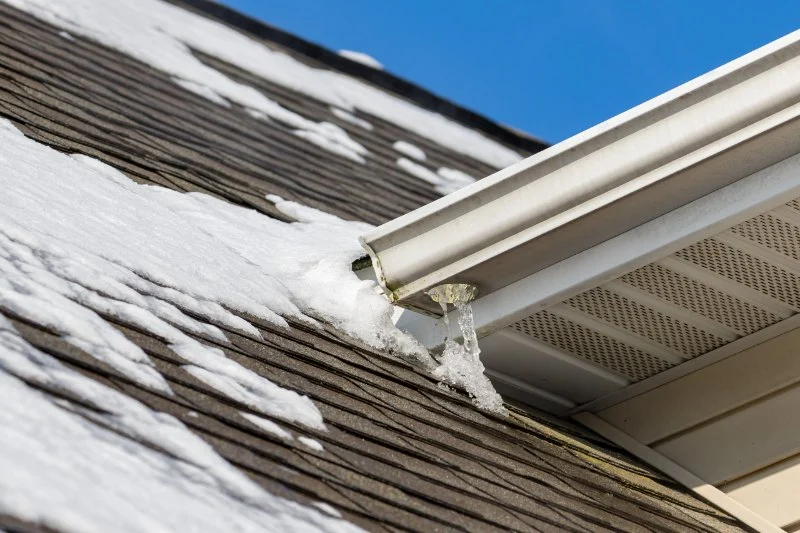
- Snow and Ice Resistance: The roof needs to withstand heavy snowfall and ice buildup. Look for materials that are designed to shed snow easily and resist ice dams.
- Durability: Roof materials should be durable enough to handle the freezing and thawing cycles common in cold climates, which can cause damage over time.
- Wind Resistance: High winds, especially during winter storms, can be harsh on roofs. Strong wind-resistant materials will help prevent damage from wind-driven snow and ice.
2 - Top Roofing Materials for Cold Climates
Here are some of the best roofing materials that stand up well to cold climates:
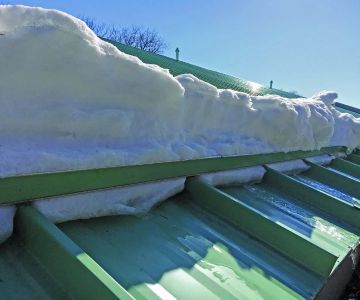
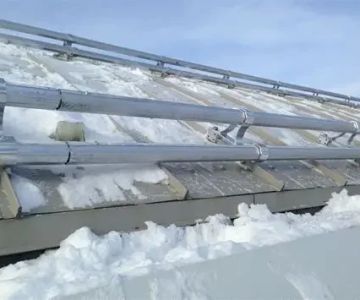
- Metal Roofing: Metal roofs are an excellent option for cold climates due to their ability to shed snow easily and their high resistance to wind and ice. They are durable and long-lasting, making them ideal for homes in areas prone to heavy snowfall.
- Asphalt Shingles: Asphalt shingles are a popular and cost-effective option. Higher quality, laminated shingles can provide good protection against the cold. They are versatile and come in a range of styles that complement various architectural designs.
- Slate Roofing: Slate is a premium roofing material that’s known for its exceptional durability and resistance to extreme temperatures. It’s highly resistant to snow, ice, and moisture, making it a great choice for cold climates.
- Clay or Concrete Tiles: These materials are resistant to extreme cold and heavy snow. They can withstand freezing temperatures without cracking and offer a long lifespan, although they can be heavy and require a strong roof structure.
- Wood Shingles or Shakes: While not the most common choice in extremely cold areas, wood shingles or shakes can work well in milder cold climates. They have natural insulation properties, but they require regular maintenance to prevent issues with moisture absorption in colder conditions.
3 - Tips for Maintaining Roofs in Cold Climates
Proper roof maintenance is key to ensuring the longevity of your roof in cold climates. Here are some helpful tips:
- Clear Snow Regularly: Excess snow on your roof can lead to ice dams and water damage. Use a roof rake to remove snow safely and prevent damage.
- Prevent Ice Dams: Install ice and water shields to prevent ice dams from forming at the eaves of your roof. Ice dams can lead to leaks and costly damage to your roof and home.
- Inspect Roof Vents: Proper attic ventilation is crucial in cold climates. It helps prevent condensation and ensures that warm air is not trapped in the attic, which could cause moisture problems and ice dams.
- Regular Roof Inspections: Have your roof inspected regularly by a professional to catch any potential issues before they worsen. Early detection of problems such as damaged shingles, leaks, or ice damming can save you money in the long run.
4 - Common Roofing Mistakes in Cold Climates
Homeowners in cold climates should avoid some common roofing mistakes that can lead to costly repairs or replacements:
- Skipping Regular Maintenance: Ignoring roof inspections and maintenance is a common mistake. In cold climates, regular upkeep is essential to ensure that your roof is performing optimally during the winter months.
- Improper Ventilation: Not having enough attic ventilation can cause a buildup of heat and moisture, leading to problems like ice dams. Proper airflow is necessary to maintain a healthy roof.
- Choosing the Wrong Materials: Not all roofing materials are suited for cold climates. Be sure to choose materials that are specifically designed to handle snow, ice, and freezing temperatures.
- DIY Repairs: While DIY projects are popular, roofing repairs in cold climates are best left to professionals. Poor repairs can worsen the situation and lead to costly damage later.
Choosing the right roofing materials and maintaining your roof properly are essential steps in ensuring the longevity and performance of your roof in cold climates. If you're looking for professional roofing services, products, or guidance, visit Total Roofing Hub to find the best roofing solutions for your home.
 Marc Joseph remodeling5.0 (1 reviews)
 PRS Roofing Inc5.0 (9 reviews)
 KAPS CONSTRUCTION4.0 (5 reviews)
 Marshall Exteriors, LLC4.0 (213 reviews)
 S.W.A.T. Roofing & Consulting4.0 (46 reviews)
 MATFI RENOVATIONS LLC5.0 (23 reviews)
 Siding Material Fire Ratings: What’s Required & What to Choose
 Roof Talk: Common Terminology Every Homeowner Should Know
 How Often Should You Replace Your Home's Siding? Expert Tips on Siding Longevity
 The Average Lifespan of Asphalt Shingle Roofs: How Long Do They Last?
 How to Choose a Reliable Roofing Contractor Near You | Top Tips and Questions
 Should I Repair or Replace My Roof? – Expert Guide for U.S. Homeowners