1. Understanding Snow Load and Its Impact on Roofs
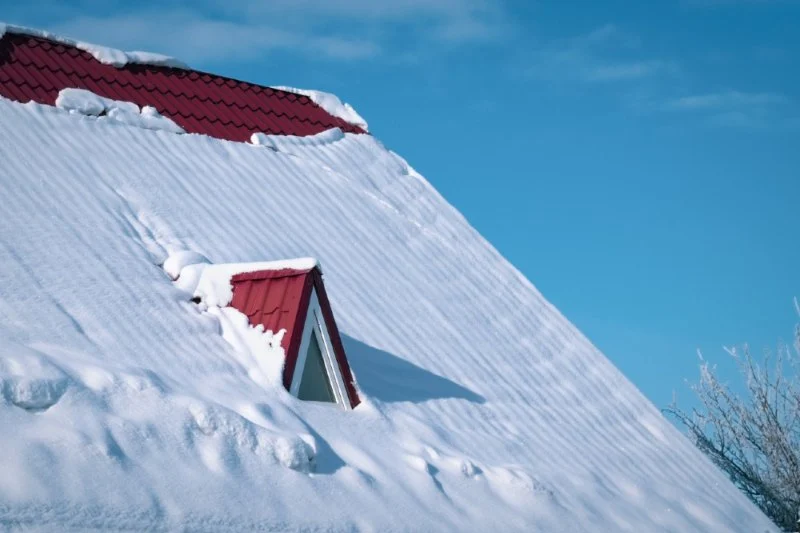
When selecting a roof material for areas prone to heavy snow, one of the most crucial factors to consider is the snow load. Snow load refers to the amount of weight that snow and ice place on a roof. Understanding how snow load affects the structural integrity of your roof is essential for ensuring the safety and durability of your home. In this article, we will explore how to choose the right roof material based on snow load and how it influences roof design and performance.

CMW Roofing, Siding, & Gutters
North HavenSouth Central Connecticut Planning RegionConnecticut
41 McDermott Rd, North Haven, CT 06473, USA
2. Factors Affecting Snow Load
Before diving into roof material options, it’s important to understand the factors that affect snow load. Snow load isn’t just about how much snow accumulates; it also depends on several environmental and design factors:

Preferred Customer Home Improvement
2715 Lenox-New Lyme Rd, Jefferson, OH 44047, USA
2.1 Snow Depth and Density
The depth and density of snow play a major role in determining the load placed on a roof. A heavy, wet snow will exert more pressure than light, fluffy snow, and a deeper snowpack increases the overall weight. Local weather conditions will influence how much snow your roof needs to handle, so it’s essential to know your area’s typical snow patterns.
2.2 Roof Slope and Shape
The slope and shape of your roof also affect snow load. A steeper roof allows snow to slide off more easily, reducing the amount of snow accumulation. Conversely, a flat roof retains snow for longer periods, increasing the load. Understanding the slope of your roof will help you select materials that can handle the weight more effectively.
2.3 Temperature and Melting Patterns
Temperature fluctuations can also contribute to snow load. When snow melts during the day and refreezes at night, it can create ice dams, which add additional weight to the roof. It’s essential to take into account how temperature variations in your region may affect snow accumulation and ice formation.
3. How to Choose the Right Roof Material Based on Snow Load
Choosing the appropriate roofing material for snow-heavy areas is critical for ensuring your roof can withstand the pressure of accumulated snow. Several materials are better suited for managing snow loads due to their structural characteristics and durability. Here’s a look at some of the best options:
3.1 Metal Roofs
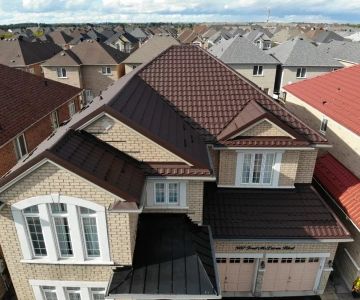
Metal roofs are a popular choice in areas with heavy snowfall. Their smooth, sloped surface allows snow to slide off easily, reducing the load on the roof. Metal is also durable and resistant to ice dams, making it ideal for regions with fluctuating temperatures. Furthermore, metal roofs are lightweight compared to other materials, which is an advantage when managing heavy snow loads. Many homeowners in snowy regions opt for metal roofing due to its combination of durability and functionality.
3.2 Slate Tiles
Slate tiles are incredibly durable and can withstand significant weight, making them a great option for areas with heavy snow. While slate is heavier than metal, its strength makes it suitable for supporting heavy snow loads. Additionally, slate roofs are highly resistant to freezing temperatures and ice accumulation. The natural texture and durability of slate tiles help maintain the roof's integrity during extreme weather conditions.
3.3 Asphalt Shingles
Asphalt shingles are a cost-effective roofing option, but their performance under heavy snow load depends on the installation quality and the roof's slope. While asphalt shingles are generally sufficient for moderate snow loads, they are not as resilient as metal or slate in extreme conditions. However, if you live in an area with moderate snowfall, asphalt shingles can be a good option when paired with a steep roof pitch to facilitate snow shedding.
3.4 Wood Shingles or Shakes
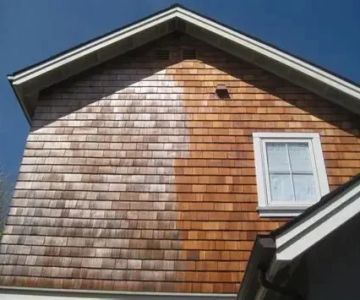
Wood shingles and shakes are less common for areas with heavy snow, but they can be effective in regions with moderate snowfall. While wood provides a natural and aesthetically pleasing option, it is not as durable as metal or slate under heavy snow load. Wood is also prone to moisture damage, which can weaken the roof over time, especially if snow or ice accumulates. Proper maintenance and sealing are essential to maximize the lifespan of wood shingles or shakes in snow-heavy regions.
4. Real-Life Case Study: Choosing the Right Roof Material for Snow Load
Take the case of a family living in the mountainous region of Colorado. With heavy snowfall each winter, they needed a roofing material that could handle the snow load while also providing long-term durability. After consulting with a roofing professional, they opted for a metal roof due to its ability to shed snow easily, its resistance to ice dams, and its relatively low weight compared to other materials. Over the years, the family found that the metal roof performed excellently in harsh winter conditions, and they experienced fewer snow-related issues compared to their neighbors with traditional shingles.
This case highlights the importance of choosing the right material for your specific snow load needs. For areas with significant snowfall, metal and slate roofs are highly recommended, while lighter materials like asphalt shingles may be more suitable for regions with moderate snow loads.
5. Consulting with Roofing Professionals
Choosing the best roofing material for snow load involves more than just understanding the materials available. Consulting with a roofing professional is crucial for accurately assessing your roof’s structure, local snow conditions, and the most appropriate materials. A professional can also provide guidance on proper installation techniques and ensure your roof is built to handle the weight of snow safely.
For more information on selecting the best roofing material for your needs or to consult with an expert, visit Total Roofing Hub for expert advice and product recommendations.
 Patriot Construction and Consulting Services LLC, Chandler, AZ4.0 (14 reviews)
 Luxury Home Contractors5.0 (21 reviews)
 Kish Enclosures Inc.5.0 (24 reviews)
 Storm King Roofing Corp5.0 (21 reviews)
 J.C. Tonnotti Window Company4.0 (276 reviews)
 Paragon Roofing Inc5.0 (41 reviews)
 How to Choose a Reliable Roofing Contractor Near You | Expert Tips
 How Often Should You Replace Your Home's Siding? Expert Tips on Siding Longevity
 What Local Building Codes Say About Roof Replacement
 How to Decide Whether to Repair or Replace Your Roof | Total Roofing Hub
 Top Questions to Ask a Roofing Contractor Before Hiring
 Siding Material Fire Ratings: What’s Required & What to Choose