Total Roofing Hub
Total Roofing HubRoofing And Siding BlogsRoofing Near MeSiding Repair Near Me
AlabamaArizonaCaliforniaColoradoConnecticutDelawareDistrict of ColumbiaFloridaGeorgiaLouisianaMaineMarylandMassachusettsNew HampshireNew JerseyNew YorkNorth CarolinaOhioPennsylvaniaRhode IslandSouth CarolinaTennesseeTexasVermontVirginiaWest Virginia

Total Roofing HubRoofing And Siding Blogs

Roof Re-Roofs or Layovers: Pros, Cons & Codes Explained

Roof Re-Roofs or Layovers: Pros, Cons & Codes ExplainedRoof Re-Roofs or Layovers: Pros, Cons & Codes ExplainedRoof re-roofing, layovers, roofing pros and cons, re-roofing vs layovers, roofing codes, roof replacement, roofing options, roofing tipsExplore the pros, cons, and codes of roof re-roofs and layovers. Learn about the differences between these roofing options, how they impact your home, and which one is best for you.

What Are Roof Re-Roofs and Layovers?

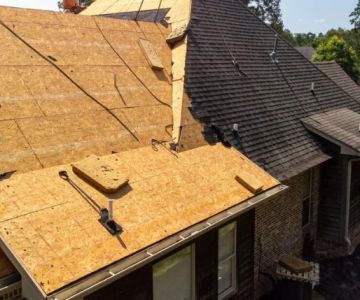
When it comes to roof replacement, homeowners have several options. Two of the most common approaches are roof re-roofs and roof layovers. But what exactly are these terms, and how do they differ?Roof Re-Roofing: A re-roof involves completely removing the existing roofing material and installing a new layer of roofing. This process typically includes stripping off the old shingles, inspecting the deck beneath, and replacing it with new shingles or another type of roofing material.Roof Layovers: A layover, on the other hand, refers to installing a new layer of shingles over the existing roofing material. This option is generally quicker and more affordable than a full re-roof, but it comes with some limitations and potential drawbacks.

Pros of Roof Re-Roofs

Choosing a roof re-roof offers several advantages that make it a popular choice for homeowners who need a new roof:Complete Roof Replacement:A re-roof involves removing old, damaged roofing materials, which means you can address any underlying issues with the roof deck or structure. This provides a fresh start and the opportunity to improve the overall roof’s longevity and durability.Increased Home Value:A full roof replacement generally adds more value to your home compared to a layover. Since a re-roof provides a new roof structure, it offers improved aesthetic appeal and reliability, which can make your home more attractive to potential buyers.Better Quality Materials:With a full re-roof, you can select the best materials for your needs. Whether you opt for asphalt shingles, metal roofing, or another material, you have the flexibility to choose a roof that matches your home’s aesthetic and climate requirements.Long-Term Durability:A re-roof typically lasts longer than a layover because it addresses all the layers of your roof. With a clean slate, the new roofing materials have fewer restrictions, which means they tend to have a longer lifespan.

Cons of Roof Re-Roofs

While a roof re-roof offers numerous benefits, it also has some downsides that homeowners should consider:Higher Cost:One of the main drawbacks of a full re-roof is the cost. Removing the old roofing material and disposing of it adds extra expenses, making it a more expensive option compared to a layover.Longer Installation Time:Re-roofing a home is a more involved process than a layover, which means it can take longer to complete. Depending on the size and complexity of the roof, this could result in additional inconvenience for homeowners.Potential for More Damage:In some cases, the underlying roof deck may be damaged or require repairs. If this is the case, additional work will be necessary, which can add to the overall cost and timeline of the project.

Pros of Roof Layovers

While roof layovers may not offer all the benefits of a full re-roof, they do have their own advantages that make them an appealing option for some homeowners:Lower Initial Cost:A roof layover is typically more affordable than a full re-roof since it requires less labor and no removal of the old shingles. This can make it a cost-effective option if your existing roof is still in relatively good condition.Faster Installation:Layovers take less time to install since the existing roofing is left intact. This means less disruption to your daily routine, and you can enjoy your new roof sooner.Minimal Environmental Impact:Since a layover doesn’t require removing the old roofing materials, there is less waste to dispose of. This can be an eco-friendly option if you want to reduce the environmental impact of your roofing project.

Cons of Roof Layovers

Although roof layovers have several advantages, there are also some significant downsides to consider:Limited Lifespan:A layover doesn’t address any underlying problems with the roof deck or structure. If there is damage beneath the existing shingles, it will not be corrected with a layover, which can lead to a shorter lifespan for your new roof.Increased Weight:Adding an additional layer of shingles to your roof increases the overall weight, which could put additional strain on your home’s structure. This may not be a concern for most homes, but it’s important to ensure that your roof can handle the extra load.Limited to Two Layers:Building codes typically limit the number of roofing layers you can have on your home. If you already have two layers of roofing, a layover may not be an option, and you will need to opt for a full re-roof.

Roofing Codes for Re-Roofs and Layovers

Before deciding between a re-roof and a layover, it’s essential to understand the local building codes in your area. Many municipalities have specific regulations governing roofing projects, such as:Layer Limits: In most areas, you’re only allowed to have two layers of roofing materials. If your home already has two layers of shingles, you’ll need to remove one layer before installing a new one.Roof Deck Inspection: Some building codes require an inspection of the roof deck when doing a re-roof to ensure that it’s in good condition. This is especially important if there is damage or rot beneath the shingles.Permit Requirements: Depending on your location, you may need to obtain a permit for either a re-roof or layover project. Always check with your local building department before beginning any roofing work to ensure compliance with codes and regulations.

Real-Life Examples of Roof Re-Roofs vs. Layovers

Sarah, a homeowner in California, was faced with a leaking roof and had to decide between a re-roof and a layover. After consulting with a roofing contractor, she chose a re-roof because the decking underneath was showing signs of damage. The new roof not only fixed the leaks but also provided long-term durability, giving her peace of mind for the next 20 years.On the other hand, Mark, who owns a rental property in a less harsh climate, opted for a roof layover. His existing roof was still in good condition, and he didn’t have the budget for a full re-roof. The layover saved him money, and the roof lasted for several years before he needed to replace it.

Final Thoughts

When it comes to roof replacements, both re-roofs and layovers offer unique advantages and challenges. A re-roof provides a long-term solution with greater durability, but it comes at a higher cost and requires more time. A layover can be a cost-effective and quicker option, but it may not address underlying issues that could shorten the lifespan of your roof. Ultimately, the decision should be based on the condition of your current roof, your budget, and your long-term goals.For expert guidance on roofing options, including re-roofs and layovers, visit Total Roofing Hub for the best products and services for your home.

Popular Blog Posts

Categories

Top Visited Sites

Trending Roofing And Siding Blogs Posts