The Best Roofing Materials for Cold Climates
- 1 - Why Cold Climates Affect Roofing Materials
- 2 - Key Factors to Consider for Cold-Climate Roofs
- 3 - Top Roofing Materials for Cold Climates
- 4 - Benefits of Proper Roofing Materials in Cold Weather
- 5 - How to Choose the Best Roofing Material for Your Home
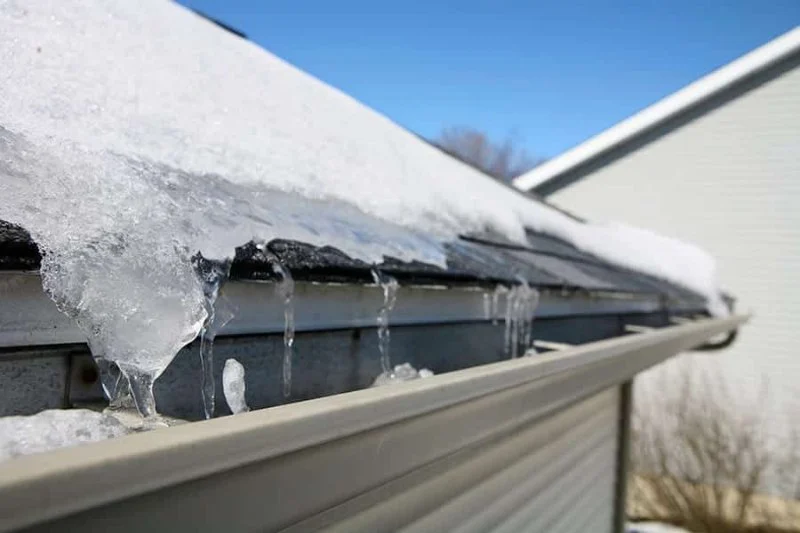
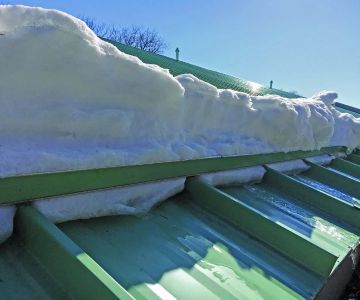
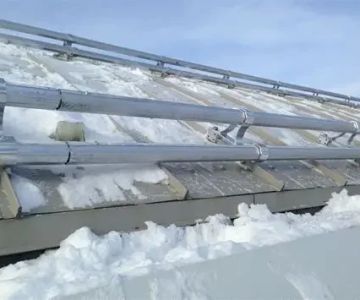
Cold climates present unique challenges for roofing materials. The cold temperatures, snow, ice, and freezing rain can cause damage to your roof if the wrong materials are used. These conditions require roofing materials that can withstand the extreme temperatures and moisture that are common in colder regions. Proper roofing materials are essential to prevent damage from ice dams, moisture buildup, and rapid temperature fluctuations, which can all negatively impact your roof’s longevity and performance. When selecting roofing materials for cold climates, several factors should be considered: Good insulation is essential for roofs in cold climates. Proper insulation can prevent heat loss from your home, keeping it warmer in winter and reducing heating costs. Additionally, it helps prevent ice dams, which form when warm air escapes through the attic and melts snow on the roof. In cold climates, roofs are subjected to a lot of moisture from snow and rain. It’s essential to choose materials that are resistant to water damage, mold, and mildew, which can weaken the structure of your roof. The roofing material should also allow for the easy shedding of snow and ice to prevent the buildup of weight on the roof. Ice dams, caused by melting snow refreezing at the eaves, can cause significant damage to the roof and attic. Here are the best roofing materials to consider when building or replacing a roof in a cold climate: Metal roofs are one of the best choices for cold climates due to their durability, ability to shed snow and ice easily, and resistance to freezing temperatures. Metal roofing is also energy-efficient and can help lower heating costs by reflecting heat away during the summer months. Asphalt shingles are another great option for cold climates. They are affordable, easy to install, and provide good insulation. Certain types of asphalt shingles are designed to be more durable in freezing conditions and can resist ice dams and leaks. Slate is a high-end roofing material that is extremely durable and can withstand the harsh conditions of cold climates. It is resistant to moisture, can shed snow easily, and provides long-lasting protection. However, it’s heavier than other materials, so it’s essential to ensure that your structure can support it. Wood shingles and shakes can be used in cold climates, but they need to be treated to prevent rot. These materials provide excellent insulation and a unique, rustic appearance. However, they are not as effective at shedding snow and ice as metal or asphalt roofing. Synthetic materials, such as rubber or plastic roofing, can offer high durability and are excellent at insulating against cold temperatures. They can mimic the look of slate or wood but at a lower cost. Synthetic roofing materials are also resistant to moisture, which is important in cold climates. Choosing the right roofing materials for cold weather offers several benefits: Cold climates demand roofing materials that contribute to better energy efficiency. Proper insulation and heat-reflective properties can help keep your home warmer in the winter, reducing your heating bills and maintaining a comfortable indoor environment. Ice dams form when heat escapes from the attic and causes snow to melt. The water then refreezes at the edge of the roof, causing ice buildup that can damage the shingles and structure. Choosing materials that are resistant to ice dam formation, like metal, can help prevent this issue. Cold weather can cause roofs to deteriorate quickly if the wrong materials are used. Durable materials like metal, slate, or high-quality asphalt shingles offer long-lasting protection, ensuring your roof withstands the test of time, even in the harshest weather conditions. When selecting roofing materials, it’s important to consider your budget, the longevity of the material, and its ability to handle the specific weather conditions in your area. Here's a quick guide on how to make the right choice: If you live in an area that experiences heavy snowfall and freezing temperatures, materials like metal or slate may be your best options. For areas with less severe winters, asphalt shingles may provide sufficient protection. The design of your home and the type of roof you have will impact the choice of roofing material. A steeply pitched roof, for instance, is ideal for metal roofing as it helps snow slide off easily, while a flat roof might benefit more from a material that offers superior insulation. Some materials, like slate and metal, are more expensive upfront but offer better long-term durability. If you're on a budget, asphalt shingles or synthetic roofing materials may offer a good balance between cost and performance. For expert advice on choosing the best roofing materials for your cold-climate home, consider visiting Total Roofing Hub for the most suitable products and services available in your area.1 - Why Cold Climates Affect Roofing Materials
2 - Key Factors to Consider for Cold-Climate Roofs

1. Insulation and Energy Efficiency
2. Durability and Resistance to Moisture
3. Ability to Shed Snow and Ice
3 - Top Roofing Materials for Cold Climates
1. Metal Roofing
2. Asphalt Shingles
3. Slate Roofing
4. Wood Shingles and Shakes
5. Synthetic Roofing Materials
4 - Benefits of Proper Roofing Materials in Cold Weather
1. Energy Efficiency
2. Prevention of Ice Dams
3. Longevity
5 - How to Choose the Best Roofing Material for Your Home
1. Assess the Severity of Your Climate
2. Consider Your Home’s Design
3. Evaluate Your Budget
 Skyline Designs Roofing5.0 (99 reviews)
 Perfect Roofing Installations4.0 (60 reviews)
 Dog Tags Construction LLC4.0 (16 reviews)
 Gutter Shutter of Central Maryland5.0 (9 reviews)
 Sam Cline Handyman Services4.0 (37 reviews)
 Paramount Builders Inc.4.0 (302 reviews)
 Should I Repair or Replace My Roof?
 Top 10 Signs Your Roof Needs Immediate Repair Before It’s Too Late
 The Pros and Cons of Vinyl Siding: Is It the Right Choice for Your Home?
 How to Choose a Reliable Roofing Contractor Near You – Expert Tips
 Top 10 Signs Your Roof Needs Immediate Repair You Shouldn’t Ignore
 How to Spot Hail Damage on Your Roof | Quick Guide for Homeowners