
 <<<
<<<- 1- Understanding Hail Damage and Its Impact on Your Roof
- 2- How to Identify Hail Damage on Your Roof
- 3- Steps to Inspect Your Roof for Hail Damage
- 4- Common Signs of Hail Damage to Look Out For
- 5- When to Call a Professional for Hail Damage Inspection and Repair
1- Understanding Hail Damage and Its Impact on Your Roof
Hailstorms are common in many parts of the United States, and they can cause significant damage to roofs. Hailstones can vary in size, but even small hail can cause serious problems to your roof over time. Understanding the impact of hail on your roof is crucial for homeowners to ensure that repairs are made before the damage worsens.
Hail damage occurs when hailstones strike the roof at high speeds, causing dents, cracks, and punctures. The severity of the damage depends on several factors, such as the size of the hailstones, the wind speed, and the material of your roof. While some hail damage is obvious, other types may be more subtle and require careful inspection. This article will guide you through how to spot hail damage and how to protect your roof from future storms.
Gutters Plus Roofing and Siding
ChattanoogaHamilton CountyTennessee
7319 Noah Reid Rd, Chattanooga, TN 37421, USA
2- How to Identify Hail Damage on Your Roof
Identifying hail damage on your roof is essential to prevent long-term damage and expensive repairs. The key to spotting hail damage is knowing what to look for and understanding the potential consequences of untreated damage.
Here are some tips to help you identify hail damage:
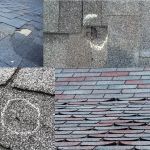
- Look for Dents and Dings: Hail can leave visible dents on roofing materials, especially on asphalt shingles, metal roofs, and wood shake. If you see indentations, this is a strong indication that your roof has been impacted by hail.
- Check for Granule Loss: Asphalt shingles may lose granules from the surface when struck by hail, which can expose the underlying layers. This could lead to leaks and more serious damage over time.
- Inspect for Cracks or Punctures: Larger hailstones can cause cracks or even punctures in roofing materials. Check for any visible cracks or holes that may be letting water into your home.
- Examine Flashing and Vents: Flashing, vents, and other vulnerable areas of your roof are often more susceptible to hail damage. Look for any dents or cracks in these components as they can lead to leaks and water damage.
By inspecting these areas, you can start identifying potential hail damage and assess the severity of the issue.

Palm Coast Handyman Painting & Home Repair
Palm CoastFlagler CountyFlorida
29 Esperanto Dr, Palm Coast, FL 32164, USA
3- Steps to Inspect Your Roof for Hail Damage
To effectively inspect your roof for hail damage, follow these steps:
- Step 1: Ensure Safety: Before inspecting your roof, ensure that you are working safely. Use a sturdy ladder and wear appropriate footwear. If you're unsure about climbing onto your roof, consider hiring a professional inspector.
- Step 2: Inspect from the Ground: Start by walking around your property and inspecting your roof from the ground. Look for any obvious signs of hail damage, such as missing shingles or granules in the gutter.
- Step 3: Use Binoculars for a Closer Look: If you can’t safely get on the roof, binoculars can help you closely inspect areas that may have been impacted by hail.
- Step 4: Climb Up (If Safe): If it’s safe, climb up on the roof and visually check for dents, granule loss, or cracks. Be sure to pay attention to areas where hail is likely to have the greatest impact, such as roof edges and corners.
- Step 5: Inspect Attic for Leaks: Go into your attic and check for any signs of water intrusion or leaks. Water stains on the ceiling or walls may indicate a problem caused by hail damage.
These steps will help you thoroughly inspect your roof and identify any hail damage that needs attention.
4- Common Signs of Hail Damage to Look Out For
When inspecting your roof for hail damage, it's important to look for specific signs that can indicate more serious issues. Here are some of the most common signs of hail damage:
- Missing or Broken Shingles: Hail can cause shingles to crack, break, or even tear off entirely. If you notice missing or damaged shingles, your roof may be vulnerable to leaks.
- Granule Accumulation in Gutters: Asphalt shingles often lose their granules when impacted by hail. If you see a buildup of granules in your gutters, it's a sign that your shingles are damaged.
- Uneven Roofing Surface: Hail damage can create a dimpled or uneven surface on your roof. If your shingles look distorted or appear to be sinking, this could be a result of hail damage.
- Damage to Flashing or Vents: Hail can cause cracks or dents in roof flashing and vents, leading to potential water leaks. Make sure to check these areas carefully for damage.
These signs can help you determine if your roof has been damaged by hail and whether repairs are needed.
5- When to Call a Professional for Hail Damage Inspection and Repair
While DIY roof inspections can help you spot potential hail damage, it's often best to call a professional when dealing with more severe damage. Here are some situations when you should seek professional help:
- If You're Uncertain About the Extent of Damage: A professional roofing contractor can provide a thorough inspection and give you an accurate assessment of the damage.
- If the Damage Is Significant: If you notice extensive damage, such as multiple missing shingles or severe granule loss, it's important to have a professional repair the roof to prevent leaks and further damage.
- If You Need to File an Insurance Claim: If your roof has significant hail damage, a professional inspection can provide the necessary documentation for your insurance claim.
Hiring a professional ensures that repairs are done correctly and helps prevent future issues with your roof.
For more expert advice on roof inspections and repairs, visit Total Roofing Hub for top-quality roofing services and products.

 Skyline Designs Roofing5.0 (99 reviews)
 Perfect Roofing Installations4.0 (60 reviews)
 Dog Tags Construction LLC4.0 (16 reviews)
 Gutter Shutter of Central Maryland5.0 (9 reviews)
 Sam Cline Handyman Services4.0 (37 reviews)
 Paramount Builders Inc.4.0 (302 reviews)
 Should I Repair or Replace My Roof?
 Top 10 Signs Your Roof Needs Immediate Repair Before It’s Too Late
 The Pros and Cons of Vinyl Siding: Is It the Right Choice for Your Home?
 How to Choose a Reliable Roofing Contractor Near You – Expert Tips
 Top 10 Signs Your Roof Needs Immediate Repair You Shouldn’t Ignore
 How to Spot Hail Damage on Your Roof | Quick Guide for Homeowners