
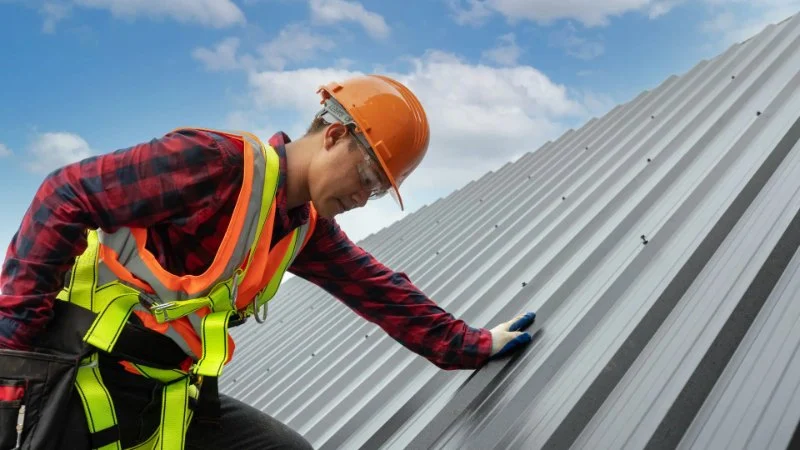
- 1. Overview: What to Expect During a Roof Inspection
- 2. Why is a Roof Inspection Important?
- 3. The Roof Inspection Process: Step-by-Step
- 4. Common Issues Found During Roof Inspections
- 5. What Happens After the Roof Inspection?
1. Overview: What to Expect During a Roof Inspection
Roof inspections are an essential part of home maintenance, helping homeowners ensure their roofs are in good condition. Whether you're preparing for a sale, buying a new home, or just performing routine maintenance, a roof inspection is crucial to identifying potential issues before they become costly problems. But what should you expect during the inspection process? In this article, we'll break down everything you need to know about roof inspections, from the purpose to the steps involved.

My Home Solutions LLC
WaterburyNaugatuck Valley Planning RegionConnecticut
20 Eagle St, Waterbury, CT 06708, USA
2. Why is a Roof Inspection Important?
A roof inspection is necessary for several reasons:
- Prevent Expensive Repairs: Catching issues early can save you a significant amount of money by addressing small repairs before they escalate.
- Maximize Roof Lifespan: Regular inspections help extend the life of your roof by keeping it well-maintained and identifying minor problems before they worsen.
- Ensure Safety: A compromised roof can lead to leaks, water damage, or even structural instability. Inspections help ensure your home stays safe and secure.
- Insurance and Real Estate: Many insurance companies require roof inspections before issuing or renewing policies, and homebuyers often request an inspection as part of the buying process.
3. The Roof Inspection Process: Step-by-Step
Understanding the roof inspection process will help you feel more comfortable when it’s time for one. Here’s a step-by-step breakdown of what happens during a typical roof inspection:
- Initial Assessment: The inspector will start by assessing the overall condition of your roof, including the type of roofing material (shingles, tiles, etc.). They will look for signs of wear, damage, or aging.
- Exterior Inspection: The inspector will examine the roof from the outside, checking for visible damage such as cracked, missing, or curled shingles, as well as signs of wear around flashings, vents, and chimneys.
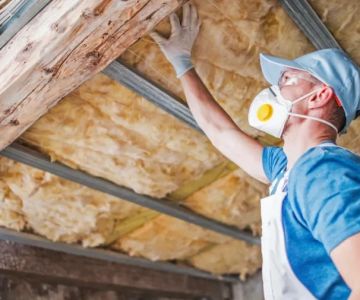
- Interior Inspection: The inspector will also look inside your attic or crawl space, checking for water stains, mold, or signs of leaking. They will inspect the insulation and ventilation systems as well.
- Detailed Report: After completing the inspection, the inspector will provide a detailed report outlining any issues they found, recommendations for repairs or maintenance, and an estimate of how much longer your roof is expected to last.
4. Common Issues Found During Roof Inspections
Roof inspections often uncover several common problems that homeowners should be aware of. Some of the most frequently found issues include:
- Missing or Damaged Shingles: Shingles that are cracked, missing, or curling can allow water to penetrate, leading to leaks.
- Leaks and Water Damage: Leaks can occur in areas around flashing, vents, or skylights. Water damage can also show up as mold or rot in the attic.
- Improper Ventilation: Poor roof ventilation can lead to trapped heat and moisture, which can cause the roof to deteriorate prematurely.
- Clogged Gutters: Blocked gutters can cause water to overflow, potentially damaging the roof and siding. Regular cleaning of gutters is important for maintaining roof health.
- Damaged Flashing: Flashing around chimneys, vents, and skylights often deteriorates over time, leading to potential leaks.
5. What Happens After the Roof Inspection?
After the inspection, you'll receive a comprehensive report detailing the condition of your roof. Based on the findings, you may be advised to take action. Here’s what typically happens next:
- Repair Recommendations: If the inspector identifies issues, they will provide a list of recommended repairs, along with estimated costs. Some minor repairs can be done immediately, while others may require scheduling a contractor.
- Maintenance Advice: The inspector may suggest general maintenance tips, such as cleaning the gutters, trimming overhanging trees, or inspecting the roof regularly to extend its lifespan.
- Next Steps: Depending on the severity of the issues found, you may want to consider replacing the roof if it’s nearing the end of its lifespan. The inspector can also help with recommendations for roofing contractors.
In conclusion, roof inspections are an essential part of homeownership, providing peace of mind and preventing costly repairs. By understanding what to expect during the process, you can make informed decisions about your roof's care and maintenance. Want to learn more about roof inspections and find trusted professionals? Visit Total Roofing Hub for expert advice and recommendations on roofing services and products.
 Marc Joseph remodeling5.0 (1 reviews)
 PRS Roofing Inc5.0 (9 reviews)
 KAPS CONSTRUCTION4.0 (5 reviews)
 Marshall Exteriors, LLC4.0 (213 reviews)
 S.W.A.T. Roofing & Consulting4.0 (46 reviews)
 MATFI RENOVATIONS LLC5.0 (23 reviews)
 Siding Material Fire Ratings: What’s Required & What to Choose
 Roof Talk: Common Terminology Every Homeowner Should Know
 How Often Should You Replace Your Home's Siding? Expert Tips on Siding Longevity
 The Average Lifespan of Asphalt Shingle Roofs: How Long Do They Last?
 How to Choose a Reliable Roofing Contractor Near You | Top Tips and Questions
 Should I Repair or Replace My Roof? – Expert Guide for U.S. Homeowners