
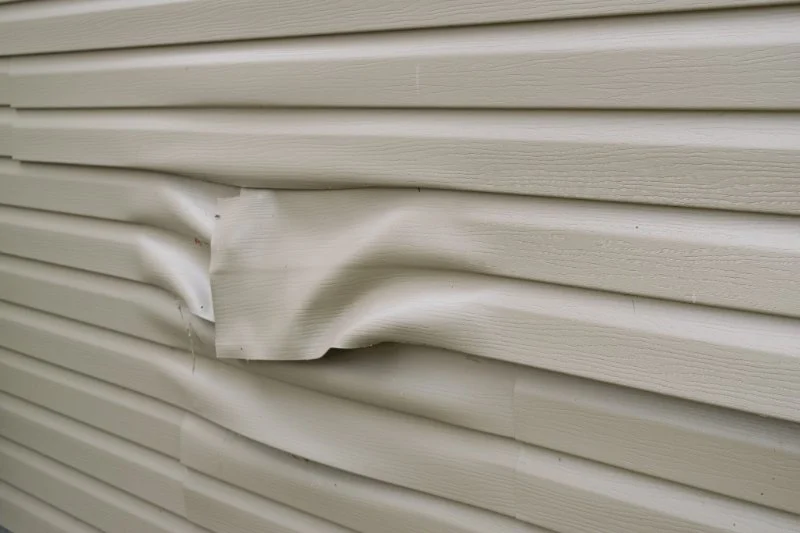
Siding Expansion & Contraction: Causes & How to Mitigate
- 1-Why It’s Important to Understand Siding Expansion and Contraction
- 2-Causes of Siding Expansion and Contraction
- 3-Which Siding Materials Are Most Affected?
- 4-Effective Ways to Mitigate Siding Expansion and Contraction
- 5-Real-Life Case: Siding Expansion Issues and Their Solution
- 6-Final Tips for Proper Siding Maintenance
Siding expansion and contraction are natural processes that occur as building materials react to temperature and humidity changes. While these movements are inevitable, understanding how they affect your siding can help you prevent costly damage and maintain the structural integrity of your home. In this article, we’ll explore the causes of siding expansion and contraction, which materials are most affected, and how to mitigate these issues effectively.
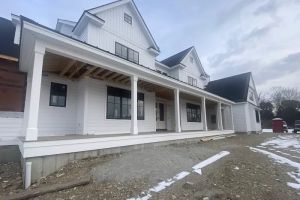
Tri-State Construction Co
WorcesterWorcester CountyMassachusetts
5 Brussels St BLDG B, Worcester, MA 01610, USA
2-Causes of Siding Expansion and Contraction
Siding materials, like all building materials, expand and contract in response to environmental conditions. The primary causes of siding expansion and contraction include:
- Temperature Fluctuations: Extreme temperature changes cause siding materials to expand when it’s hot and contract when it’s cold. This is most noticeable during seasonal changes, especially in regions with harsh winters and hot summers.
- Humidity and Moisture: High humidity levels or moisture absorption can cause certain siding materials, like wood, to expand. Conversely, dry conditions can lead to contraction. Wood siding is especially prone to these effects.
- Direct Sunlight: Siding that is directly exposed to the sun can heat up significantly, causing it to expand. Over time, repeated exposure to sunlight can lead to wear and tear as the siding continually expands and contracts.
- Improper Installation: If siding is not installed with the necessary allowances for expansion and contraction, it can lead to warping, cracking, or buckling as the material tries to move. This is a common problem with DIY siding installations.
These natural forces can cause your siding to warp, crack, or develop gaps, which can lead to water damage and decreased insulation efficiency.
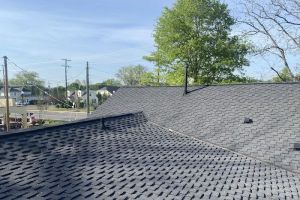
M & M Roofing & Exteriors
HaymarketPrince William CountyVirginia
14845 Washington St, Haymarket, VA 20169, USA
3-Which Siding Materials Are Most Affected?
Some siding materials are more susceptible to expansion and contraction than others. Understanding how different materials behave under various environmental conditions will help you choose the best option for your home:
- Wood Siding: Wood is one of the most affected materials when it comes to expansion and contraction. It absorbs moisture from the air, causing it to expand, and contracts when it dries out. This can lead to cracks, splits, and gaps in the siding.
- Vinyl Siding: Vinyl siding is highly affected by temperature changes. It expands in the heat and contracts in the cold, which can cause it to warp or buckle. However, vinyl is less susceptible to moisture-related issues compared to wood.
- Fiber Cement Siding: Fiber cement is more stable than wood and vinyl, but it can still expand or contract slightly due to moisture absorption. It’s more durable and less prone to damage, but installation should account for small shifts in size.
- Metal Siding: Metal, such as aluminum or steel, is also affected by temperature changes, although to a lesser degree than vinyl or wood. Metal siding tends to expand and contract more uniformly, but it can still be prone to dents and warping from extreme temperature variations.
When selecting siding material for your home, consider the climate and the material’s ability to withstand the effects of expansion and contraction.
4-Effective Ways to Mitigate Siding Expansion and Contraction
While expansion and contraction are inevitable, there are several techniques you can use to mitigate their effects and protect your siding:
- Allow Proper Space for Expansion: When installing siding, it’s essential to leave enough space between the panels to accommodate expansion and contraction. Most siding materials require a gap between panels to move freely without causing damage.
- Install Moisture Barriers: Moisture barriers help prevent water from penetrating the siding material, especially for wood siding. Using a vapor barrier behind the siding can reduce the expansion caused by moisture absorption.
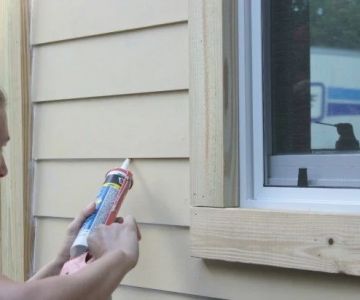
- Seal Cracks and Gaps: Regularly inspect your siding for cracks or gaps caused by expansion and contraction. Seal these areas with high-quality caulk or weatherproof sealant to prevent water infiltration and further damage.
- Choose High-Quality Siding Materials: Opt for siding materials that are more resistant to expansion and contraction. For example, fiber cement and metal siding typically perform better in extreme temperatures than wood or vinyl.
Taking these preventative measures can prolong the lifespan of your siding and reduce the risk of expensive repairs in the future.
5-Real-Life Case: Siding Expansion Issues and Their Solution
A homeowner in Michigan, Mark, noticed that his wooden siding began to warp and crack after a harsh winter followed by a hot summer. He consulted a professional contractor who explained that the changes in temperature and moisture were causing the siding to expand and contract excessively. The contractor recommended installing a moisture barrier and replacing some of the damaged boards with fiber cement siding. Mark followed these suggestions, and the new siding system has held up well, even through extreme weather conditions.
6-Final Tips for Proper Siding Maintenance
To ensure your siding remains in great condition despite expansion and contraction, follow these maintenance tips:
- Regular Inspections: Check your siding regularly for signs of expansion or contraction, such as cracks, warping, or gaps. Early detection of issues can save you from costly repairs.
- Maintain Ventilation: Proper airflow in your attic and behind your siding will help prevent excess moisture buildup, which can exacerbate the effects of expansion and contraction.
- Repaint or Reseal Siding as Needed: Repainting or resealing your siding every few years can help protect it from moisture and environmental damage.
With the right care and attention, you can minimize the negative effects of siding expansion and contraction, ensuring your home stays beautiful and well-protected for years to come.

 RAW Exteriors4.0 (103 reviews)
 Edgewood Roofing Repair Services5.0 (2 reviews)
 Window World of Middle Georgia4.0 (721 reviews)
 Patriot Contracting Corporation Inc4.0 (34 reviews)
 JE HOME CONSTRUCTION0.0 (0 reviews)
 Osgood Roofing, Siding, and Guttering Company5.0 (22 reviews)
 What’s the Best Time of Year to Replace Your Roof?
 How to Spot Hail Damage on Your Roof: A Step-by-Step Guide
 Pros and Cons of Fiber Cement Siding
 Siding Longevity by Climate: Hot, Cold, Humid & Dry Regions
 How to Maintain Your Siding Year Round: Seasonal Tips and Care
 How Roof & Siding Aging Impacts Insurance & Home Value