
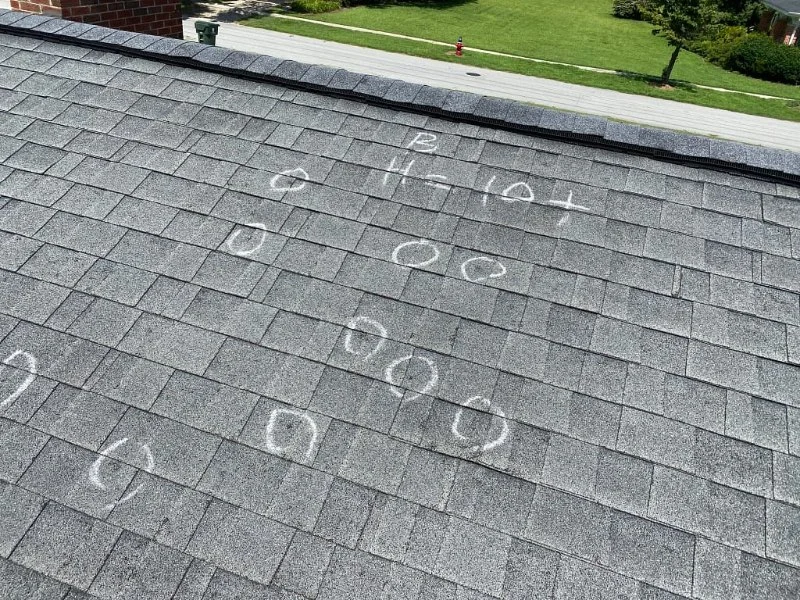
- Understanding Hail Damage on Your Roof
- Common Signs of Hail Damage
- How to Inspect Your Roof for Hail Damage
- What to Do If You Spot Hail Damage on Your Roof
- Preventing Future Hail Damage to Your Roof
- Why Choose Total Roofing Hub for Roof Repair
Understanding Hail Damage on Your Roof
Hailstorms are one of the most unpredictable weather events, and their impact on your roof can be significant. Hail can damage roofs in various ways, leading to costly repairs if not addressed promptly. It's crucial to understand what hail damage looks like and how to spot it early before it worsens.
Hail damage is typically caused by small or large hailstones that fall at high speeds, striking your roof and causing dents, cracks, or even punctures. While some damage may be obvious, other signs may be harder to detect, especially if your roof is steep or covered with shingles. Regular roof inspections can help ensure that any hail damage is identified and addressed in a timely manner.

Common Signs of Hail Damage
There are several signs to look for when inspecting your roof for hail damage. These signs can vary depending on the type of roof, the size of the hailstones, and the age of your roof. Here are some common indicators of hail damage:

1. Dents in the Roof Surface
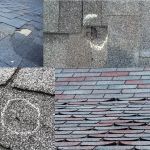
One of the most obvious signs of hail damage is the presence of dents in your roof’s surface. These dents are usually caused by larger hailstones and are most visible on metal roofing, but they can also appear on shingles. The dents may be shallow or deeper depending on the size and impact of the hailstone.
2. Cracked or Missing Shingles
Hail can cause cracks in your roof shingles, which may be visible to the naked eye. If the hailstones are large enough, they can also break off pieces of the shingles, leaving them missing or damaged. Missing shingles can lead to water leaks and should be replaced as soon as possible to prevent further damage.
3. Granule Loss on Asphalt Shingles
If you have an asphalt roof, look for granules that may have been dislodged by hail. Granules help protect the shingles from UV rays and provide a smooth surface. A loss of granules is a clear sign of hail damage and can leave your roof vulnerable to further weathering and leaks.
4. Cracked Roof Vents or Skylights
Hail can also damage roof vents, skylights, and other fixtures on your roof. Cracks or breaks in these areas may not always be visible from the ground but can be inspected closely during a roof inspection. Damaged vents or skylights can lead to water intrusion and should be replaced immediately.
How to Inspect Your Roof for Hail Damage
Inspecting your roof for hail damage is a crucial step in maintaining the integrity of your home. Here’s a step-by-step guide on how to perform a thorough inspection:
1. Check from the Ground
Before climbing onto the roof, start by inspecting from the ground. Look for any visible damage, such as missing shingles, dents in the roof surface, or areas that appear to have lost granules. Use binoculars to get a closer view of higher spots on your roof. Take note of any areas that appear to be severely damaged.
2. Use a Ladder for a Closer Look
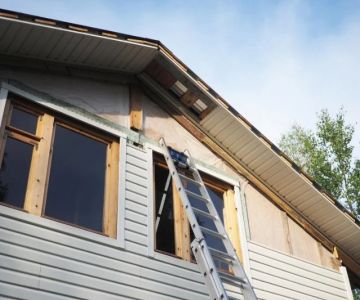
If you feel comfortable, use a ladder to get a closer look at your roof. Be sure to take safety precautions when using a ladder. Inspect the shingles, checking for any cracks, curling, or missing sections. Pay special attention to areas around roof vents, chimneys, and skylights where hail can cause significant damage.
3. Check for Leaks Inside the Home
Leaks inside the home can be a telltale sign of roof damage. Look for water stains on the ceiling or walls, particularly near skylights or roof valleys. These areas are more prone to leaks after a hailstorm, as the impact may have created holes or cracks that allow water to seep through.
4. Call a Professional Roofer
If you spot any damage or if you’re unsure about the extent of the damage, it’s important to call a professional roofer. A qualified roofing contractor can conduct a thorough inspection and assess the damage, providing you with a detailed report and estimate for repairs.
What to Do If You Spot Hail Damage on Your Roof
If you’ve identified hail damage on your roof, it’s important to act quickly to prevent further complications. Here's what you should do next:
1. Document the Damage
Before making any repairs, document the damage with photos or videos. This documentation will be useful for insurance claims and will help your roofing contractor understand the extent of the damage. Make sure to capture close-ups of any visible dents, cracks, or missing shingles.
2. Contact Your Insurance Provider
If the damage appears extensive, contact your homeowner’s insurance provider to file a claim. Many insurance policies cover hail damage, and your provider will guide you through the claims process. Be prepared to share your photos and any information provided by your roofer.
3. Schedule Roof Repair or Replacement
Once your insurance claim is processed, schedule a roofing contractor to repair or replace the damaged areas of your roof. Timely repairs are crucial to prevent leaks and further damage, especially if there are missing shingles or exposed areas of the roof.
Preventing Future Hail Damage to Your Roof
While you can’t control the weather, there are steps you can take to minimize the risk of hail damage to your roof in the future. Consider the following preventative measures:
1. Install Hail-Resistant Roofing
If you live in an area prone to frequent hailstorms, consider installing hail-resistant roofing materials. Some materials, like impact-resistant shingles or metal roofing, are more durable and can withstand hail impacts better than traditional asphalt shingles.
2. Keep Trees Trimmed
Large trees near your home can contribute to roof damage during a hailstorm, as falling branches can cause significant harm. Regularly trim trees around your home to reduce the risk of branches hitting your roof during a storm.
3. Regular Roof Maintenance
Regular roof inspections and maintenance can help identify minor issues before they turn into costly repairs. Check your roof at least once a year and after major storms to catch any damage early. Early detection and maintenance can extend the lifespan of your roof and prevent more expensive repairs down the line.
Why Choose Total Roofing Hub for Roof Repair
If you've spotted hail damage on your roof, it’s essential to trust the professionals at Total Roofing Hub for high-quality repair services. With years of experience and a commitment to customer satisfaction, Total Roofing Hub offers expert roofing solutions tailored to your needs. Whether you need a simple repair or a complete roof replacement, we are here to help ensure your roof is in top condition.

 Skyline Designs Roofing5.0 (99 reviews)
 Perfect Roofing Installations4.0 (60 reviews)
 Dog Tags Construction LLC4.0 (16 reviews)
 Gutter Shutter of Central Maryland5.0 (9 reviews)
 Sam Cline Handyman Services4.0 (37 reviews)
 Paramount Builders Inc.4.0 (302 reviews)
 Should I Repair or Replace My Roof?
 Top 10 Signs Your Roof Needs Immediate Repair Before It’s Too Late
 The Pros and Cons of Vinyl Siding: Is It the Right Choice for Your Home?
 How to Choose a Reliable Roofing Contractor Near You – Expert Tips
 Top 10 Signs Your Roof Needs Immediate Repair You Shouldn’t Ignore
 How to Spot Hail Damage on Your Roof | Quick Guide for Homeowners