
- 1-Introduction to Siding Longevity by Climate
- 2-Siding for Hot Climates
- 3-Siding for Cold Climates
- 4-Siding for Humid Climates
- 5-Siding for Dry Climates
- 6-Maintenance Tips for Maximizing Siding Longevity
1. Introduction to Siding Longevity by Climate
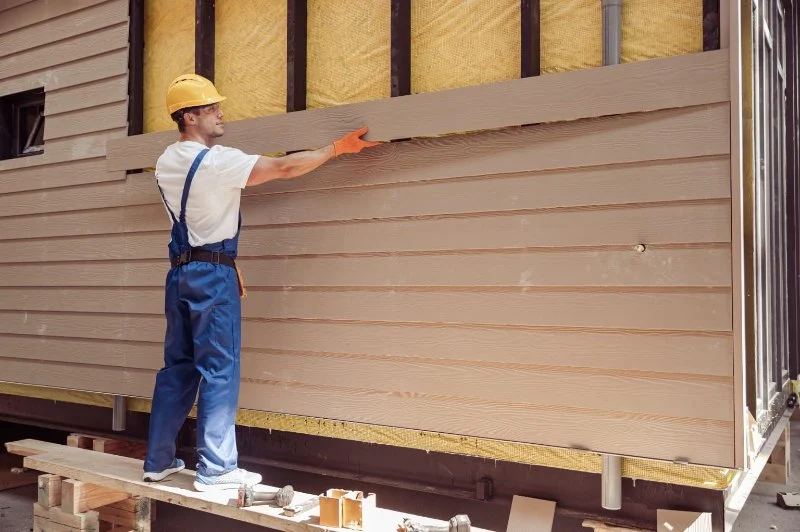
When choosing the right siding for your home, it's essential to consider the climate in which you live. Different climates place varying demands on your home's exterior, which directly impacts the longevity of your siding materials. Whether you live in a hot, cold, humid, or dry region, understanding how climate affects siding can help you make informed decisions that protect your investment and maximize durability.
This article explores how different weather conditions influence the performance of various siding materials and offers practical advice on choosing the best siding options for each climate. By considering these factors, you can ensure that your siding lasts as long as possible and remains in excellent condition.
2. Siding for Hot Climates
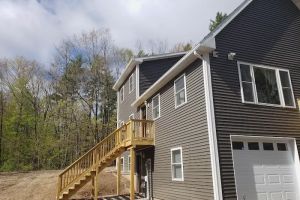
In hot climates, where high temperatures, direct sunlight, and intense heat are constant, siding materials must withstand UV exposure and thermal expansion. Here’s what to consider for siding in hot climates:
D'Nick Home Improvement LLC
ElmsfordWestchester CountyNew York
52 N Evarts Ave, Elmsford, NY 10523, USA
2.1-Recommended Siding Materials for Hot Climates
Materials such as vinyl, fiber cement, and stucco are excellent choices for homes in hot climates. These materials are heat-resistant and can withstand prolonged exposure to the sun without warping, fading, or deteriorating. Fiber cement, in particular, is highly durable and resistant to heat, making it a top choice for homeowners in scorching temperatures.
2.2-Potential Issues in Hot Climates
Wooden siding may not be the best option in hot climates because it can dry out and crack due to excessive heat. Additionally, materials that are poorly insulated can exacerbate the internal temperature of your home, leading to higher cooling costs.
2.3-Maintenance Considerations
To maintain your siding in hot climates, regular cleaning is necessary to remove dust and debris that can accumulate and cause damage over time. Painting or staining your siding with UV-resistant finishes can also help protect it from the sun’s harsh rays.
3. Siding for Cold Climates
Cold climates present their own set of challenges for siding materials. Freeze-thaw cycles, heavy snow, and ice buildup can cause significant wear and tear on your home's exterior. Here’s what you need to know:
3.1-Recommended Siding Materials for Cold Climates
For homes in cold climates, materials like vinyl, fiber cement, and insulated steel siding are excellent options. These materials are durable, offer thermal resistance, and can withstand freezing temperatures without cracking. Insulated siding options are particularly beneficial in cold climates, as they help maintain indoor warmth and reduce energy consumption.
3.2-Potential Issues in Cold Climates
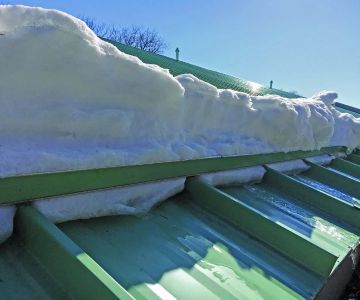
In cold climates, issues such as ice damming can occur, which can lead to water penetration behind the siding. Additionally, materials that are not properly sealed can allow moisture to seep in, causing mold, mildew, and rot in the walls.
3.3-Maintenance Considerations
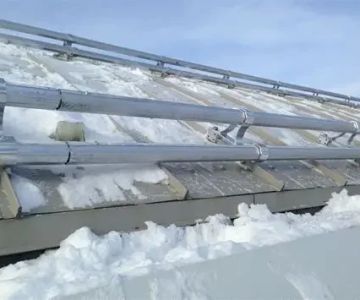
To keep your siding in optimal condition, ensure proper sealing around seams, joints, and corners. Inspect your siding for any cracks or damage caused by freezing temperatures and repair any issues promptly. Regularly clear snow and ice buildup to prevent moisture from seeping in behind your siding.
4. Siding for Humid Climates
Humid climates can lead to increased moisture levels, which can cause siding materials to warp, swell, and develop mold or mildew. Here’s what you need to consider for siding in humid climates:
4.1-Recommended Siding Materials for Humid Climates
In humid climates, materials like vinyl, fiber cement, and brick are highly recommended. These materials are resistant to moisture, preventing mold and mildew growth. Fiber cement and brick are particularly good at withstanding the effects of humidity without deteriorating over time.
4.2-Potential Issues in Humid Climates
Wood siding can be problematic in humid climates because it absorbs moisture, which can lead to warping, rotting, and mold growth. Additionally, poorly ventilated siding may trap moisture against the wall, accelerating damage.
4.3-Maintenance Considerations
To protect your siding in humid climates, it’s essential to ensure proper ventilation around your home to allow moisture to escape. Regular cleaning is necessary to remove mold or mildew buildup, and it’s a good idea to periodically inspect your siding for signs of moisture damage.
5. Siding for Dry Climates
Dry climates can present challenges such as dust storms, limited rainfall, and intense sunlight. Siding in these regions needs to be durable enough to resist drying out and fading under the sun's harsh rays.
5.1-Recommended Siding Materials for Dry Climates
Materials such as stucco, fiber cement, and brick are ideal for dry climates. These materials are resistant to heat and can endure prolonged sun exposure without fading or cracking. Stucco is particularly suitable for dry, arid regions, as it provides insulation and is resistant to the effects of dryness.
5.2-Potential Issues in Dry Climates
Wood siding may not be the best choice for dry climates as it can dry out and crack. Additionally, exposure to excessive heat and wind can cause damage to siding materials that are not properly sealed or protected from UV rays.
5.3-Maintenance Considerations
To ensure the longevity of your siding in dry climates, apply UV-resistant coatings to prevent fading and cracking. Regularly inspect your siding for damage caused by dry conditions and make necessary repairs to maintain its protective qualities.
6. Maintenance Tips for Maximizing Siding Longevity
Proper maintenance is essential to extending the life of your siding, no matter the climate. Here are some general tips to keep your siding in top shape:
- Clean your siding regularly: Remove dirt, debris, and mold to prevent long-term damage.
- Check for damage: Regularly inspect your siding for cracks, warps, or gaps and make repairs promptly.
- Repaint or reseal when necessary: Refresh the protective coatings on your siding to protect it from the elements.
- Ensure proper ventilation: Proper airflow helps reduce moisture buildup, particularly in humid climates.
Choosing the right siding for your climate can save you money in the long run by reducing maintenance costs and ensuring your home remains well-protected. For expert advice and premium siding products, visit Total Roofing Hub today.
 Marc Joseph remodeling5.0 (1 reviews)
 PRS Roofing Inc5.0 (9 reviews)
 KAPS CONSTRUCTION4.0 (5 reviews)
 Marshall Exteriors, LLC4.0 (213 reviews)
 S.W.A.T. Roofing & Consulting4.0 (46 reviews)
 MATFI RENOVATIONS LLC5.0 (23 reviews)
 Siding Material Fire Ratings: What’s Required & What to Choose
 Roof Talk: Common Terminology Every Homeowner Should Know
 How Often Should You Replace Your Home's Siding? Expert Tips on Siding Longevity
 The Average Lifespan of Asphalt Shingle Roofs: How Long Do They Last?
 How to Choose a Reliable Roofing Contractor Near You | Top Tips and Questions
 Should I Repair or Replace My Roof? – Expert Guide for U.S. Homeowners