
- 1-Understanding Hail Damage on Your Roof
- 2-Signs of Hail Damage to Look For
- 3-How to Inspect Your Roof for Hail Damage
- 4-When to Call a Professional Roofing Contractor
- 5-Real-Life Case Study: Hail Damage and Insurance Claims
1-Understanding Hail Damage on Your Roof
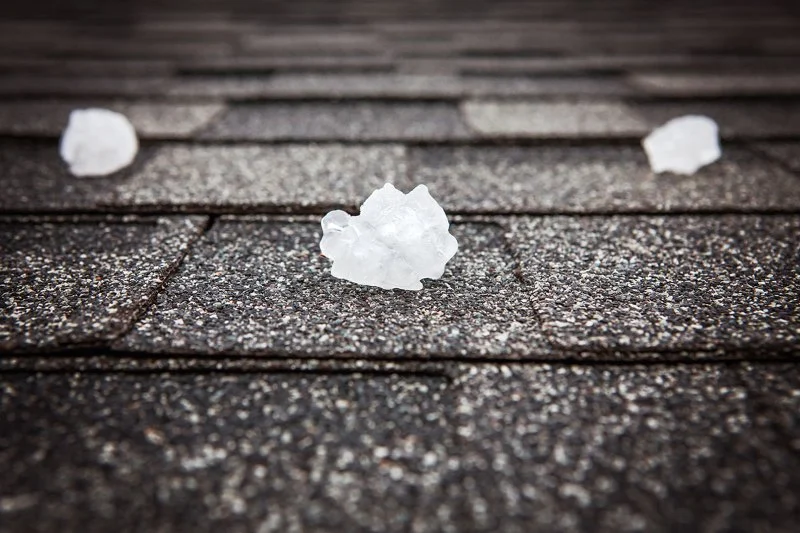
Hailstorms can cause serious damage to your roof, especially if the hailstones are large or if the storm lasts for an extended period. Hail damage can be hard to spot initially, but over time, it can lead to more significant issues like leaks, reduced energy efficiency, and structural problems. Understanding what hail damage looks like and knowing how to inspect your roof properly is key to preventing these issues and maintaining the integrity of your roof.

Sears Window Replacement
LexingtonLexington CountySouth Carolina
523 Columbia Ave, Lexington, SC 29072, USA
2-Signs of Hail Damage to Look For
Identifying hail damage early is essential to prevent further harm. Here are some of the common signs to look for after a hailstorm:
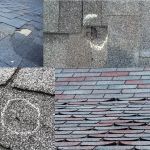
- Dents in Roofing Materials: One of the most obvious signs of hail damage is visible dents or dings in your shingles or roofing materials. These are often most noticeable on asphalt shingles, which can show small craters or depressions from the impact of hailstones.
- Granule Loss: Hail can knock the granules off asphalt shingles, which protect your roof from UV rays and help regulate temperature. If you notice granules in your gutters or on the ground, your shingles may have been compromised.
- Cracks or Tears in Shingles: Hailstones can cause cracks, splits, or tears in the shingles, especially if the hail is large or if the shingles are already old. Over time, these cracks can lead to water leaks and further deterioration.
- Damage to Flashing or Gutters: Hail can also damage roof flashing, which protects areas like chimneys, vents, and skylights. Additionally, gutters and downspouts can be dented or bent during a hailstorm, compromising their effectiveness in directing water off the roof.
- Leaks or Water Stains Inside: While leaks may not appear immediately, hail damage can cause cracks or holes in your roof that eventually lead to water infiltration. Look for water stains or damp spots on your ceiling or walls after a storm.
3-How to Inspect Your Roof for Hail Damage
Inspecting your roof for hail damage involves more than just looking for visible cracks. Follow these steps for a thorough roof inspection:
- Step 1: Assess the Surrounding Area: Start by inspecting your yard and surroundings. Look for any debris, broken tree branches, or hailstones that might indicate the size and intensity of the storm. This will give you an idea of the potential impact on your roof.
- Step 2: Visual Roof Inspection: Safely climb a ladder or use binoculars to closely examine your roof. Look for any missing or damaged shingles, dents, or granule loss. Pay particular attention to areas most vulnerable to hail, like the edges and ridges of the roof.
- Step 3: Check for Internal Leaks: After inspecting the exterior, go inside your home and check for any signs of leaks, especially in the attic or top floor. If you notice water spots or damp areas on your ceiling, it could be an indication that hail damage has compromised your roof's integrity.
- Step 4: Inspect Gutters and Flashing: Check the gutters and downspouts for any dents or cracks that might indicate hail damage. Also, inspect the flashing around chimneys, vents, and skylights for any damage or signs of wear.
4-When to Call a Professional Roofing Contractor
If you notice any of the signs of hail damage mentioned above, it’s important to contact a professional roofing contractor. Roofing professionals have the tools and expertise to thoroughly inspect your roof, identify any hidden damage, and make the necessary repairs. Here are some situations when you should call a professional:
- If you're unsure about the extent of the damage: A professional can assess the damage more accurately and give you an expert opinion on whether repairs or a full roof replacement are needed.
- If you notice leaks or water stains: If you see leaks inside your home or on your ceiling, it’s important to address the issue as soon as possible to avoid further damage to your property.
- If you have an older roof: If your roof is older or already showing signs of wear, it’s especially important to have it professionally inspected after a hailstorm.
- If you want to file an insurance claim: A professional roofer can help document the damage for insurance purposes and provide you with the necessary documentation for filing a claim.
5-Real-Life Case Study: Hail Damage and Insurance Claims
In one real-life case, a homeowner in Kansas City experienced significant hail damage after a powerful storm passed through. The homeowner noticed several dents in the roof’s asphalt shingles and granule loss. They contacted a local roofing contractor, who confirmed that the damage was severe enough to require a full roof replacement.
With the help of the roofing contractor, the homeowner filed an insurance claim. The contractor provided detailed photos of the damage, and the insurance company approved the claim for a full roof replacement. Thanks to timely action and professional assistance, the homeowner was able to restore their roof and prevent further damage to their property.
If you've experienced hail damage or suspect your roof has been affected, don't wait for the damage to worsen. Call a professional roofing contractor today to assess the situation and protect your home. For expert advice and the best roofing products, visit Total Roofing Hub for reliable recommendations and services!

 Skyline Designs Roofing5.0 (99 reviews)
 Perfect Roofing Installations4.0 (60 reviews)
 Dog Tags Construction LLC4.0 (16 reviews)
 Gutter Shutter of Central Maryland5.0 (9 reviews)
 Sam Cline Handyman Services4.0 (37 reviews)
 Paramount Builders Inc.4.0 (302 reviews)
 Should I Repair or Replace My Roof?
 Top 10 Signs Your Roof Needs Immediate Repair Before It’s Too Late
 The Pros and Cons of Vinyl Siding: Is It the Right Choice for Your Home?
 How to Choose a Reliable Roofing Contractor Near You – Expert Tips
 Top 10 Signs Your Roof Needs Immediate Repair You Shouldn’t Ignore
 How to Spot Hail Damage on Your Roof | Quick Guide for Homeowners