
- 1. Understanding Siding Sealing and Caulking
- 2. Why Siding Sealing and Caulking Matter
- 3. Step-by-Step Siding Sealing Process
- 4. Common Mistakes to Avoid When Caulking
- 5. Tools and Materials for Proper Siding Sealing
- 6. Why Choose Total Roofing Hub for Home Maintenance Needs?
1. Understanding Siding Sealing and Caulking
Siding sealing and caulking are essential home maintenance tasks that help protect your property from weather damage, improve energy efficiency, and extend the lifespan of your siding. Sealing involves applying a protective layer to fill gaps and prevent moisture from seeping into your home, while caulking is a process of sealing joints, seams, and cracks to prevent air leaks and water infiltration. Together, these practices create a robust defense against the elements, ensuring that your home stays dry and energy-efficient.

Lansing Building Products - Wilkes-Barre, PA
Forty FortLuzerne CountyPennsylvania
936 Rutter Ave, Forty Fort, PA 18704, USA
2. Why Siding Sealing and Caulking Matter
Proper siding sealing and caulking can provide significant benefits for your home. Here’s why they matter:

2.1. Protects Against Water Damage
One of the main purposes of sealing and caulking your siding is to prevent water from entering your home. Water infiltration can lead to mold, mildew, and wood rot, all of which can cause extensive damage and costly repairs. Sealing and caulking gaps ensures that moisture doesn’t get inside, keeping your home safe and sound.
2.2. Enhances Energy Efficiency
Caulking and sealing also help improve your home’s energy efficiency by reducing air leaks. These gaps, often found around windows, doors, and siding joints, can cause drafts, making your heating and cooling systems work harder. By sealing these areas, you can keep warm or cool air inside, resulting in lower energy bills and a more comfortable living environment.
2.3. Increases Curb Appeal
Caulking and sealing your siding not only protect your home but also enhance its appearance. A properly sealed exterior prevents cracking and peeling paint, which can make your home look outdated and poorly maintained. Keeping your siding in top condition increases curb appeal and adds value to your property.
3. Step-by-Step Siding Sealing Process
Sealing and caulking your home’s siding is a relatively straightforward process, but it’s important to follow the correct steps to achieve the best results. Here’s a guide to help you complete this task efficiently:
3.1. Clean the Siding
Before applying any sealant or caulk, make sure the siding is clean. Dirt, debris, and old paint can interfere with the adhesive properties of the materials. Use a pressure washer or a hose and scrub brush to clean the surface thoroughly. Allow the siding to dry completely before moving on to the next step.
3.2. Inspect for Gaps and Cracks
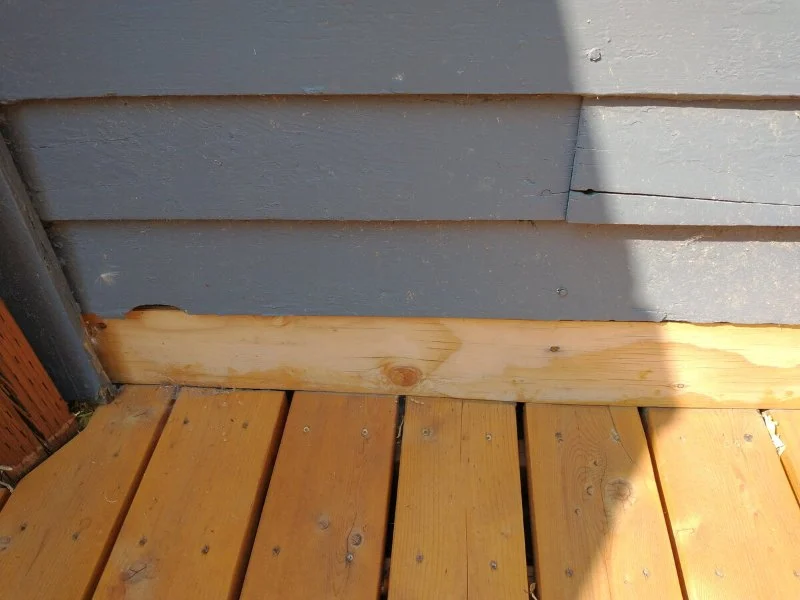
Inspect the siding carefully for any gaps, cracks, or areas where the siding has separated. Focus on seams, corners, and joints, as these are common places where air and water can enter. If you notice any large gaps, you may need to apply foam backer rods before caulking to ensure a secure seal.
3.3. Apply the Caulk
Use a high-quality caulking gun and apply a thin bead of caulk along the seams and joints of the siding. Smooth the caulk with a caulk smoothing tool or your finger to ensure it fills the gap completely. Be sure to remove any excess caulk immediately to avoid unsightly messes.
3.4. Seal the Siding
Once the caulking is dry, apply the siding sealant to the surface. Choose a sealant that is specifically designed for your type of siding material, whether wood, vinyl, or fiber cement. Use a brush, roller, or sprayer to apply a thin, even layer of sealant. Allow it to dry as per the manufacturer's instructions before applying additional coats, if necessary.
4. Common Mistakes to Avoid When Caulking
While caulking is a simple task, there are a few mistakes that can compromise the effectiveness of the seal. Here are some common errors to avoid:
4.1. Skipping Surface Preparation
One of the most common mistakes is neglecting to clean the surface before applying caulk. Caulk won’t adhere properly to dirt, dust, or old caulk, so cleaning is essential to ensure a long-lasting bond.
4.2. Using Low-Quality Caulk
Using a cheap or low-quality caulk can lead to cracking or peeling over time. Always choose a caulk that is specifically designed for outdoor use and can withstand the elements. Look for caulks that are mold-resistant and flexible.
4.3. Overapplying or Underapplying Caulk
Too much caulk can create unsightly beads and excess waste, while too little may leave gaps and fail to seal effectively. Be sure to apply a consistent, smooth bead of caulk to cover the gap without excess buildup.
5. Tools and Materials for Proper Siding Sealing
Having the right tools and materials is essential to ensuring a successful siding sealing and caulking job. Here’s a list of what you’ll need:
5.1. Caulk Gun
A caulk gun is essential for applying caulk smoothly and evenly. Make sure to choose one that is comfortable to hold and easy to use for long periods.
5.2. High-Quality Caulk
For long-lasting results, use a high-quality, weather-resistant caulk. Choose a product designed for outdoor use and the specific material of your siding.
5.3. Siding Sealant
A high-quality siding sealant is crucial to protect your siding from the elements. Look for one that provides waterproofing and UV protection to prevent damage from the sun and rain.
6. Why Choose Total Roofing Hub for Home Maintenance Needs?
For all your home maintenance needs, including siding sealing and caulking, visit Total Roofing Hub. Our wide selection of high-quality products, tools, and materials ensures that you have everything you need to maintain and protect your home. Whether you’re a DIY enthusiast or need professional advice, Total Roofing Hub has you covered. Explore our site today to find the best products for your next home improvement project!
 Marc Joseph remodeling5.0 (1 reviews)
 PRS Roofing Inc5.0 (9 reviews)
 KAPS CONSTRUCTION4.0 (5 reviews)
 Marshall Exteriors, LLC4.0 (213 reviews)
 S.W.A.T. Roofing & Consulting4.0 (46 reviews)
 MATFI RENOVATIONS LLC5.0 (23 reviews)
 Siding Material Fire Ratings: What’s Required & What to Choose
 Roof Talk: Common Terminology Every Homeowner Should Know
 How Often Should You Replace Your Home's Siding? Expert Tips on Siding Longevity
 The Average Lifespan of Asphalt Shingle Roofs: How Long Do They Last?
 How to Choose a Reliable Roofing Contractor Near You | Top Tips and Questions
 Should I Repair or Replace My Roof? – Expert Guide for U.S. Homeowners