
- 1. Understanding Cool Roofs and How They Work
- 2. Environmental Impact of Cool Roofs
- 3. Energy Savings and Reduced Utility Costs
- 4. Cool Roofs and the Urban Heat Island Effect
- 5. Choosing the Right Cool Roof for Your Building
1. Understanding Cool Roofs and How They Work
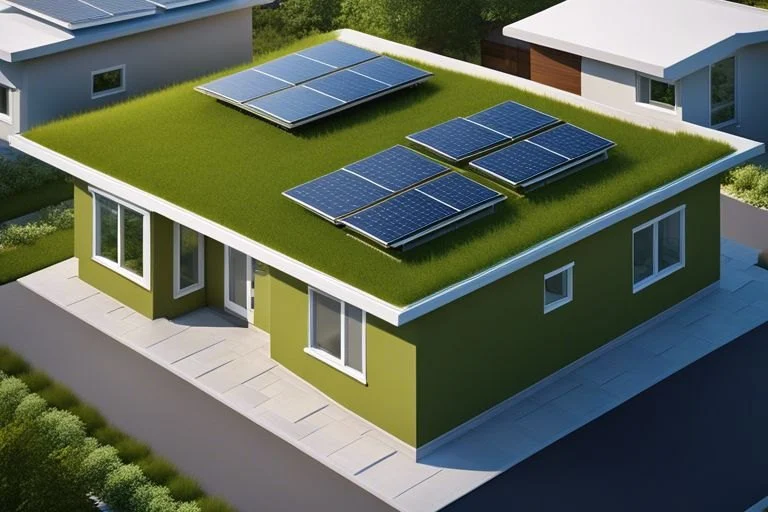
A cool roof is a roofing system designed to reflect more sunlight and absorb less heat than a standard roof. This is achieved through the use of reflective materials, coatings, or a special design that increases a roof's ability to reflect solar energy. Cool roofs are typically white or light-colored, but they can also come in various colors depending on the materials used.
The main purpose of a cool roof is to reduce the amount of heat absorbed by a building, which helps regulate indoor temperatures and reduces the need for air conditioning. This not only enhances comfort inside buildings but also contributes to reducing the overall energy consumption of a property.

GutPro Seamless Gutter Installation
Port CharlotteCharlotte CountyFlorida
3675 S Tamiami Trl, Port Charlotte, FL 33952, USA
2. Environmental Impact of Cool Roofs
Cool roofs offer significant environmental benefits by promoting sustainability and helping mitigate climate change. Here are some of the key environmental advantages:
- Reducing Energy Consumption: By reflecting more sunlight, cool roofs lower the amount of heat absorbed into buildings, decreasing the need for air conditioning. This leads to reduced energy consumption, lower carbon emissions, and a smaller environmental footprint.
- Decreasing Urban Heat Island Effect: Cities tend to be much hotter than rural areas due to the high concentration of heat-absorbing materials such as asphalt and concrete. Cool roofs help counter this by reflecting sunlight, reducing the heat buildup in urban environments.
- Supporting Green Building Standards: Installing cool roofs can help buildings meet green building certification standards such as LEED (Leadership in Energy and Environmental Design). Cool roofs are considered a sustainable choice and are often encouraged in eco-friendly building practices.
As a result, cool roofs not only help the building owners but also contribute to a healthier, more sustainable environment for everyone.

3. Energy Savings and Reduced Utility Costs
One of the main benefits of installing a cool roof is the significant energy savings it can provide. Since cool roofs reflect a substantial portion of the sun’s energy, they help keep buildings cooler in the summer. This results in a reduced need for air conditioning, leading to lower electricity bills. For commercial buildings, the savings can be substantial, as they often require more energy for cooling compared to residential properties.
For example, a study by the U.S. Department of Energy showed that cool roofs can reduce cooling energy use by up to 20% in some regions. In addition to saving money, these energy savings help decrease the overall demand on the electrical grid, especially during peak times, further reducing environmental impacts.
In the long run, the investment in a cool roof pays off with reduced energy bills and increased building value due to its energy efficiency and eco-friendly characteristics.
4. Cool Roofs and the Urban Heat Island Effect
The urban heat island (UHI) effect occurs when urban areas experience significantly higher temperatures than their rural surroundings due to human activities and the prevalence of heat-retaining materials such as asphalt and concrete. This phenomenon exacerbates air pollution, increases energy consumption, and impacts public health, especially during heatwaves.
Cool roofs help alleviate the UHI effect by reflecting sunlight and absorbing less heat. This leads to cooler ambient temperatures in cities and can contribute to improving air quality and reducing the overall heat island effect. Studies have shown that widespread installation of cool roofs can lower temperatures in urban areas by several degrees, benefiting both the environment and human health.
In areas with high heat, cool roofs provide an immediate solution to cooling the environment and can help combat climate-related issues such as rising temperatures and air quality concerns.
5. Choosing the Right Cool Roof for Your Building
When selecting a cool roof for your building, several factors should be considered to ensure it is the right fit for your needs. These factors include climate, building type, and material compatibility. Here are a few key considerations:
- Climate Considerations: Cool roofs are most beneficial in hot climates with long summers and high cooling demands. In colder climates, a cool roof might not be as beneficial, as it could lead to higher heating costs in winter. Evaluate the local climate before choosing the material.
- Building Type: Residential, commercial, and industrial buildings may all benefit from cool roofs, but the materials and installation methods might differ depending on the structure and its specific needs.
- Material Options: Cool roof materials include reflective shingles, tiles, membranes, and coatings. It’s important to select materials that are durable, long-lasting, and suitable for the local weather conditions.
For expert advice and assistance with selecting the best cool roofing solutions, visit Total Roofing Hub. We offer a range of high-quality roofing products that are designed to meet your environmental and energy-saving needs.


 Skyline Designs Roofing5.0 (99 reviews)
 Perfect Roofing Installations4.0 (60 reviews)
 Dog Tags Construction LLC4.0 (16 reviews)
 Gutter Shutter of Central Maryland5.0 (9 reviews)
 Sam Cline Handyman Services4.0 (37 reviews)
 Paramount Builders Inc.4.0 (302 reviews)
 Should I Repair or Replace My Roof?
 Top 10 Signs Your Roof Needs Immediate Repair Before It’s Too Late
 The Pros and Cons of Vinyl Siding: Is It the Right Choice for Your Home?
 How to Choose a Reliable Roofing Contractor Near You – Expert Tips
 Top 10 Signs Your Roof Needs Immediate Repair You Shouldn’t Ignore
 How to Spot Hail Damage on Your Roof | Quick Guide for Homeowners