
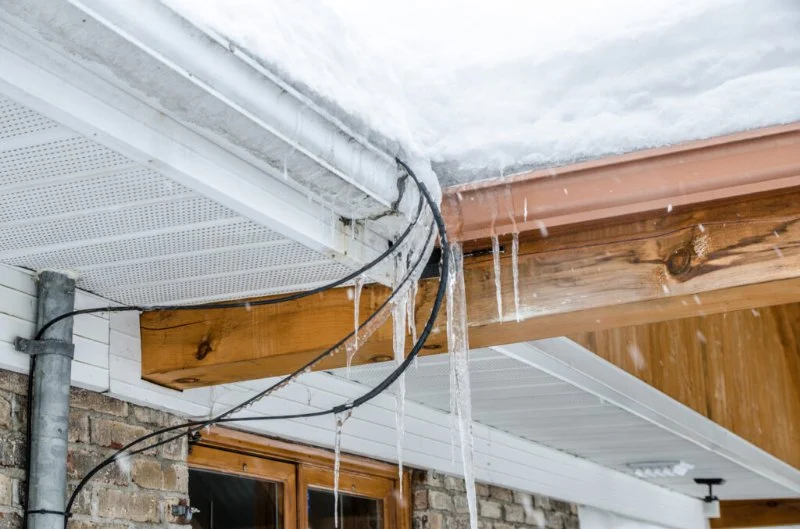
The Role of Roof Underlayment in Preventing Ice Dams & Leaks
- 1- Understanding Roof Underlayment
- 2- How Roof Underlayment Helps Prevent Ice Dams
- 3- Types of Roof Underlayment
- 4- Tips for Choosing the Right Roof Underlayment
- 5- Professional Roofing Assistance
Roof underlayment plays a crucial role in maintaining the integrity of your home’s roof, especially in areas prone to winter weather. This protective layer helps prevent damage from ice dams and leaks, two common roofing issues that can cause significant damage if left untreated. In this guide, we will explore how roof underlayment works, its types, and why it’s essential in preventing ice dams and leaks. We will also offer some tips on choosing the right underlayment for your home and when to seek professional roofing help.
DM Roofing Siding & Windows
567 East Turkeyfoot Lake Road Suite B, Akron, OH 44319, USA
1- Understanding Roof Underlayment
Roof underlayment is a barrier material installed between your roof deck and shingles, acting as an additional layer of protection against water infiltration. It plays a critical role in keeping your home safe from moisture, which can cause rot, mold, and structural damage. The underlayment also provides an extra layer of protection against ice dams and leaks that typically occur during the winter months.
Underlayment is typically made from materials such as felt paper, synthetic materials, or rubberized asphalt. Its purpose is to offer a water-resistant layer to prevent moisture from seeping into your roof, even if your shingles become damaged or wear out over time.
New Stage Roofing and Home Improvement Inc.
NatickMiddlesex CountyMassachusetts
232 Pond St, Natick, MA 01760, USA
2- How Roof Underlayment Helps Prevent Ice Dams
Ice dams are a major concern for homeowners in cold climates. When snow accumulates on the roof, it can melt due to the warmth from the attic. This water then refreezes at the eaves, forming a barrier of ice that can prevent water from draining properly off the roof. As a result, the trapped water can seep under shingles, causing leaks and damage to the roof deck.
Roof underlayment, particularly ice and water shield, provides an impermeable barrier that prevents water from seeping into the roof structure. The underlayment is designed to hold up under the weight of accumulated snow and ice, keeping water from penetrating the roof and creating damage. This is especially important for homes with steep slopes or areas that experience heavy snow and ice buildup.
3- Types of Roof Underlayment
There are three main types of roof underlayment to consider when protecting your roof from ice dams and leaks:
1. Felt Paper Underlayment:
Felt paper is the traditional material used for roofing underlayment. It’s made from a combination of natural and synthetic fibers and is treated with a water-resistant coating. While it’s cost-effective and commonly used, felt paper can be less durable than newer synthetic options, especially when exposed to the elements for extended periods.
2. Synthetic Underlayment:
Synthetic underlayment is a more advanced option made from polypropylene or polyethylene fibers. It’s lightweight, highly durable, and resistant to tearing and UV damage. Synthetic materials offer better protection against water infiltration and are often used in combination with ice and water shields for additional protection against ice dams.
3. Ice and Water Shield:
Ice and water shield underlayment is a rubberized asphalt product that is specifically designed to provide protection against ice dams. It forms a waterproof seal that adheres directly to the roof deck, preventing water from penetrating the roof even in freezing temperatures. This type of underlayment is ideal for areas prone to heavy snowfall and ice buildup.
4- Tips for Choosing the Right Roof Underlayment
Choosing the right roof underlayment is essential for protecting your home from leaks and ice dams. Here are some tips to help you make the best choice:
1. Consider Your Climate:
If you live in a cold climate with heavy snow and ice, it’s crucial to choose an underlayment that provides extra protection, such as an ice and water shield. For warmer climates, a standard synthetic underlayment or felt paper may be sufficient.
2. Think About Durability:
Opt for underlayment that can withstand the elements and last for many years. Synthetic underlayment and ice and water shields tend to be more durable and resistant to UV damage, making them a better investment in the long run.
3. Pay Attention to Local Building Codes:
Some areas have specific building codes regarding roofing materials and underlayment. Make sure you’re following the guidelines set forth by local authorities to ensure that your roof is properly protected and compliant with regulations.
5- Professional Roofing Assistance
While DIY roofing projects can be tempting, roof underlayment installation is best left to professionals. A poorly installed underlayment can result in water infiltration, leading to costly repairs down the line. Professional roofers have the experience and tools needed to install underlayment correctly, ensuring that your roof remains protected from ice dams and leaks.
If you’re considering replacing or upgrading your roof, it’s wise to consult with a professional roofing company. They can assess your home’s needs, recommend the right underlayment, and install it properly to ensure the long-term durability and protection of your roof.
For expert roofing products, services, and guidance, visit Total Roofing Hub, your go-to source for quality roofing materials and professional installation services.


 RL Remodeling4.0 (58 reviews)
 Morse Roofing LLC5.0 (11 reviews)
 Cutting Edge Exteriors LLC0.0 (0 reviews)
 Northern Windows, Siding, Roofing and Insulation5.0 (238 reviews)
 Remnant Roofing5.0 (2 reviews)
 Elevate Roofing and Exteriors4.0 (58 reviews)
 How Roofing and Siding Contribute to Home Comfort & Indoor Climate Control
 Should I Repair or Replace My Roof? – Expert Advice and Tips
 How to Spot Hail Damage on Your Roof: A Complete Guide
 The Average Lifespan of Asphalt Shingle Roofs
 Should I Repair or Replace My Roof? Expert Guide for Homeowners
 How to Retrofit Older Homes with Modern Roofing / Siding Materials