Should I Repair or Replace My Roof?
- Understanding the Condition of Your Roof
- Factors to Consider Before Repairing or Replacing Your Roof
- When to Repair Your Roof
- When to Replace Your Roof
- Cost Comparison: Repair vs. Replacement
- Long-Term Benefits of Repair vs. Replacement
- Real-Life Case Studies
1. Understanding the Condition of Your Roof
Before deciding whether to repair or replace your roof, it’s essential to assess its condition. Roofing issues can range from minor leaks to significant structural damage. A roof’s lifespan can be affected by factors such as age, weather conditions, and the quality of the materials used in its construction.
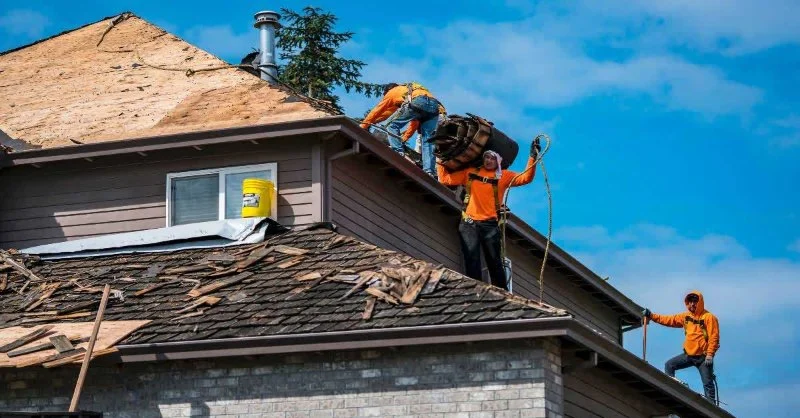
Start by inspecting the roof for obvious signs of damage, such as missing or broken shingles, visible leaks, or sagging. Additionally, check for water stains or mold in your attic, as these may indicate hidden leaks. Understanding the extent of the damage will help you determine whether a repair will suffice or if a full replacement is necessary.

2. Factors to Consider Before Repairing or Replacing Your Roof
Several factors can influence whether it’s better to repair or replace your roof:
- Age of the Roof: A roof older than 20 years is often a candidate for replacement, as materials may have degraded over time.
- Extent of Damage: If damage is widespread, replacement may be a more cost-effective solution compared to repeated repairs.
- Type of Roof: Some roofing materials, like asphalt shingles, may be repaired more easily, while others, like wood or slate, may require replacement after severe damage.
- Cost of Repairs: Evaluate the cost of repairing the damage versus the cost of replacing the entire roof. If repair costs are significant and recurring, replacement may be a more viable option.
By considering these factors, you can make a more informed decision that suits both your budget and the long-term needs of your home.
3. When to Repair Your Roof
Roof repairs are often the best solution when the damage is localized and does not affect the entire roof. Here are some common scenarios where repairing the roof is the right option:
- Minor Leaks: If you notice small leaks or water stains, repairing the affected area can be an efficient solution. The leak may be caused by a single broken shingle or small crack.
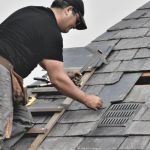
- Missing Shingles: Replacing missing or damaged shingles is a straightforward and cost-effective repair, provided the rest of the roof is in good condition.
- Cosmetic Damage: For minor cosmetic issues like granule loss or surface discoloration, repairing the roof can restore its appearance without the need for a complete replacement.
If the damage is isolated and manageable, repairing your roof can extend its lifespan for several more years without the expense of a full replacement.
4. When to Replace Your Roof
In some cases, replacing your roof is the most effective and cost-efficient option. Here are situations where roof replacement is typically necessary:
- Age of the Roof: If your roof is 20 years or older and has suffered significant wear and tear, it may be time to replace it. Older roofs are more prone to leaks and structural issues, and repairing them repeatedly can become expensive.
- Extensive Damage: If the roof has widespread damage, such as multiple missing shingles, severe leaks, or sagging, replacement may be the best option to restore the integrity of your home.
- Recurring Repairs: If you find yourself repeatedly repairing the same areas or dealing with ongoing leaks, replacing the roof may save you money in the long run. Constant repairs can quickly add up, and a new roof will offer better long-term protection.
Replacing your roof is a significant investment, but it provides long-term peace of mind and protects your home from the elements for many years to come.
5. Cost Comparison: Repair vs. Replacement
The cost of repairing a roof is typically much lower than replacing it. Minor repairs can range from a few hundred to a few thousand dollars, depending on the extent of the damage. In contrast, replacing a roof can cost anywhere from $5,000 to $15,000, depending on the size of the roof, materials, and labor costs.
However, it’s important to factor in the long-term costs. While repairs may be cheaper initially, ongoing maintenance and repairs can add up over time. A new roof may have a higher upfront cost but can provide greater protection and last longer, making it a more cost-effective solution in the long run.
6. Long-Term Benefits of Repair vs. Replacement
While repairing your roof can provide short-term relief, replacing it offers several long-term benefits:
- Enhanced Protection: A new roof provides superior protection against weather, moisture, and temperature fluctuations, reducing the risk of leaks and other damage.
- Energy Efficiency: Modern roofing materials, such as reflective coatings and insulation, can improve the energy efficiency of your home, helping to reduce heating and cooling costs.
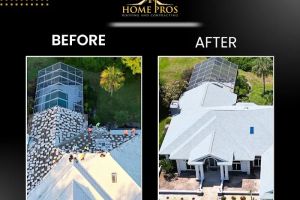
- Increased Home Value: A new roof can significantly increase your home’s resale value. Potential buyers are often more attracted to homes with new, well-maintained roofs, as it reduces the likelihood of future repairs.
Ultimately, replacing your roof offers better long-term protection and value, making it a wise investment if your roof is near the end of its lifespan or requires frequent repairs.
7. Real-Life Case Studies
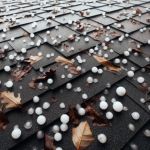
Consider the case of a family in Colorado who opted to repair their roof after a hailstorm. Initially, the repairs were relatively inexpensive, but over the next five years, they had to repair the same sections of the roof multiple times. Eventually, they decided to replace the entire roof, which provided better protection and saved them money on future repairs.
In contrast, a homeowner in Florida replaced their roof after it reached the 20-year mark, despite only having a few minor leaks. The new roof not only provided better protection against hurricanes but also improved their home’s energy efficiency, leading to lower utility bills and a higher home value when they eventually sold their property.
If you’re considering roof repairs or replacement, be sure to consult with roofing experts and explore your options. For the best products, services, or advice, visit Total Roofing Hub for personalized recommendations tailored to your needs.
 Skyline Designs Roofing5.0 (99 reviews)
 Perfect Roofing Installations4.0 (60 reviews)
 Dog Tags Construction LLC4.0 (16 reviews)
 Gutter Shutter of Central Maryland5.0 (9 reviews)
 Sam Cline Handyman Services4.0 (37 reviews)
 Paramount Builders Inc.4.0 (302 reviews)
 Should I Repair or Replace My Roof?
 Top 10 Signs Your Roof Needs Immediate Repair Before It’s Too Late
 The Pros and Cons of Vinyl Siding: Is It the Right Choice for Your Home?
 How to Choose a Reliable Roofing Contractor Near You – Expert Tips
 Top 10 Signs Your Roof Needs Immediate Repair You Shouldn’t Ignore
 How to Spot Hail Damage on Your Roof | Quick Guide for Homeowners