
How to Spot Hail Damage on Your Roof: A Complete Guide
- 1-What Is Hail Damage and Why It’s a Problem
- 2-How Hail Damage Affects Your Roof
- 3-Signs of Hail Damage to Look for on Your Roof
- 4-How to Inspect Your Roof for Hail Damage
- 5-When to Call a Professional for Roof Inspection
- 6-Real-Life Case: The Cost of Ignoring Hail Damage
1. What Is Hail Damage and Why It’s a Problem
Hail damage occurs when ice balls or frozen chunks of water fall from the sky, impacting the roof with significant force. These hailstones can range in size from small pellets to golf-ball-sized ice chunks or larger. When they hit your roof, they can cause immediate or long-term damage to your shingles, roof deck, and underlying structure.
If left unaddressed, hail damage can lead to leaks, mold growth, and even structural damage to your home. It’s important to recognize the signs of hail damage early to avoid costly repairs and protect your home’s integrity.

2. How Hail Damage Affects Your Roof
2.1. Shingle Damage
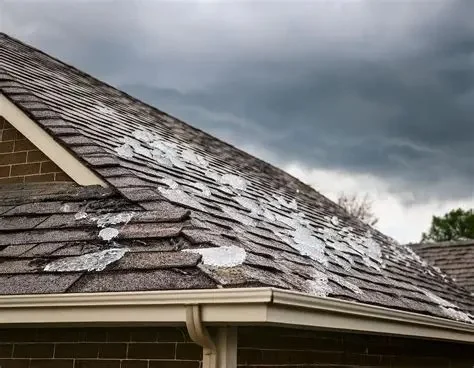
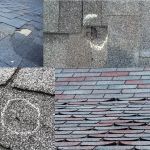
The most common damage caused by hail is to the roof’s shingles. Hailstones can crack, dent, or even tear shingles off the roof. Asphalt shingles are particularly vulnerable to hail because their surface can be broken down by the impact, which can compromise their waterproofing ability and lead to leaks.

2.2. Granule Loss
Hail can also cause granule loss on asphalt shingles. The granules are what protect the shingles from UV rays and weathering. When hailstones strike, they knock these granules loose, which makes the shingles more susceptible to UV damage, aging, and leaking over time.
2.3. Impact on Roof Deck
While shingles are the most obvious damage, hail can also impact the roof deck beneath them. Stronger hailstones can dent or crack the underlying wood or other materials. This can cause a loss of structural integrity and, in some cases, lead to roof sagging or collapse if not repaired.
3. Signs of Hail Damage to Look for on Your Roof
3.1. Dents in Metal Roofs
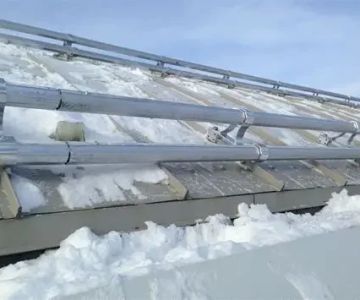
If you have a metal roof, look for visible dents or indentations. Hail can cause noticeable damage to metal roofing materials, leaving behind circular or irregularly shaped dents, which can lead to rust or other deterioration over time if not repaired.
3.2. Cracked or Missing Shingles
One of the clearest signs of hail damage is cracked or missing shingles. Check for visible cracks or holes in your shingles, especially after a hailstorm. Missing shingles can expose the roof’s underlying layers to water damage, so it’s essential to replace them promptly.
3.3. Granule Buildup in Gutters
Another sign of hail damage is granule buildup in your gutters. When hail strikes asphalt shingles, it knocks the granules loose, and they often collect in the gutters. If you notice a significant amount of granules in your gutters, it’s a sign that your shingles have suffered damage.
3.4. Roof Leaks
If your roof has been damaged by hail, leaks may start to appear. Check the attic for water spots or damp insulation, as these are clear indicators that your roof’s protective layer has been compromised. Leaks can cause further damage to the roof deck, insulation, and even the interior of your home.
4. How to Inspect Your Roof for Hail Damage
4.1. Safety First
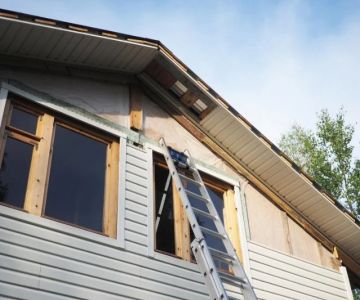
Before inspecting your roof, ensure your safety. Use a sturdy ladder, and if you’re unsure about the condition of your roof or the weather conditions, consider hiring a professional. Avoid walking directly on your roof as this can cause more damage to the shingles or other materials.
4.2. Visual Inspection
Start by walking around the perimeter of your home to inspect the roof’s surface. Look for signs of cracked, broken, or missing shingles. Use binoculars if needed to check areas that are hard to reach. Pay attention to areas that are more exposed to the elements, such as the roof’s edges and the parts of the roof that face the prevailing winds.
4.3. Inside Your Home
Next, inspect the interior of your home, particularly the attic and ceiling areas. Look for water stains, mold, or sagging in the roof deck that could indicate hail damage. If you notice any of these signs, it’s important to address them promptly before they cause more extensive damage.
5. When to Call a Professional for Roof Inspection
If you spot signs of hail damage or suspect your roof may have been impacted, it’s best to call a professional roofing contractor. Experts will have the tools and experience to conduct a thorough inspection and assess the full extent of the damage. They can also provide a detailed report and guide you through the insurance claim process if necessary.
6. Real-Life Case: The Cost of Ignoring Hail Damage
A family in Texas experienced significant hail damage after a recent storm. The homeowners ignored the initial signs of damage, such as a few cracked shingles and granule loss. However, over time, they noticed leaks inside their home. By the time they called a professional, the damage had spread to the roof deck and insulation, costing them thousands of dollars in repairs. This case highlights the importance of inspecting your roof after a hailstorm and addressing damage early to avoid costly long-term repairs.
If you're unsure about the condition of your roof after a hailstorm or need expert assistance, visit Total Roofing Hub for reliable roofing services and advice tailored to your needs.

 Skyline Designs Roofing5.0 (99 reviews)
 Perfect Roofing Installations4.0 (60 reviews)
 Dog Tags Construction LLC4.0 (16 reviews)
 Gutter Shutter of Central Maryland5.0 (9 reviews)
 Sam Cline Handyman Services4.0 (37 reviews)
 Paramount Builders Inc.4.0 (302 reviews)
 Should I Repair or Replace My Roof?
 Top 10 Signs Your Roof Needs Immediate Repair Before It’s Too Late
 The Pros and Cons of Vinyl Siding: Is It the Right Choice for Your Home?
 How to Choose a Reliable Roofing Contractor Near You – Expert Tips
 Top 10 Signs Your Roof Needs Immediate Repair You Shouldn’t Ignore
 How to Spot Hail Damage on Your Roof | Quick Guide for Homeowners