
Roof Repair Steps After Hail: Insurance, Inspection & Replacement
Hailstorms can cause significant damage to your roof, leaving you wondering what steps to take next. From contacting your insurance provider to scheduling a roof inspection and potentially replacing damaged parts, it's essential to follow a structured approach to get your roof repaired quickly and efficiently. This article covers the critical steps to take after a hailstorm to ensure your roof is properly repaired and your insurance claim is handled effectively.
- 1. How to Handle Insurance Claims After a Hailstorm
- 2. The Importance of a Roof Inspection After Hail Damage
- 3. Roof Repair and Replacement Options
- 4. Common Signs of Hail Damage to Look for
- 5. How Total Roofing Hub Can Assist You with Repairs
1. How to Handle Insurance Claims After a Hailstorm
Dealing with hail damage can be overwhelming, but your homeowner’s insurance is designed to help cover the costs of repairs. Understanding how to navigate the insurance process is crucial for getting the necessary repairs done quickly. Here's how to handle your insurance claim:
1.1 Document the Damage
Before anything else, it's essential to document the hail damage. Take clear pictures of the roof, gutters, and any other affected areas. This will help your insurance adjuster assess the damage more accurately. If possible, avoid making temporary repairs until the adjuster has inspected the property, as this can affect your claim.
1.2 Contact Your Insurance Provider
Once you’ve documented the damage, the next step is to contact your insurance provider. Most policies require you to file a claim promptly after the storm. Your provider will send an adjuster to inspect the damage and determine whether the repair costs are covered under your policy.
1.3 Understand Your Coverage
Different insurance policies may offer different levels of coverage for hail damage. It's important to understand whether your policy covers only the roof or extends to other areas of the home, like siding or windows. Some policies may also have a deductible or limit on coverage for certain types of damage.
2. The Importance of a Roof Inspection After Hail Damage
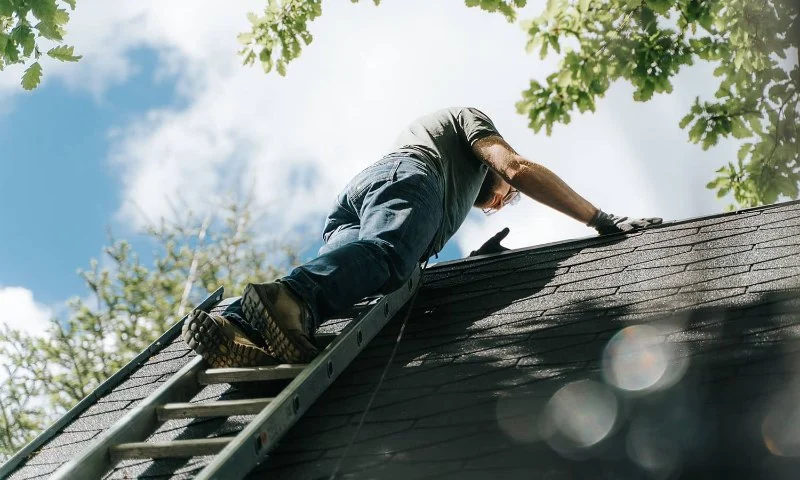
After a hailstorm, it’s crucial to schedule a professional roof inspection to assess the extent of the damage. Even if the damage isn’t immediately obvious, a thorough inspection by an experienced contractor can uncover hidden issues that could worsen over time.
2.1 Hire a Certified Roofing Contractor
Hiring a certified roofing contractor is essential to ensure that the inspection is thorough and that the damage is correctly identified. Look for contractors with experience in handling hail damage and knowledge of your specific roofing materials. They will be able to give you a detailed assessment of any necessary repairs or replacements.
2.2 Identify Hidden Damage
Hail damage isn’t always immediately visible to the untrained eye. A professional contractor will check for signs of wear on the roof that could lead to leaks and structural issues down the road. It's better to catch these problems early before they become more expensive to fix.
2.3 Review the Inspection Report
Once the inspection is complete, the contractor will provide a detailed report outlining the damage. This report can be used to support your insurance claim and give you a clearer understanding of the repairs or replacements required. Be sure to ask questions if any aspects of the report are unclear.
3. Roof Repair and Replacement Options
If your roof has sustained significant damage, you may need to consider repairs or even a full roof replacement. The decision will depend on the severity of the damage, your insurance coverage, and the age of your roof.
3.1 Repairing Minor Damage
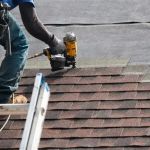
If the hail damage is minimal, such as a few missing shingles or small dents, roof repairs may be sufficient. The contractor will likely replace damaged shingles, seal any cracks, and ensure the roof is watertight to prevent further damage.
3.2 Replacing a Severely Damaged Roof
If the damage is extensive, such as large areas of missing shingles, cracked tiles, or structural issues, a full roof replacement may be necessary. This is particularly true for older roofs that may not be able to withstand the stress of severe weather. The roofing contractor will help guide you through the replacement process and assist with selecting the best roofing materials for your home.
3.3 Choosing the Right Roofing Materials
When replacing your roof after hail damage, it’s essential to choose durable materials that can withstand future storms. Options like impact-resistant shingles, metal roofing, or tile roofing can offer greater protection against hail and other extreme weather conditions. Your contractor can provide guidance on the best materials for your home and climate.
4. Common Signs of Hail Damage to Look for
After a hailstorm, it's important to check for specific signs of damage to your roof. Here are the most common indicators of hail damage:
4.1 Dents in Shingles
Hail can cause dents or divots in shingles, particularly on older roofs. These dents may be small but can compromise the integrity of the shingles, allowing water to seep in.
4.2 Cracked or Broken Shingles
Hailstones can crack or break shingles, leaving your roof vulnerable to leaks. Cracked shingles are one of the most common signs of hail damage and should be replaced immediately to prevent water infiltration.
4.3 Granule Loss
Granule loss on shingles is another telltale sign of hail damage. These granules protect the shingles from UV rays and give them their color. If you notice granules in your gutters or on the ground after a hailstorm, your shingles may be compromised.
5. How Total Roofing Hub Can Assist You with Repairs
At Total Roofing Hub, we specialize in roofing repairs and replacements after hailstorms. Our experienced team can help you navigate the insurance claims process, conduct thorough roof inspections, and provide expert repair or replacement services. Whether you need a quick fix or a complete roof overhaul, we are here to ensure your home is protected from the elements. Contact Total Roofing Hub today to get started on your roof repair project.
 Marc Joseph remodeling5.0 (1 reviews)
 PRS Roofing Inc5.0 (9 reviews)
 KAPS CONSTRUCTION4.0 (5 reviews)
 Marshall Exteriors, LLC4.0 (213 reviews)
 S.W.A.T. Roofing & Consulting4.0 (46 reviews)
 MATFI RENOVATIONS LLC5.0 (23 reviews)
 Siding Material Fire Ratings: What’s Required & What to Choose
 Roof Talk: Common Terminology Every Homeowner Should Know
 How Often Should You Replace Your Home's Siding? Expert Tips on Siding Longevity
 The Average Lifespan of Asphalt Shingle Roofs: How Long Do They Last?
 How to Choose a Reliable Roofing Contractor Near You | Top Tips and Questions
 Should I Repair or Replace My Roof? – Expert Guide for U.S. Homeowners