The Best Roofing Materials for Cold Climates
- 1. Why Roofing Materials Matter in Cold Climates
- 2. Top Roofing Materials for Cold Climates
- 3. Considerations Before Choosing Roofing Materials
- 4. Why Choose Total Roofing Hub
When it comes to maintaining your home in cold climates, selecting the right roofing material is crucial. Extreme weather conditions such as heavy snow, ice, and freezing temperatures can wreak havoc on a roof that isn't designed to handle such stresses. In this article, we’ll explore the best roofing materials for cold climates, their benefits, and how to choose the right one for your home.
1. Why Roofing Materials Matter in Cold Climates
The roof of your home is your first line of defense against the elements, and in cold climates, it faces unique challenges. Snow, ice dams, freezing temperatures, and high winds all contribute to the wear and tear that can damage a roof. It’s essential to choose roofing materials that are both durable and weather-resistant to ensure long-term protection for your home.
1.1 Resistance to Ice and Snow
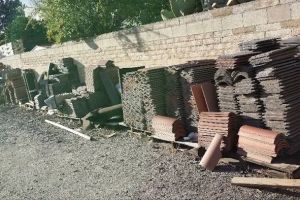
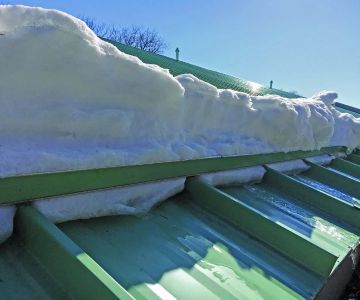
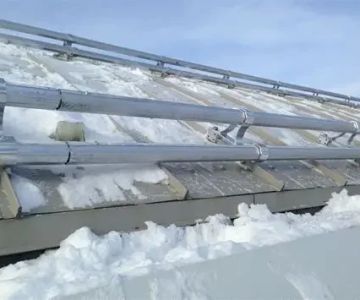
In cold climates, roofs are often covered in snow for extended periods. As the snow melts and refreezes, it can form ice dams that block proper drainage. Choosing a roofing material that resists the buildup of ice can help prevent leaks and other water damage.
1.2 Durability in Freezing Temperatures
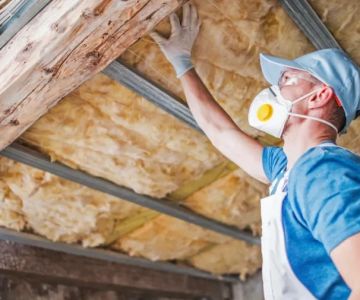
Freezing temperatures can cause materials like asphalt shingles to become brittle and crack. Other materials, such as metal roofing, are less susceptible to damage from the cold, making them a better option in areas where the temperature drops below freezing for extended periods.
2. Top Roofing Materials for Cold Climates
Now that we understand why roofing materials matter in cold climates, let's look at some of the best options available:
2.1 Metal Roofing
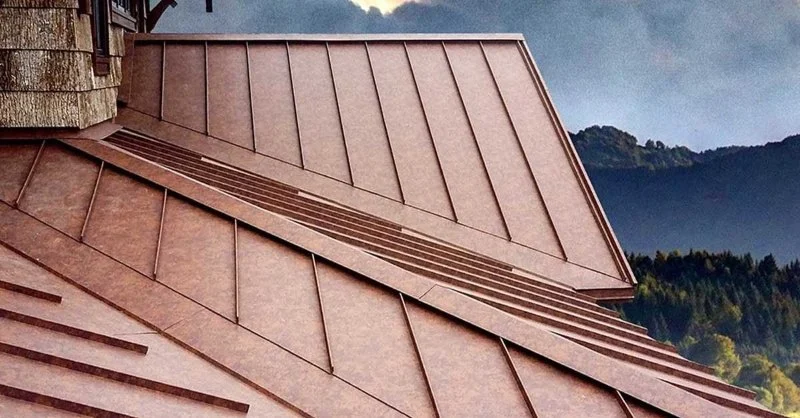
Metal roofing is one of the best options for homes in cold climates. It’s durable, long-lasting, and resistant to snow and ice buildup. Metal roofs shed snow and ice more effectively than other materials, reducing the risk of ice dams and water damage. Additionally, metal roofing is low-maintenance and energy-efficient, reflecting heat in the winter and cooling your home in the summer.
2.2 Asphalt Shingles with Proper Insulation
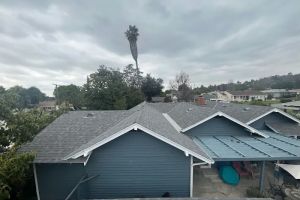
While asphalt shingles are a common roofing material, they may not perform as well in cold climates unless properly insulated. With adequate insulation and ventilation, asphalt shingles can still provide reliable protection against cold temperatures, snow, and ice. However, it’s important to ensure that your roof is designed to handle the weight of snow accumulation.
2.3 Slate Roofing
Slate is a highly durable roofing material that performs well in cold climates. It is naturally resistant to freezing temperatures and does not absorb water, which helps to prevent ice damage. Slate roofs also have a long lifespan and can handle the weight of snow and ice without issues. However, they can be expensive and require professional installation due to their weight.
2.4 Cedar Shake Roofing
Cedar shake roofing is another option that offers good insulation properties in cold climates. It provides natural thermal insulation and resists cracking in freezing temperatures. Cedar shake roofs are also aesthetically pleasing but require regular maintenance to prevent moss and algae buildup in damp, cold environments.
3. Considerations Before Choosing Roofing Materials
Before you select roofing materials for your cold climate home, it's important to consider the following factors:
3.1 Roof Slope
The pitch or slope of your roof plays a significant role in how snow and ice will behave. A steep roof is ideal for cold climates because it helps snow slide off easily, reducing the risk of ice dams and water damage.
3.2 Local Climate Conditions
Different areas experience varying weather patterns. Be sure to take into account the specific climate conditions in your region. For example, areas that experience heavy snow and ice storms may benefit from metal roofing, while regions with milder winters may be fine with asphalt shingles.
3.3 Cost vs. Longevity
While some roofing materials may have a higher initial cost, their durability and long lifespan can make them a worthwhile investment. Metal roofing and slate roofs, for example, may be more expensive upfront, but their longevity and resistance to cold weather make them a smart choice in the long run.
4. Why Choose Total Roofing Hub
At Total Roofing Hub, we offer a wide range of roofing materials that are perfect for cold climates. Whether you need durable metal roofing or energy-efficient asphalt shingles, we have the right solution for your home. Our team of experts is ready to help you choose the best roofing material for your needs, ensuring that your home is protected from the harsh winter elements.
 Skyline Designs Roofing5.0 (99 reviews)
 Perfect Roofing Installations4.0 (60 reviews)
 Dog Tags Construction LLC4.0 (16 reviews)
 Gutter Shutter of Central Maryland5.0 (9 reviews)
 Sam Cline Handyman Services4.0 (37 reviews)
 Paramount Builders Inc.4.0 (302 reviews)
 Should I Repair or Replace My Roof?
 Top 10 Signs Your Roof Needs Immediate Repair Before It’s Too Late
 The Pros and Cons of Vinyl Siding: Is It the Right Choice for Your Home?
 How to Choose a Reliable Roofing Contractor Near You – Expert Tips
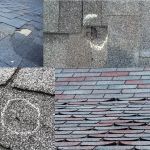 Top 10 Signs Your Roof Needs Immediate Repair You Shouldn’t Ignore
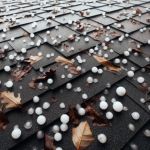 How to Spot Hail Damage on Your Roof | Quick Guide for Homeowners