
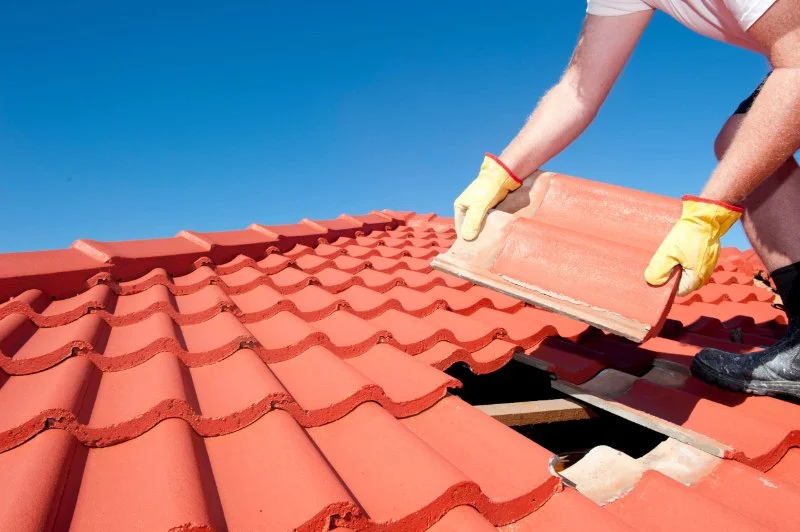
- 1- Understanding Roof Replacement
- 2- Seasonal Considerations for Roof Replacement
- 3- What’s the Best Time of Year to Replace Your Roof?
- 4- Tips for Planning Your Roof Replacement
- 5- When to Seek Professional Roofing Help
1- Understanding Roof Replacement
Replacing your roof is a significant investment in your home. Whether it's due to wear and tear, storm damage, or the age of your roofing materials, knowing when and how to replace your roof is essential to maintaining the safety and value of your home. But what’s the best time of year to tackle a roof replacement project? In this article, we’ll explore the seasonal factors that influence roof replacement timing and provide you with expert tips to help you make an informed decision.

Organic Life Construction
Los AngelesLos Angeles CountyCalifornia
515 Flower St 18 and 19 floor, Los Angeles, CA 90071, USA
2- Seasonal Considerations for Roof Replacement
When considering roof replacement, various seasonal factors come into play. Weather, temperature, and even the roofing materials you choose can all be affected by the season in which you schedule your replacement. Let’s take a closer look at these factors:

Commercial Roof Management Inc
Laguna HillsOrange CountyCalifornia
23282 Peralta Dr, Laguna Hills, CA 92653, USA
Temperature and Weather Conditions
Temperature is a crucial factor in determining the best time for roof replacement. Extremely cold or hot temperatures can affect the application of roofing materials like asphalt shingles, which are more difficult to work with in cold or high heat. Winter weather, for example, can make roofing projects more challenging due to frozen surfaces, snow, and ice.
Roofing Material Considerations
Different roofing materials have varying installation requirements. For instance, asphalt shingles perform best when installed in moderate temperatures (between 45°F and 85°F). Roofing materials like metal, however, can be installed year-round, but extreme temperatures can make the process more complicated for roofers.
3- What’s the Best Time of Year to Replace Your Roof?
When it comes to roof replacement, timing is everything. Here’s a breakdown of the best times of year to consider:
Spring and Fall: The Ideal Seasons for Roof Replacement
The best time of year for roof replacement is typically during the spring and fall. These seasons offer moderate temperatures that are ideal for roof installation. The weather is generally mild, with lower humidity and minimal risk of extreme temperatures, making it the most comfortable time for roofers and ensuring the materials are applied correctly.
Why Summer Can Be Challenging
While summer is a popular time for home improvements, roof replacement during this season can have its challenges. High temperatures can cause roofing materials, such as asphalt shingles, to become brittle or difficult to handle. Additionally, roofers might experience delays due to heat-related safety concerns. Summer storms or hurricanes can also make roofing work more dangerous and difficult to complete on schedule.
Winter Roof Replacement: A Last Resort
Winter is typically not the best time to replace your roof due to freezing temperatures and the risk of snow and ice. However, if your roof has experienced severe damage, waiting until spring or fall may not be an option. In such cases, temporary fixes may be applied until the weather improves for a full replacement. If you're dealing with a roofing emergency, make sure to hire a roofing contractor who is experienced in working in colder conditions.
4- Tips for Planning Your Roof Replacement
Here are some essential tips to consider when planning your roof replacement:
1. Schedule Early
If you're planning to replace your roof in the spring or fall, it’s important to book early. Roofers tend to be in high demand during these months, so scheduling your project ahead of time ensures you don’t get stuck waiting for availability.
2. Check Your Roof Regularly
Before deciding to replace your roof, inspect it regularly. If your roof is showing signs of wear or leaks, addressing issues early can prevent more severe damage and save you money in the long run.
3. Consider Your Budget
Roof replacement can be costly. Consider budgeting for the entire project, including unexpected repairs that may arise once the roofing team begins work. You might also want to explore financing options available through local contractors.
5- When to Seek Professional Roofing Help
Roof replacement is a complex job that requires skilled professionals. If you’re unsure about your roof’s condition or if you're experiencing issues beyond what you can handle, it’s always best to consult a roofing contractor. Here are some reasons you should seek professional help:
- If you’re unsure of your roof’s condition and need an expert opinion on whether replacement is necessary.
- If you lack the tools or experience to perform the repair or replacement safely.
- If your roof has sustained significant damage that could lead to further issues if not addressed immediately.
When seeking professional help, always choose a licensed and insured roofing contractor with a solid reputation. You can find a trusted roofing expert at Total Roofing Hub, where we connect homeowners with the best contractors in their area.
 Skyline Designs Roofing5.0 (99 reviews)
 Perfect Roofing Installations4.0 (60 reviews)
 Dog Tags Construction LLC4.0 (16 reviews)
 Gutter Shutter of Central Maryland5.0 (9 reviews)
 Sam Cline Handyman Services4.0 (37 reviews)
 Paramount Builders Inc.4.0 (302 reviews)
 Should I Repair or Replace My Roof?
 Top 10 Signs Your Roof Needs Immediate Repair Before It’s Too Late
 The Pros and Cons of Vinyl Siding: Is It the Right Choice for Your Home?
 How to Choose a Reliable Roofing Contractor Near You – Expert Tips
 Top 10 Signs Your Roof Needs Immediate Repair You Shouldn’t Ignore
 How to Spot Hail Damage on Your Roof | Quick Guide for Homeowners