- Understanding Extreme Climates and Their Impact on Siding
- Types of Siding Best for Extreme Climates
- Siding Repair Strategies for Cold, Heat, Snow, and Humidity
- Essential Siding Maintenance Tips
- Real Case Study: Siding Repair in Extreme Conditions
Understanding Extreme Climates and Their Impact on Siding
When it comes to protecting your home, the type of siding you choose plays a crucial role, especially in regions with extreme climates. Harsh conditions such as extreme cold, scorching heat, heavy snow, and high humidity can take a toll on siding materials, causing premature wear and damage. Understanding how these elements affect your siding is essential for making informed decisions on repairs and replacements.
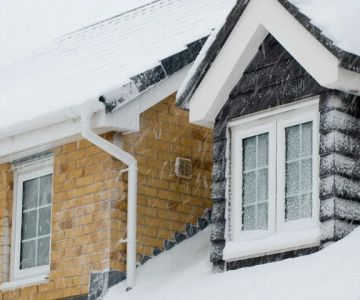
Cold temperatures can lead to cracking and warping in certain materials, while high heat can cause materials like vinyl to warp or fade. Snow and ice accumulation can also lead to moisture penetration, causing mold and mildew growth. Additionally, areas with high humidity can cause wood siding to swell or rot over time. To ensure your siding can withstand these conditions, regular maintenance and timely repairs are essential.
Double Down Roofing and Restoration
238 Watts Ln, Canyon Lake, TX 78133, USA
Types of Siding Best for Extreme Climates
Different siding materials offer varying levels of durability and protection against extreme weather. Choosing the right siding for your climate can make a significant difference in the longevity and maintenance of your home. Here are some of the best siding options for extreme climates:
1. Fiber Cement Siding
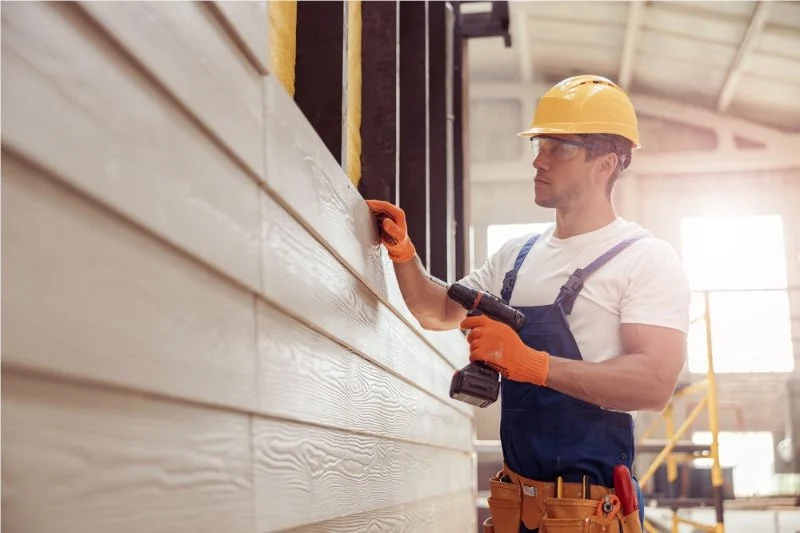
Fiber cement is known for its ability to withstand extreme temperatures, both hot and cold. It's resistant to fire, pests, and rot, making it an excellent choice for regions with fluctuating temperatures and high humidity. This siding material is also highly durable against snow and ice damage, making it ideal for cold climates.
2. Vinyl Siding
Vinyl siding is one of the most popular choices for homes in areas with extreme weather. It is affordable, durable, and resistant to moisture and rot. However, vinyl can crack in extreme cold and may warp in high heat. For homeowners in particularly hot climates, it's important to choose high-quality vinyl that is UV resistant and designed to withstand temperature fluctuations.
3. Wood Siding
Wood siding offers natural beauty but requires regular maintenance to perform well in extreme climates. In hot and humid areas, wood can swell, warp, or rot if not properly treated. In cold climates, it can crack due to freezing and thawing. However, with proper sealing and maintenance, wood siding can still perform well in harsh conditions, offering excellent insulation properties and a rustic charm.
4. Metal Siding
Metal siding, such as aluminum and steel, is highly durable and resistant to fire, rot, and pests. It's an excellent choice for homes in both hot and cold climates as it can withstand heat without warping and remains resistant to freezing temperatures. Metal siding also handles snow and ice accumulation well, making it suitable for areas prone to winter weather.
Siding Repair Strategies for Cold, Heat, Snow, and Humidity
When your siding is damaged by extreme weather conditions, timely repairs are essential to prevent further issues. Below are effective repair strategies for addressing common siding problems caused by cold, heat, snow, and humidity:
1. Cold Weather Damage
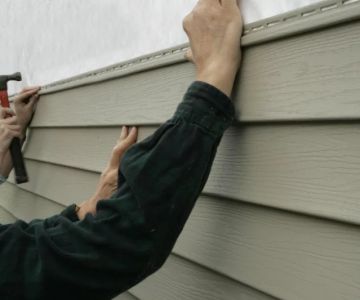
Cold weather can cause certain siding materials, like vinyl and wood, to crack or become brittle. If you notice cracks or holes, it's essential to replace or repair the affected panels quickly. For vinyl siding, avoid using hard tools that could further damage the material. Instead, use caulk or a vinyl repair kit to seal small cracks. For wood siding, ensure that the boards are properly sealed and painted to prevent moisture from seeping in and causing rotting.
2. Heat Damage
High heat can cause vinyl siding to warp or fade. If you notice warping or discoloration, you may need to replace the damaged panels or repaint them with UV-resistant paint. For homes in particularly hot areas, consider using heat-resistant siding materials like fiber cement or metal to prevent further damage.
3. Snow and Ice Damage
Snow and ice can cause serious issues, especially if they are allowed to accumulate on your siding for long periods. Ensure that gutters are clear of debris to prevent ice dams from forming, which can cause water to back up behind the siding. For severe ice or snow damage, you may need to replace affected panels or apply caulking to seal any gaps.
4. Humidity and Moisture Damage
In areas with high humidity, moisture can penetrate wooden siding, causing rot. Regularly inspect your wood siding for signs of swelling, mold, or decay. Use a moisture-resistant sealant to prevent further damage and consider replacing any damaged sections. For homes with vinyl or metal siding, ensure that the panels are properly sealed to prevent water from seeping in and causing mold growth.
Essential Siding Maintenance Tips
Regular maintenance is key to ensuring your siding remains durable and functional in extreme climates. Follow these maintenance tips to prolong the life of your siding:
1. Clean Your Siding Regularly
Whether you have vinyl, wood, or metal siding, regular cleaning helps prevent dirt, debris, and mold buildup. Use a power washer for vinyl and metal siding, but be careful not to damage the material with high pressure. For wood siding, use a soft brush and mild detergent to avoid damaging the surface.
2. Inspect for Damage
Periodically inspect your siding for signs of damage caused by extreme weather. Look for cracks, holes, or warped panels, and address any issues promptly. Early repairs can prevent costly replacements down the line.
3. Reseal and Repaint as Needed
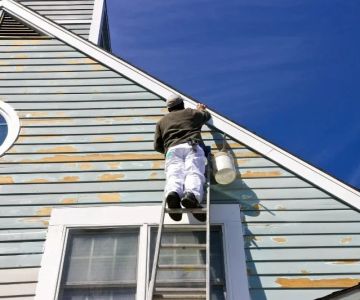
Wood siding requires regular resealing to protect it from moisture damage. Repaint wood siding every few years to maintain its appearance and protective layer. For vinyl and metal siding, touch up any faded or chipped areas to maintain the material's appearance and protect against UV damage.
Real Case Study: Siding Repair in Extreme Conditions
In a recent case, a homeowner in the northern U.S. faced severe winter conditions, including heavy snow and freezing temperatures. The home’s wood siding had suffered from moisture infiltration and rotting in certain sections. The homeowner worked with a professional siding contractor to replace the damaged panels with durable fiber cement siding, which is resistant to freezing and thawing. After the repair, the home was better equipped to handle future snowstorms and cold temperatures, providing peace of mind and long-term protection.
This case shows how choosing the right siding material and addressing repairs in a timely manner can significantly improve a home’s durability against extreme weather. Working with experts like those at Pro Found Roofing can help you select and maintain the best siding for your climate.
 Central Alabama Metal-Roofing3.0 (2 reviews)
 Hometown Roofing Pros5.0 (8 reviews)
 Metro West Contracting Corp.5.0 (1 reviews)
 Best Team Roofing & Exteriors4.0 (58 reviews)
 Chavez Family Roofing4.0 (62 reviews)
 River City Roofing4.0 (13 reviews)
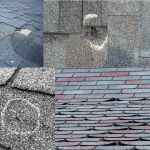 Top 10 Signs Your Roof Needs Immediate Repair – Expert Roof Repair Tips
 The Best Roofing Materials for Cold Climates That Protect Your Home
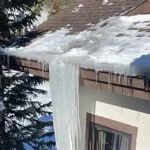 What Is an Ice Dam, How It Forms, and How to Prevent It on Your Roof
 Top 10 Signs Your Roof Needs Immediate Repair | Total Roofing Hub
 How Long Do Asphalt Shingles Last? Learn About Their Lifespan
 How to Maintain Your Siding Year Round for Optimal Home Protection