
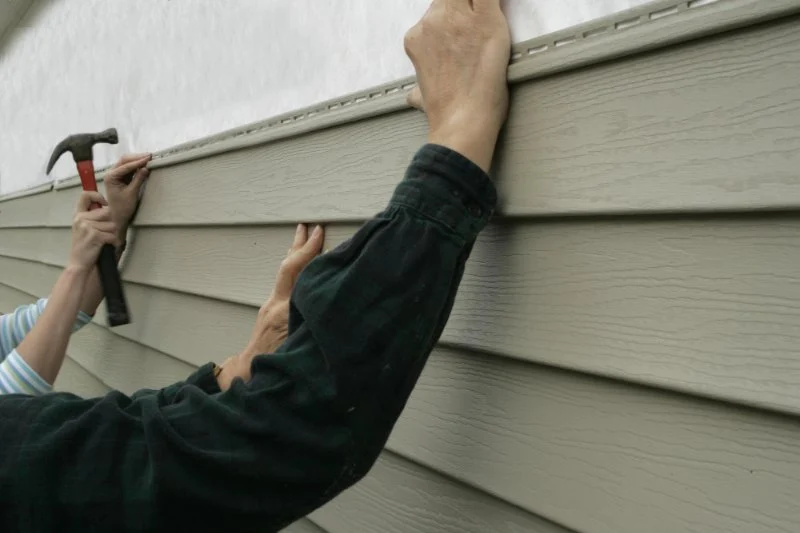
How Roof and Siding Work Together to Protect Your Home Envelope
Your home’s "envelope" refers to the exterior layers that protect you from the elements—this includes your roof, siding, windows, and doors. Among these, the roof and siding work in tandem to keep your home safe, dry, and energy-efficient. Understanding how they function together can help you maintain your home and avoid costly repairs. In this article, we’ll explain how roof and siding interact, why both are essential for your home’s protection, and what you can do to ensure they’re performing at their best.
- 1. The Role of Roofing in Home Protection
- 2. The Function and Importance of Siding
- 3. How Roof and Siding Work Together
- 4. Tips for Maintaining Your Roof and Siding
1. The Role of Roofing in Home Protection
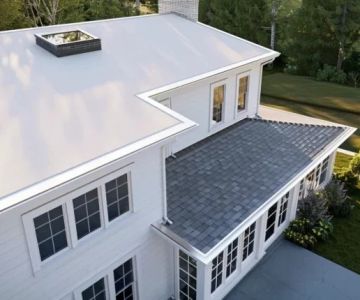
The roof is your home’s primary line of defense against the elements. It shields your home from rain, snow, wind, and sun. Roofs come in various materials, including asphalt shingles, metal, slate, and clay tiles, each offering different levels of durability, insulation, and aesthetic appeal.
Key functions of a roof include:
- Waterproofing: A well-maintained roof prevents water from entering your home, which can lead to mold, mildew, and structural damage.
- Insulation: Your roof plays a critical role in regulating the temperature inside your home. Good insulation in the attic prevents heat loss in winter and keeps your home cool in the summer.
- Protecting Against UV Rays: Roofs shield the structure and interior from harmful UV rays that can degrade materials and fade your home’s interior.
2. The Function and Importance of Siding
Siding is the outer covering of your home that adds another layer of protection against the elements. It not only enhances the appearance of your home but also serves several crucial functions:
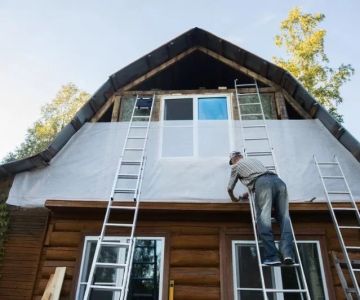
- Weatherproofing: Siding prevents rain, snow, and wind from infiltrating the walls of your home. Properly installed siding acts as a barrier that deflects moisture.
- Energy Efficiency: Siding contributes to the overall insulation of your home. It helps keep the warm air in during the winter and cool air inside during the summer.
- Aesthetic Value: Siding materials like vinyl, wood, fiber cement, and brick come in a variety of styles and colors, allowing you to choose an option that complements your home’s architectural design.
3. How Roof and Siding Work Together
While each component—roof and siding—has its individual function, they work together to protect your home. Here's how:
- Water Resistance: Both the roof and siding are designed to direct water away from your home. The roof handles the rain and snow that fall from above, while the siding protects the walls by preventing moisture from penetrating the structure. When installed correctly, they create a seamless barrier that keeps water from entering your home.
- Airflow and Ventilation: The combination of a well-ventilated roof and siding helps to maintain optimal airflow in your home. This balance of airflow can help prevent issues like condensation buildup that could cause mold or mildew.
- Temperature Regulation: As both the roof and siding contribute to insulation, they work together to regulate the internal temperature of your home. A well-insulated roof keeps hot air inside during the winter, while energy-efficient siding helps keep the summer heat at bay.
4. Tips for Maintaining Your Roof and Siding
Maintaining both your roof and siding is essential for ensuring that they continue to work effectively. Here are some tips:
- Inspect Regularly: It’s important to check your roof and siding regularly for signs of wear and tear. Look for cracked shingles, missing pieces, or any visible holes in the siding that could allow moisture to enter.
- Clean Gutters: Ensure that your gutters are clear of debris so that water can flow freely. Clogged gutters can lead to water backing up under the roof, which may result in leaks or water damage.
- Seal Cracks and Joints: Over time, small cracks and gaps may form in the siding. Use caulk or sealant to fill in these gaps and prevent water infiltration.
- Replace Damaged Materials: If you notice that shingles or sections of siding are damaged beyond repair, it’s crucial to replace them promptly to maintain the protective layer of your home.
By regularly maintaining both your roof and siding, you can ensure that your home stays protected from the elements and remains energy-efficient. Proper care will also extend the lifespan of both systems, saving you money on costly repairs in the long run.
For more expert advice and services on roof and siding installation and maintenance, visit Total Roofing Hub.

 Penney Brothers Construction4.0 (168 reviews)
 H C Wilkinson Co4.0 (31 reviews)
 Jure Roofing And Solar4.0 (12 reviews)
 Ozinga Roof & Gutter Systems LLC3.0 (44 reviews)
 Eastern Mountain Contracting, LLC5.0 (2 reviews)
 SOS Roofing & Construction Inc.4.0 (44 reviews)
 Should I Repair or Replace My Roof?
 Roof Re-Roofs or Layovers: Pros, Cons & Codes Explained
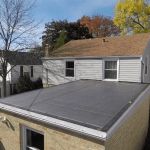 Roof Replacement for Flat Roofs: Drainage & Material Considerations | Total Roofing Hub
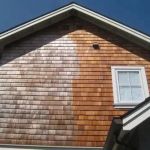 Siding Material Maintenance for Maple Wood, Cedar, and Composite
 DIY vs Professional Roof Replacement: What’s Safer & More Cost-Effective
 How to Choose a Reliable Roofing Contractor Near You | Expert Tips