
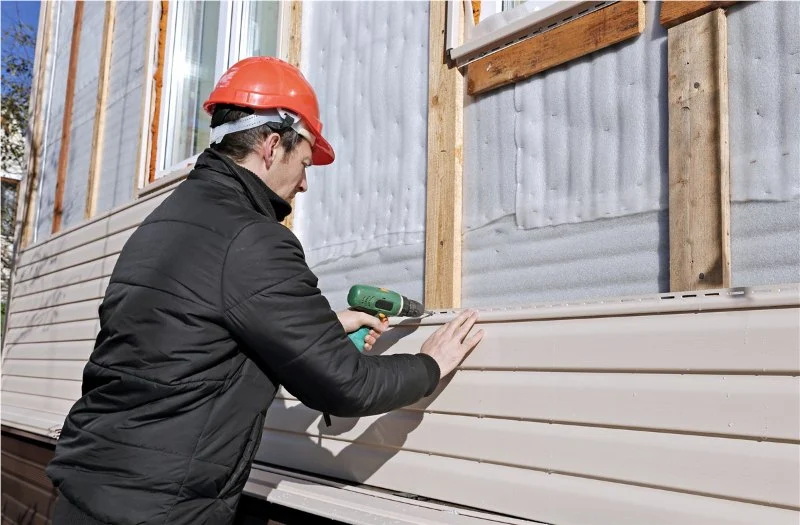
Siding Repair Timing: Why Season & Weather Matter
When it comes to siding repair, timing is everything. Many homeowners may not realize that the season and weather conditions play a crucial role in the success and longevity of their siding repairs. Whether you’re dealing with damaged vinyl, wood, or fiber cement siding, understanding how different weather patterns affect the repair process can help you make informed decisions and ensure your home’s exterior is well-protected.
- Why Weather Affects Siding Repair
- The Ideal Season for Siding Repair
- Risks of Repairing Siding in Bad Weather
- How to Prepare for Siding Repair
- Choosing the Right Siding Material for Your Climate
- Final Thoughts
1. Why Weather Affects Siding Repair
The success of your siding repair can depend heavily on the weather at the time of installation. Extreme temperatures, high humidity, and rain can all interfere with the materials used for siding, making the repair process more difficult and possibly leading to poor results. Understanding these factors will help you choose the best time to repair or replace your siding.
RickJohn Roofing
PittsburghAllegheny CountyPennsylvania
1006 Washington Blvd, Pittsburgh, PA 15206, USA
1.1 Temperature and Material Expansion
Materials such as vinyl, wood, and fiber cement can expand or contract with temperature changes. This means that siding installed in extremely hot or cold weather may not fit properly, leading to potential gaps, warping, or cracking down the line. Siding repair during moderate temperatures ensures that the material doesn’t shrink or expand too much, resulting in a secure and long-lasting installation.

Tappan Z Home Improvement
White PlainsWestchester CountyNew York
21 Prospect St, White Plains, NY 10605, USA
1.2 Humidity and Moisture
High humidity levels or rainy conditions can affect the curing process of adhesives, paints, and sealants. For example, if you’re installing or repairing wood siding, moisture can cause the wood to warp or swell. In damp conditions, the adhesive may not bond properly, compromising the durability of the repair.
2. The Ideal Season for Siding Repair
While siding repairs can technically be done at any time of the year, certain seasons are better suited for ensuring high-quality results. The best seasons for siding repairs are generally spring and fall, as the weather conditions tend to be more stable.
2.1 Spring: The Best Time for Siding Repairs
Spring is an ideal time for siding repairs due to moderate temperatures and lower chances of extreme weather. In many regions, temperatures range between 50°F to 75°F (10°C to 24°C), which is perfect for siding materials to expand and contract without risk. Additionally, spring offers dry weather, making it easier to get the work done without delays due to rain.
2.2 Fall: Another Great Option
Fall is another excellent time for siding repair. Like spring, fall brings cooler, consistent temperatures that ensure a tight, proper installation. Additionally, contractors are often less busy after the summer rush, so you may find scheduling flexibility. Fall also provides the benefit of avoiding the harsh conditions of winter or the high heat of summer.
3. Risks of Repairing Siding in Bad Weather
While siding repairs can be done in any season, doing them during extreme weather conditions can lead to several issues. Here are some of the risks associated with repairing siding in less-than-ideal weather:
3.1 Winter: Cold Temperatures and Ice
Winter is generally the least favorable time for siding repairs, especially in regions with freezing temperatures. Cold weather can cause materials to become brittle or difficult to manipulate. In addition, ice and snow can create hazardous working conditions and delays in completing the job. Adhesives and paints may also struggle to cure in cold weather, leading to longer drying times and weaker bonds.
3.2 Summer: Extreme Heat and UV Damage
While summer offers warmer weather, the intense heat can actually pose a risk to siding repairs. Vinyl siding, for example, can warp or melt if exposed to excessive heat. High UV exposure can also lead to premature fading or cracking, especially if new paint or sealants are applied in the sun. Additionally, hot weather can make working conditions uncomfortable for contractors, possibly leading to rushed or suboptimal results.
4. How to Prepare for Siding Repair
Proper preparation is essential for ensuring that your siding repair is successful, regardless of the season. Here’s how you can get ready:
4.1 Schedule in Advance
Scheduling your siding repair in advance, especially in the spring or fall, ensures that contractors are available and weather conditions are optimal. Waiting too long can result in delays, particularly if you're aiming for repairs during the summer or winter months when demand is high.
4.2 Clear the Area Around Your Home
Make sure the area around your home is clear of obstacles that could interfere with the repair process. Move any outdoor furniture, decorations, or plants out of the way to allow contractors easy access to the siding. This will help ensure that the repair process goes smoothly and without any unnecessary delays.
4.3 Choose Quality Materials
Choosing high-quality siding materials that are designed to withstand local weather conditions can improve the longevity of your repairs. Be sure to work with a reputable contractor to select materials that will perform well in your area’s climate.
5. Choosing the Right Siding Material for Your Climate
Different types of siding materials perform better in different climates. Here’s a quick guide to help you choose the best option for your home:
5.1 Vinyl Siding
Vinyl is an affordable and durable siding material that works well in many climates. It’s resistant to moisture and doesn't warp easily, making it a good choice for both hot and cold climates. However, it can become brittle in extreme cold, so it’s best used in areas with moderate winters.
5.2 Wood Siding
Wood siding offers a classic, natural look but requires regular maintenance, particularly in areas with high humidity or extreme temperature changes. It’s best suited for regions with milder climates, as it can be susceptible to rot, warping, and fading in harsh weather conditions.
5.3 Fiber Cement Siding
Fiber cement siding is a versatile and durable option that works well in a variety of climates. It’s resistant to both moisture and extreme temperatures, making it an excellent choice for areas prone to heavy rainfall or drastic temperature fluctuations.
6. Final Thoughts
When it comes to siding repairs, choosing the right timing based on season and weather is crucial for a successful outcome. While spring and fall are ideal times for siding repair, it’s important to understand the risks of repairing siding during extreme weather conditions. By planning ahead, selecting the right materials, and preparing your home for the repair, you can ensure that your siding remains in excellent condition for years to come.
If you're looking for expert guidance on your siding repairs or need quality materials, visit Total Roofing Hub for the best products and services tailored to your needs.

 BELEMOR CONSTRUCTION4.0 (11 reviews)
 A Plus Roofing4.0 (16 reviews)
 Evanoff & Son Roofing0.0 (0 reviews)
 Builders FirstSource4.0 (38 reviews)
 Top Flight Exteriors, LLC1.0 (1 reviews)
 Excelon Construction -Brownstone and Exterior facade Restoration | Roofing |Waterproofing | Brooklyn NY5.0 (38 reviews)
 Everything You Need to Know About Roof Warranties: A Complete Guide for Homeowners
 Should I Repair or Replace My Roof?
 Roof Damage Hidden Behind Drywall or Interior Ceilings: How to Detect and Prevent It
 How Roof Pitch & Overhang Protect Exterior Walls: Key Benefits Explained
 How to Choose a Reliable Roofing Contractor Near You – Expert Tips
 How to Spot Hail Damage on Your Roof and What to Do About It