
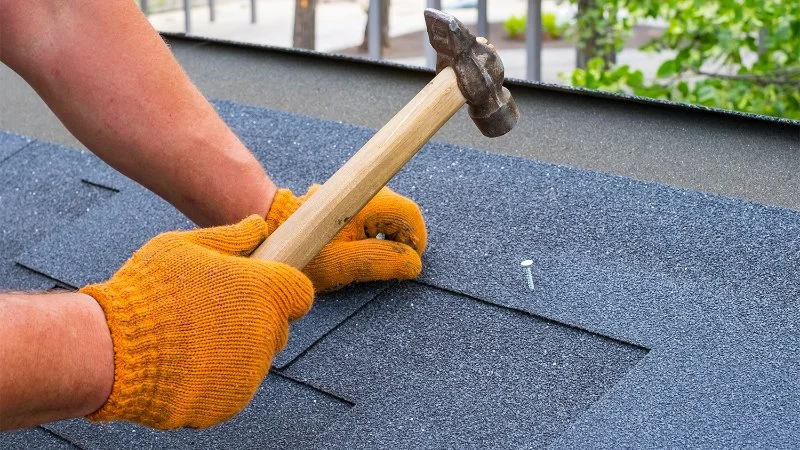
- 1. Introduction to Asphalt Shingle Damage
- 2. Common Types of Winter Freeze Damage to Asphalt Shingles
- 3. Safety First: How to Prepare for Shingle Repair
- 4. Step-by-Step Guide to Repairing Asphalt Shingles
- 5. Essential Tools for Shingle Repair
- 6. Tips for Ensuring Long-Lasting Repairs
- 7. When to Call a Professional for Roof Repairs
1. Introduction to Asphalt Shingle Damage
Winter freezes can wreak havoc on your roof, particularly if you have asphalt shingles. The freezing temperatures and ice accumulation can cause significant damage, leading to leaks and further degradation if left unchecked. Learning how to properly repair asphalt shingles after winter freeze damage not only helps restore your roof but also prevents future issues. This guide will walk you through everything you need to know about fixing your roof and ensuring long-lasting results.

M&M landscaping and maintenance services
1617 Heritage Park Rd, Prescott, AZ 86301, USA
2. Common Types of Winter Freeze Damage to Asphalt Shingles
Winter freeze damage to asphalt shingles typically manifests in a few common ways:
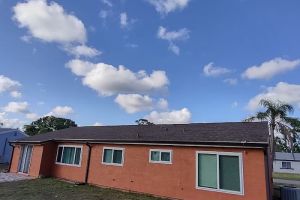
Guy Brothers Roofing
Punta GordaCharlotte CountyFlorida
28041 Airpark Dr Unit 110, Punta Gorda, FL 33982, USA
2.1 Cracks and Splits
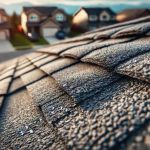
When ice forms on the surface of your shingles, it can seep into tiny cracks and expand. This expansion can cause the shingles to split or crack, weakening the material and creating potential entry points for water. These cracks are among the most common signs of freeze damage.
2.2 Curling and Lifting
As temperatures fluctuate during the winter months, shingles may curl at the edges or lift away from the roof. This occurs as moisture trapped beneath the shingles freezes and expands, forcing the shingles to deform. Once the shingles are lifted, they are no longer able to protect the roof from leaks.
2.3 Granule Loss
When shingles freeze and thaw repeatedly, the granules on the surface can become loose and wash away. These granules protect your shingles from UV rays, and their loss can lead to premature aging and further damage.
3. Safety First: How to Prepare for Shingle Repair
Before you begin any repair work, safety should always be your top priority. Roof repairs can be dangerous, especially if you’re working at heights. Here's how to prepare:
3.1 Use Proper Equipment
Ensure that you have the proper safety gear, including a sturdy ladder, roof harness, and non-slip shoes. Always work with a partner when possible, especially if you're climbing onto a steep roof.
3.2 Check the Weather
Choose a day with mild weather to do your repairs. Avoid working during rain or freezing temperatures, as these conditions can make the roof slippery and dangerous.
3.3 Inspect the Roof
Before starting the repairs, inspect the entire roof for any additional damage that may need attention. Look for loose or missing shingles, and assess the overall condition of your roof.
4. Step-by-Step Guide to Repairing Asphalt Shingles
Now that you’ve prepared for safety, let’s go over the steps to repair your asphalt shingles after winter freeze damage:
4.1 Remove Damaged Shingles
Start by carefully lifting the damaged shingles using a flat pry bar. Remove the nails securing the shingles, and gently pull them off the roof. Be careful not to damage surrounding shingles during this process.
4.2 Apply Roof Cement
Once the damaged shingles are removed, apply a layer of roof cement to the area. This will help secure the new shingles and prevent water from leaking through the roof.
4.3 Install New Shingles
Place the new shingles in the spot where the old ones were removed. Align the shingles properly with the existing ones to ensure a seamless look. Use roofing nails to secure them in place.
4.4 Seal the Edges
After the new shingles are in place, apply a bit of roof cement along the edges to seal the shingles and prevent future damage from moisture and wind.
5. Essential Tools for Shingle Repair
Having the right tools is essential for a successful repair. Here’s what you’ll need:
- Flat pry bar
- Roofing nails
- Roof cement or sealant
- Sturdy ladder
- Non-slip shoes
- Roofing shingles
6. Tips for Ensuring Long-Lasting Repairs
To make sure your repairs last, consider the following tips:
6.1 Regular Inspections
Regularly inspect your roof, especially after harsh weather. Early detection of potential issues can prevent costly repairs down the road.
6.2 Maintain Gutters
Keep your gutters clean and free of debris to prevent water from pooling on the roof and causing further damage to your shingles.
6.3 Use High-Quality Materials
When replacing shingles, use high-quality materials that can withstand extreme weather conditions. Quality materials ensure longer-lasting protection and help maintain the integrity of your roof.
7. When to Call a Professional for Roof Repairs
While DIY repairs can be effective for minor issues, there are times when it's best to call a professional:
7.1 Large Areas of Damage
If a large portion of your roof is damaged, it may be more cost-effective and safer to hire a professional to handle the repair.
7.2 Structural Issues
If you notice significant sagging, leaks, or structural damage, it’s best to consult a roofing expert to avoid further complications.
Repairing asphalt shingles after winter freeze damage is essential to maintaining the health of your roof. By following the proper steps and using the right tools, you can ensure that your roof stays in good shape for years to come. For more help and the best roofing materials, check out Total Roofing Hub.
 Marc Joseph remodeling5.0 (1 reviews)
 PRS Roofing Inc5.0 (9 reviews)
 KAPS CONSTRUCTION4.0 (5 reviews)
 Marshall Exteriors, LLC4.0 (213 reviews)
 S.W.A.T. Roofing & Consulting4.0 (46 reviews)
 MATFI RENOVATIONS LLC5.0 (23 reviews)
 Siding Material Fire Ratings: What’s Required & What to Choose
 Roof Talk: Common Terminology Every Homeowner Should Know
 How Often Should You Replace Your Home's Siding? Expert Tips on Siding Longevity
 The Average Lifespan of Asphalt Shingle Roofs: How Long Do They Last?
 How to Choose a Reliable Roofing Contractor Near You | Top Tips and Questions
 Should I Repair or Replace My Roof? – Expert Guide for U.S. Homeowners