Siding for Today’s Homeowners: Trends in Color & Material
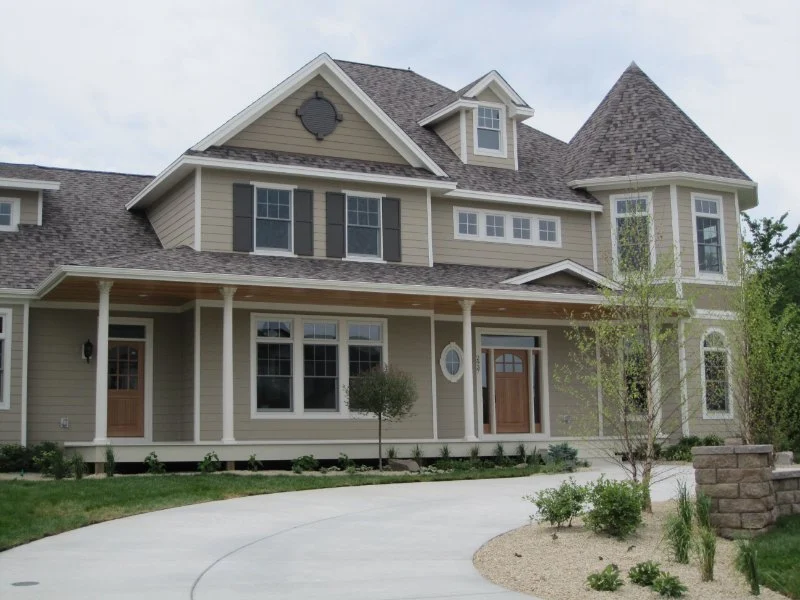
When it comes to upgrading your home’s exterior, siding is one of the most impactful choices you can make. Not only does it protect your home from the elements, but it also defines your home’s curb appeal. In recent years, homeowners have become more discerning about their siding choices, focusing on both functionality and aesthetic appeal. This article explores the latest trends in siding color and material for today’s homeowners, helping you make the best decision for your home’s exterior.
- 1. Popular Siding Materials for 2025
- 2. Trending Siding Colors
- 3. Sustainable Siding Options
- 4. Low-Maintenance Siding Solutions
- 5. How to Choose the Right Siding for Your Home
1. Popular Siding Materials for 2025
Choosing the right material for your siding is essential for both the longevity and appearance of your home. Over the past few years, several materials have emerged as favorites for homeowners, offering a blend of style, durability, and energy efficiency. Here are some of the most popular siding materials for 2025:
Fiber Cement: Known for its durability, fiber cement siding offers a versatile option that can mimic the look of wood or stucco. It's resistant to termites, rot, and fire, making it a great choice for homeowners looking for longevity.
Vinyl Siding: Vinyl remains one of the most popular choices due to its affordability, variety of colors, and low maintenance. Modern vinyl siding is more durable and energy-efficient than ever before, making it a great choice for homeowners on a budget.
Wood Siding: For those seeking a more traditional look, wood siding continues to be a classic choice. While it requires more maintenance, wood siding can add a natural, warm aesthetic to a home’s exterior. New treatments and finishes have also improved its durability and resistance to weather damage.
2. Trending Siding Colors
When selecting siding color, it’s important to consider both the home’s architecture and the surrounding environment. The colors you choose can elevate your home’s curb appeal and reflect your personal style. Here are some of the latest trends in siding colors:
Neutral Tones: Neutral colors like shades of gray, beige, and white remain incredibly popular because they complement a variety of architectural styles. These colors create a clean, timeless look that works well with both modern and traditional designs.
Bold Accents: Homeowners are increasingly experimenting with bold accent colors for their siding, such as deep blues, rich greens, and even blacks. These colors make a statement and are often used to highlight features such as windows or doors, adding depth and contrast to the home’s exterior.
Earthy and Natural Shades: Inspired by nature, earthy tones like warm browns, clay reds, and olive greens are becoming increasingly popular. These colors evoke a sense of calm and connection to the natural world, making them perfect for homes surrounded by nature or rustic landscapes.

3. Sustainable Siding Options
With environmental awareness at an all-time high, many homeowners are turning to eco-friendly siding materials that are both sustainable and energy-efficient. Here are some options that allow you to reduce your environmental footprint:
Recycled Materials: Some siding materials, such as vinyl, can be made from recycled plastics, reducing the environmental impact. Many manufacturers now offer siding made from post-consumer recycled materials, making it easier than ever to go green without compromising on style.
Wood Siding with Sustainable Practices: For those who prefer natural wood, choosing sustainably sourced wood, such as FSC-certified options, ensures that your siding comes from responsibly managed forests. This reduces deforestation and helps preserve the environment.
Energy-Efficient Insulated Siding: Insulated vinyl siding not only helps reduce heating and cooling costs but also lowers the amount of energy your home uses. This makes it a great choice for homeowners looking to cut down on energy consumption while enhancing their home’s aesthetic appeal.
4. Low-Maintenance Siding Solutions
One of the biggest concerns for homeowners is the amount of time and money required for maintenance. Thankfully, modern siding materials offer solutions that are not only durable but also require minimal upkeep. Here's a look at some of the low-maintenance options available:
Fiber Cement: Fiber cement siding requires very little maintenance compared to wood siding. It’s resistant to rot and termites, and unlike vinyl, it doesn’t fade or warp over time. A simple wash with a hose is often all that’s needed to keep it looking fresh.
Vinyl Siding: Vinyl siding is known for its low-maintenance nature. It doesn't require painting or staining, and it resists fading, cracking, and peeling. Regular cleaning with soap and water is enough to keep it looking like new.
5. How to Choose the Right Siding for Your Home
Choosing the right siding for your home depends on several factors, including your budget, climate, and aesthetic preferences. Here are some tips to help you make an informed decision:
Consider Your Climate: If you live in an area prone to extreme weather, choose siding materials that can withstand wind, rain, and snow. Fiber cement and vinyl are great choices for harsh climates, while wood may be better suited for milder environments.
Factor in Longevity: If you're looking for a long-term investment, fiber cement or stone veneer siding may be the best option. These materials can last for decades with minimal maintenance.
Match Your Style: Choose a siding material and color that complement your home's architecture. For modern homes, sleek finishes like metal or fiber cement work well, while traditional homes may benefit from the warmth of wood or stone siding.
If you're unsure about which siding material is best for your home, Total Roofing Hub offers expert guidance and a wide selection of siding options to help you achieve the look and durability you want.

 Michael Pittman and Son Roofing Inc5.0 (23 reviews)
 Maine Roofing Scapes & Repairs1.0 (5 reviews)
 A.P. Roofing and Siding4.0 (66 reviews)
 ELR Roofing LLC4.0 (16 reviews)
 Dominion Roofing Co4.0 (34 reviews)
 Mastercraft Ventures LLC5.0 (38 reviews)
 How Much Does It Cost to Repair or Replace a Roof?
 Siding Material Maintenance in Maple Wood, Cedar or Composite: Tips for Long-Lasting Protection
 Siding vs Stucco: Which Is Better for Your Home?
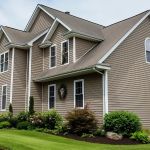 How Roof & Siding Color Choices Affect Curb Appeal & Resale Value
 How to Spot Hail Damage on Your Roof: Tips for Homeowners
 How to Spot Hail Damage on Your Roof