
- 1- Introduction
- 2- The Importance of Roofing Underlayment
- 3- When Should You Replace Roofing Underlayment?
- 4- How to Replace Roofing Underlayment
- 5- Real-Life Case: Underlayment Replacement and Roof Longevity
1- Introduction
Roofing underlayment is a crucial layer of protection for your roof that helps prevent water infiltration and provides an extra barrier against the elements. While many homeowners focus on the outer shingles, the underlayment plays a vital role in ensuring the longevity and performance of your roof. Over time, roofing underlayment can deteriorate, and knowing when it’s necessary to replace it is essential for maintaining the integrity of your roof. In this article, we’ll explore the importance of roofing underlayment, how to recognize signs of damage, and when it’s time for a replacement.

Precision Painting Plus of Los Angeles
Beverly HillsLos Angeles CountyCalifornia
8383 Wilshire Blvd Suite 800, #840, Beverly Hills, CA 90211, USA
2- The Importance of Roofing Underlayment
Roofing underlayment serves as an essential component of your roof’s overall performance. Positioned between the roofing material (such as shingles) and the roof deck, underlayment acts as a waterproof barrier that protects against leaks, ice dams, and moisture buildup. It also provides additional insulation and helps improve the energy efficiency of your home. Without proper underlayment, even the best roofing materials could fail prematurely, leading to costly repairs.

1. Waterproofing and Protection
Underlayment acts as a waterproof membrane that prevents rain, snow, and other moisture from seeping through your roof. This is especially important during heavy rainstorms or winter months when ice and snow accumulation can cause leaks if the roof is not properly protected. The underlayment’s waterproofing function is what helps keep the interior of your home safe from water damage.
2. Added Durability
Good quality underlayment extends the lifespan of your roof by providing an extra layer of protection. It prevents damage from harsh weather conditions like strong winds, hail, and high temperatures, all of which can contribute to premature roof failure.
3- When Should You Replace Roofing Underlayment?
Roofing underlayment doesn’t last forever. Over time, it may deteriorate due to exposure to moisture, UV rays, and temperature changes. Here are a few signs that it’s time to replace your roofing underlayment:
1. Leaks or Water Damage
Water stains on your ceiling or walls are often the first indication of a roof leak. While leaks can be caused by various factors, damaged or deteriorating underlayment is often the culprit. If you notice water damage inside your home, it's crucial to inspect the underlayment for any signs of wear or failure.
2. Age of the Roof
If your roof is over 15-20 years old, the underlayment may have reached the end of its lifespan. Even if there are no visible signs of damage, it may be a good idea to have the underlayment inspected by a professional. Over time, the materials used for underlayment can degrade, especially in climates with extreme weather conditions.
3. Curling or Buckling Shingles
If you notice that your shingles are curling or buckling, this could indicate that the underlayment is no longer providing adequate support. This is often a sign of moisture accumulation or heat damage, which can weaken the underlayment and lead to shingle damage. Replacing the underlayment in this case can prevent further damage to the roof structure.
4. Visible Damage or Deterioration
Sometimes the damage to the underlayment is visible from the outside. If you see areas of the roof that appear to be worn, discolored, or torn, it may be time to replace the underlayment. In severe cases, the underlayment may become brittle and crack, leading to compromised protection.
4- How to Replace Roofing Underlayment
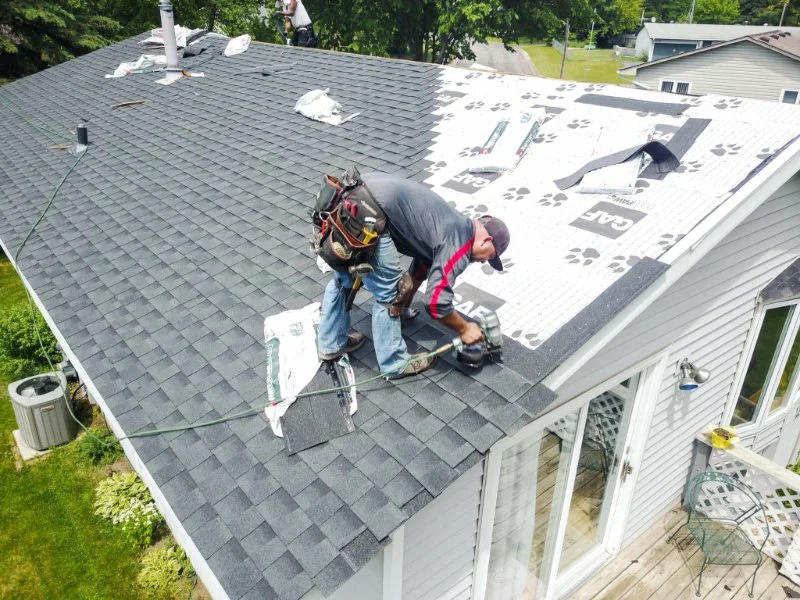
Replacing roofing underlayment requires removing the existing shingles and underlayment and then installing new material. Here's a step-by-step guide on how it’s done:
1. Inspect the Roof and Remove Shingles
Start by thoroughly inspecting the roof to identify damaged sections. Remove any shingles that are still in place, starting from the top of the roof. Make sure to remove any nails or staples holding the shingles and underlayment in place.
2. Install New Underlayment
Once the old underlayment has been removed, install the new material. Most roofing contractors use a synthetic or felt underlayment. Lay the new underlayment in overlapping rows to ensure full coverage. Be sure to follow the manufacturer’s instructions to ensure proper installation and secure the underlayment with staples or nails.
3. Reinstall Shingles
Once the underlayment is in place, reinstall the shingles or other roofing materials. Start from the bottom and work your way up, overlapping each row to ensure that water flows downward and away from the roof. Seal all seams and edges to prevent moisture from getting underneath the shingles.
5- Real-Life Case: Underlayment Replacement and Roof Longevity
Consider the case of Sarah, a homeowner who noticed water stains on her ceiling during the rainy season. After calling a roofing contractor, it was determined that her underlayment had failed due to its age and exposure to moisture. The contractor explained that replacing the underlayment would not only prevent further leaks but also extend the life of the roof. Sarah decided to proceed with the replacement, and after the work was completed, her home was better protected, and she could rest easy knowing her roof would last longer. The cost of replacing the underlayment was a small investment compared to the cost of major water damage repairs in the future.



 Nelson Onderdonk Roofing LLC4.0 (23 reviews)
 Highland Roofing Ohio5.0 (26 reviews)
 J Roofing & Construction5.0 (1 reviews)
 Onyx Roofing5.0 (13 reviews)
 Unified Contracting, LLC5.0 (24 reviews)
 Archer Exteriors5.0 (9 reviews)
 Everything You Need to Know About Roof Warranties: A Complete Guide for Homeowners
 Roof & Siding Maintenance Tips for Real Estate Investors
 How to Maintain Siding in Wet or Flood-Prone Areas
 What to Expect During a Roof Inspection – Comprehensive Guide for Homeowners
 How to Prevent and Fix Ice Dams on Your Roof
 Top 10 Signs Your Roof Needs Immediate Repair: Don’t Delay Roof Repairs