
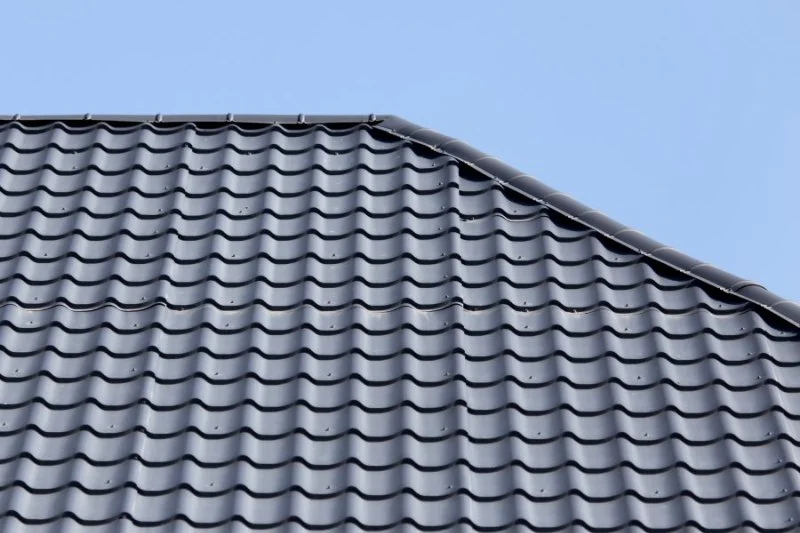
 The Latest Roofing Material Innovations in Polymer & Composite Technologiesroofing material innovations, polymer roofing, composite roofing technologies, advanced roofing materials, roofing technology, polymer composite roofs, roofing solutions, Total Roofing HubDiscover the latest innovations in roofing materials with advancements in polymer and composite technologies. Learn how these cutting-edge solutions are revolutionizing the roofing industry and offering durable, cost-effective alternatives for modern homes and businesses.
- 1. Understanding Polymer and Composite Roofing Materials
- 2. The Benefits of Polymer and Composite Materials in Roofing
- 3. Recent Advancements in Polymer & Composite Roofing
- 4. Real-World Examples and Case Studies
- 5. How Total Roofing Hub Can Help
1. Understanding Polymer and Composite Roofing Materials
Polymer and composite materials are at the forefront of modern roofing technology. These materials, made from synthetic polymers combined with other components such as fibers, minerals, or resins, are engineered to enhance durability, weather resistance, and overall performance. In the roofing industry, polymers and composites are increasingly being used in place of traditional materials like asphalt, wood, and metal due to their superior qualities.
Polymer-based roofing materials include PVC (polyvinyl chloride), TPO (thermoplastic polyolefin), and EPDM (ethylene propylene diene monomer), while composite roofing typically combines polymers with other materials like fiberglass or asphalt to create lighter, stronger, and more versatile solutions. These materials are designed to perform better under a range of environmental conditions and offer a longer lifespan than conventional options.

2. The Benefits of Polymer and Composite Materials in Roofing
The use of polymer and composite materials in roofing has gained significant popularity due to the numerous benefits they offer over traditional roofing options. Here are the key advantages of these advanced materials:
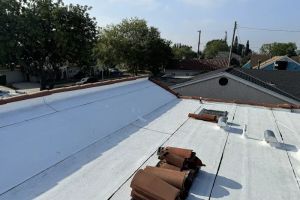
YOR Roofing Contractor & Construction Company
Los AngelesLos Angeles CountyCalifornia
18627 Topham St, Tarzana, CA 91335, USA
2.1 Durability and Longevity
Polymer and composite roofing materials are known for their durability. These materials are resistant to cracking, chipping, and warping, making them ideal for climates with extreme weather conditions. They can withstand UV radiation, which can cause traditional roofing materials to degrade over time. Moreover, composite materials typically have a longer lifespan, reducing the need for frequent repairs or replacements.
2.2 Energy Efficiency
Energy efficiency is one of the standout benefits of polymer and composite roofing materials. Many of these materials are designed with reflective surfaces that help to reduce heat absorption, keeping homes and buildings cooler in the summer. This leads to lower energy costs and a reduced environmental footprint. Some polymer-based roofs, such as cool roofs made from TPO or PVC, are specifically designed to reflect sunlight and improve energy efficiency.
2.3 Low Maintenance
Unlike traditional roofing materials that require regular maintenance, such as re-sealing or re-coating, polymer and composite roofs typically require minimal upkeep. Their resistance to environmental elements like rain, snow, and UV rays means they won’t degrade as quickly, making them a more reliable option in the long run. This also results in fewer maintenance-related expenses over the roof’s lifespan.
3. Recent Advancements in Polymer & Composite Roofing
The roofing industry has seen remarkable innovations in polymer and composite technologies in recent years. These advancements are changing the way roofs are designed, constructed, and maintained. Below are some of the most notable recent developments:
3.1 Enhanced Durability with Nano-Technology
One of the latest advancements in polymer roofing materials is the integration of nano-technology. By adding nano-sized particles to polymer formulations, manufacturers can improve the strength, UV resistance, and self-cleaning properties of the material. Nano-coated roofs are now more resistant to dirt accumulation, algae growth, and chemical damage, making them easier to maintain and longer-lasting.
3.2 Recyclable and Eco-Friendly Materials
In response to increasing demand for sustainable solutions, the roofing industry is also focusing on making polymer and composite materials more eco-friendly. Many new composite roofs are now made from recycled materials, such as recycled plastic and rubber, reducing the environmental impact. Some composite roofing options are also designed to be fully recyclable at the end of their lifespan, helping to reduce waste in landfills.
3.3 Lightweight and Flexible Roof Systems
Recent innovations in polymer composite technology have also led to the development of lightweight and flexible roofing systems. These materials are not only easier to transport and install but also reduce the overall load on the building structure. This is particularly beneficial for retrofitting older buildings that might not be able to support the weight of traditional roofing materials.
4. Real-World Examples and Case Studies
Real-world case studies provide valuable insights into how polymer and composite materials are being successfully used in roofing projects. Here are a few examples of these materials in action:
4.1 Residential Application: TPO Roofing for Homeowners
Many homeowners are now opting for TPO (thermoplastic polyolefin) roofing due to its energy efficiency and cost-effectiveness. For example, a recent residential project in California used TPO roofing to replace an old, energy-draining asphalt roof. The new TPO system not only reduced energy costs by reflecting sunlight but also provided long-term durability, requiring minimal maintenance.
4.2 Commercial Application: Composite Roofing for Commercial Buildings
Composite roofing materials have also found great success in commercial building applications. A major office complex in New York City recently replaced its outdated roof with a composite membrane roofing system made from a combination of polymer and fiberglass. This upgrade resulted in improved insulation, energy savings, and extended roof life. The building's management reported a significant reduction in heating and cooling costs, thanks to the enhanced thermal performance of the composite roof.
5. How Total Roofing Hub Can Help
At Total Roofing Hub, we provide expert advice and the latest roofing materials, including advanced polymer and composite technologies, to meet the needs of both residential and commercial customers. Whether you're looking for energy-efficient roofing solutions or durable, low-maintenance options, we offer a wide range of products designed to enhance the performance and longevity of your roof.
Visit Total Roofing Hub today for all your roofing needs. Our team of experts is ready to help you find the perfect materials and services to suit your project. Let us guide you through the latest roofing innovations to ensure your property stays protected for years to come.

 KB Construction & Home Improvements5.0 (7 reviews)
 Whalen Exteriors5.0 (55 reviews)
 Jackson Roofing Company Inc4.0 (4 reviews)
 JD Roofing Service5.0 (5 reviews)
 K & M Conner Brothers Contractors, Inc5.0 (4 reviews)
 Bear Creek Property Services5.0 (4 reviews)
 How to Repair Roof Flashing Around Skylights & Vents: A Complete Guide
 How to Protect Your Roof After a Tree Falls On It: Essential Steps
 How Much Does Siding Replacement Cost in Different US States?
 Everything You Need to Know About Roof Warranties – Types, Coverage, and Claims
 How Roof Decking Condition Affects Overall Roofing Cost
 Everything You Need to Know About Roof Warranties