- 1. Immediate Actions After a Tree Falls on Your Roof
- 2. Assessing the Damage to Your Roof
- 3. Securing the Area Safely
- 4. Contacting Insurance and Roofing Professionals
- 5. Preventive Measures to Avoid Future Damage
1. Immediate Actions After a Tree Falls on Your Roof
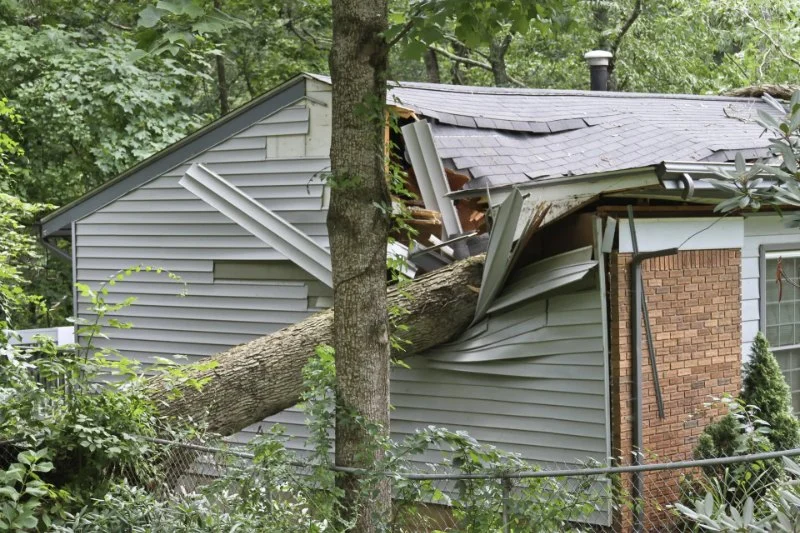
When a tree falls on your roof, it's crucial to act quickly. The first step is to ensure everyone’s safety, as falling trees can cause significant damage and pose a danger to people nearby. Here’s what you should do immediately:
- Check for Hazards: Before approaching, make sure that there are no power lines down and that the area around the tree is safe to access.
- Call Emergency Services: If the tree has caused structural damage or created an emergency situation, call emergency services to ensure the area is secured and help is on the way.
- Stay Away from the Tree: Never attempt to move the tree yourself, as it could shift, causing further damage or injury.
2. Assessing the Damage to Your Roof
Once the area is safe, it’s time to assess the damage to your roof. This can help you understand the extent of the issue and determine the next steps. Here’s how to begin:
- Look for Visible Damage: Check for broken shingles, dents, or holes in the roof. Severe damage may include punctures or cracks caused by heavy branches.
- Check for Water Leaks: Water damage is a significant concern. Check your ceilings and walls for signs of leaking or staining, as water can seep through damaged areas and cause further harm to your home.
- Structural Integrity: Ensure that the tree hasn’t caused structural damage to your roof’s support beams or other critical components.
3. Securing the Area Safely
It’s essential to secure the area around your home to prevent further damage and ensure the safety of everyone involved. Here are a few steps to take:
- Cover Damaged Areas: If possible, use a tarp or plastic sheeting to cover any exposed parts of the roof to prevent rain or debris from causing more damage.
- Protect Your Home’s Interior: Place buckets or containers underneath any leaks to minimize water damage inside your home.
- Mark Hazardous Areas: If the area around the tree is hazardous, such as being near power lines or unstable tree trunks, mark these areas off to prevent accidents.
4. Contacting Insurance and Roofing Professionals
After securing the area and assessing the damage, it’s time to contact your homeowner’s insurance provider and a roofing professional:
- Call Your Insurance Company: Contact your insurance provider to file a claim. They can guide you through the process of getting your roof repaired or replaced. Take pictures of the damage before any repairs are made, as this documentation will be important for your claim.
- Hire a Professional Roofer: Contact a licensed roofing contractor to assess the damage and provide an estimate for repairs. Professionals will have the tools and expertise needed to fix structural or cosmetic roof damage safely.
- Consider Temporary Roof Repairs: If you can’t get a professional out immediately, ask the roofer about temporary repairs to prevent further damage until they can complete the full repair.
5. Preventive Measures to Avoid Future Damage
While you can’t always prevent a tree from falling, there are several steps you can take to minimize the risk of future incidents:
- Regular Tree Maintenance: Hire a professional arborist to trim any overgrown branches near your roof. Keeping trees well-maintained reduces the risk of branches falling during storms or heavy winds.
- Inspect Trees Near Your Home: Regularly check for signs of tree disease, decay, or instability, especially if the tree is close to your house. A weakened tree is more likely to fall.
- Install a Roof Shield: Consider installing a roof guard or shield to prevent branches from directly hitting your roof. These preventative measures can protect your roof during storms or windy conditions.
If your roof has suffered damage from a fallen tree, don’t wait to address the issue. Early intervention can save you money and prevent more significant damage in the long run. At Total Roofing Hub, we offer expert roofing services and advice on how to protect your roof from storm damage. Whether you're looking for roof repairs or preventive solutions, our team is here to help.
 Marc Joseph remodeling5.0 (1 reviews)
 PRS Roofing Inc5.0 (9 reviews)
 KAPS CONSTRUCTION4.0 (5 reviews)
 Marshall Exteriors, LLC4.0 (213 reviews)
 S.W.A.T. Roofing & Consulting4.0 (46 reviews)
 MATFI RENOVATIONS LLC5.0 (23 reviews)
 Siding Material Fire Ratings: What’s Required & What to Choose
 Roof Talk: Common Terminology Every Homeowner Should Know
 How Often Should You Replace Your Home's Siding? Expert Tips on Siding Longevity
 The Average Lifespan of Asphalt Shingle Roofs: How Long Do They Last?
 How to Choose a Reliable Roofing Contractor Near You | Top Tips and Questions
 Should I Repair or Replace My Roof? – Expert Guide for U.S. Homeowners