- 1. Understanding Siding Expansion & Contraction
- 2. Causes of Siding Expansion & Contraction
- 3. How to Mitigate Siding Expansion & Contraction Issues
- 4. Common Mistakes to Avoid
- 5. How Total Roofing Hub Can Help
1. Understanding Siding Expansion & Contraction
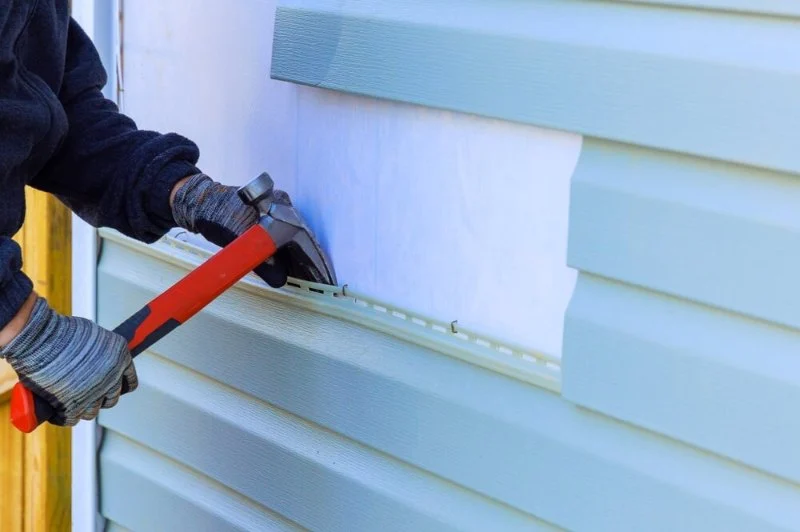
Siding expansion and contraction refer to the natural processes that occur as siding materials expand during hot weather and contract in cold conditions. This can cause shifts, warping, gaps, or buckling if not properly addressed. Siding is designed to protect your home from the elements, but it must be maintained and installed correctly to withstand these temperature fluctuations.
Understanding how siding materials behave in response to weather changes is crucial in ensuring the longevity and appearance of your home’s exterior. Improper installation or lack of maintenance can exacerbate expansion and contraction, leading to costly repairs.

Kelsey Elite Services
Sugar LandFort Bend CountyTexas
14090 Southwest Fwy #300, Sugar Land, TX 77478, USA
2. Causes of Siding Expansion & Contraction
There are several key factors that contribute to the expansion and contraction of siding:
- Temperature Fluctuations: As temperatures rise, materials like vinyl, wood, and fiber cement tend to expand. When the weather cools down, these materials contract. The degree of expansion and contraction depends on the material and its exposure to temperature changes.
- Humidity Levels: Wood siding is particularly susceptible to moisture and humidity. When humidity levels are high, wood absorbs moisture, causing it to swell. In dry conditions, it contracts as it loses moisture. This cycle can weaken the material over time if not addressed properly.
- Improper Installation: If siding isn’t installed with the right amount of space between panels, it can’t expand or contract properly. This can lead to warping, cracks, and gaps.
- Material Type: Different types of siding materials react differently to temperature and moisture changes. Vinyl and metal siding tend to expand and contract more noticeably, while fiber cement and wood can show more gradual changes.
3. How to Mitigate Siding Expansion & Contraction Issues
There are several strategies homeowners can use to minimize the effects of siding expansion and contraction:
- Proper Installation: Ensuring that your siding is installed with proper spacing and ventilation is critical. Allowing room for expansion and contraction helps prevent warping or cracking over time. Professional installation is key to ensuring your siding can move without causing damage.
- Regular Maintenance: Regularly inspecting your siding for damage is essential. Look for cracks, gaps, or signs of warping. If you notice any issues, addressing them early can prevent more serious problems down the line.
- Quality Materials: Opt for high-quality, weather-resistant materials that are designed to withstand temperature fluctuations. Vinyl and metal sidings are known to expand and contract more than other materials, so choosing options that are specifically designed for durability is essential.
- Caulking and Sealing: Proper sealing around windows, doors, and seams can help prevent moisture from seeping in and causing the siding to expand or contract unnaturally. Applying high-quality caulk can help mitigate these issues.
4. Common Mistakes to Avoid
When it comes to siding expansion and contraction, here are some common mistakes to avoid:
- Ignoring Expansion Gaps: Failing to leave expansion gaps between siding panels is a common mistake. These gaps allow for proper movement of the material as it expands and contracts with temperature changes. Without them, you risk buckling and cracking.
- Using Low-Quality Materials: Choosing cheaper, lower-quality siding materials may save money initially, but they are more prone to damage from expansion and contraction. Always opt for durable, high-quality siding that’s made to withstand the elements.
- Neglecting Regular Inspections: Many homeowners only inspect their siding when visible damage occurs. Regular inspections, especially after extreme weather, can catch potential issues before they worsen and save money in repairs.
5. How Total Roofing Hub Can Help
At Total Roofing Hub, we offer expert advice and quality services to help you protect your home from the effects of siding expansion and contraction. Whether you're installing new siding or need assistance with maintenance, our team is here to ensure that your siding remains durable and attractive for years to come.
Explore our selection of siding materials, tools, and expert services at Total Roofing Hub today. We're committed to providing solutions that help you manage your home’s exterior with ease.

 Chris Miller Roofing4.0 (36 reviews)
 K J Rogers Roofing Inc5.0 (1 reviews)
 SouthSTAR Construction5.0 (62 reviews)
 Sebastian and Sons Roofing, LLC4.0 (37 reviews)
 Eaton Exterior Restoration0.0 (0 reviews)
 Galvan Roofing and Construction5.0 (6 reviews)
 The Pros and Cons of Vinyl Siding for Your Home
 How to Repair Roof Eaves & Overhang Damage: Step-by-Step Guide
 Best Practices for Matching Roof Shingles with Siding Colors for a Cohesive Look
 How to Match Roof Shingles with Your Siding Color for the Perfect Home Look
 How to Protect Your Roof After a Tree Falls On It: Essential Steps
 How to Prevent Water Stains on Siding and Exterior Walls: Tips for a Dry Home