Energy-Efficient Siding: What Materials Save Heating & Cooling Costs
- 1. Introduction to Energy-Efficient Siding
- 2. Importance of Energy-Efficient Siding
- 3. Best Materials for Energy-Efficient Siding
- 4. Case Study: How Energy-Efficient Siding Reduced Energy Bills
- 5. Installation Tips for Maximum Efficiency
- 6. Conclusion
1. Introduction to Energy-Efficient Siding
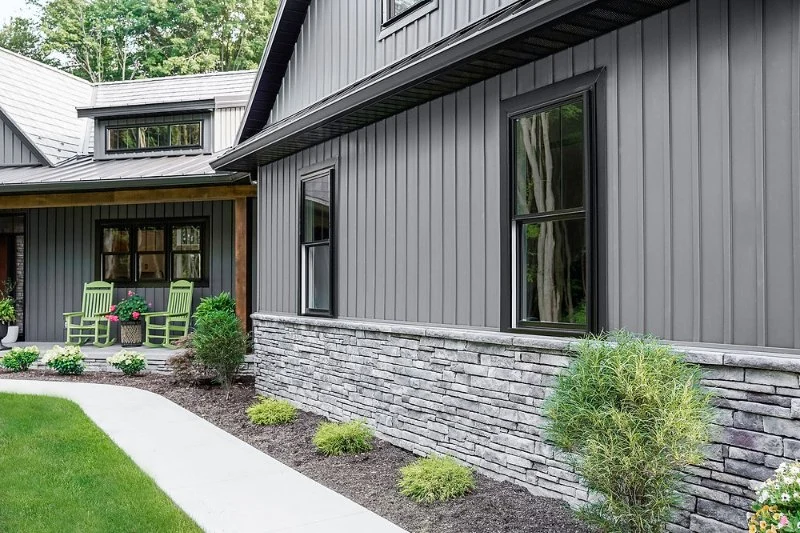
Energy-efficient siding is an essential consideration for homeowners looking to improve their home's energy performance. By choosing the right materials, you can significantly reduce heating and cooling costs while contributing to environmental sustainability. In this guide, we'll explore which materials provide the best energy efficiency, the benefits of energy-efficient siding, and how to make the most of your investment.
2. Importance of Energy-Efficient Siding
Energy-efficient siding not only improves the thermal insulation of your home but also enhances curb appeal. Properly insulated siding acts as a barrier to extreme temperatures, keeping your home warmer in the winter and cooler in the summer. This can lead to lower energy bills as your HVAC system will work less to maintain a comfortable indoor climate.
Moreover, energy-efficient siding can also increase your home's resale value. Potential buyers are often more attracted to homes with eco-friendly features, especially when they come with long-term cost savings.
3. Best Materials for Energy-Efficient Siding
There are several materials available for energy-efficient siding, each with unique advantages. Here are some of the best options for reducing heating and cooling costs:
- Vinyl Siding: Vinyl is a low-cost, low-maintenance option that provides excellent insulation. Modern vinyl siding is often foamed, which adds an extra layer of insulation, making it one of the most cost-effective choices for energy efficiency.
- Fiber Cement Siding: Fiber cement is highly durable and resistant to extreme weather conditions. It also provides superior insulation and can significantly reduce heat transfer.
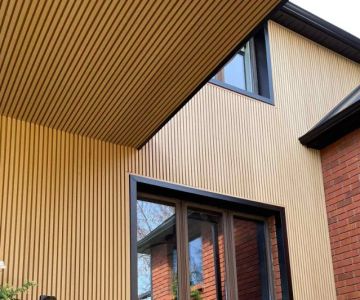
- Wood Siding: Wood naturally has insulating properties and, when properly maintained, can be an attractive and energy-efficient option. However, it may require more upkeep than other materials.
- Insulated Steel Siding: Insulated steel siding offers a high level of durability, and the insulation built into the panels helps reduce heat loss, making it a great option for both warmth in winter and coolness in summer.
- Composite Siding: Made from a combination of materials, composite siding offers excellent energy efficiency. It is also resistant to rot and insects, which can affect other types of siding over time.
4. Case Study: How Energy-Efficient Siding Reduced Energy Bills
One of the best ways to understand the impact of energy-efficient siding is through real-life examples. For instance, a homeowner in Chicago installed insulated vinyl siding on their 2,500-square-foot home. After the installation, their monthly heating and cooling costs dropped by 25%. This reduction was primarily due to the enhanced insulation properties of the vinyl siding, which kept the home warmer during the winter and cooler during the summer, reducing the need for the air conditioning and heating systems to work overtime.
In addition to the energy savings, the home's curb appeal was significantly improved, which increased its market value by approximately 15%. This case demonstrates how investing in energy-efficient siding can lead to substantial long-term savings and home value appreciation.
5. Installation Tips for Maximum Efficiency
To get the most out of your energy-efficient siding, proper installation is key. Here are a few tips to ensure maximum performance:
- Seal Gaps: Ensure that all seams and gaps are sealed tightly to prevent air from escaping or entering the home.
- Insulate the Walls: Adding extra insulation behind the siding can further enhance the energy-saving benefits of your chosen material.
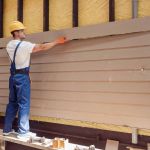
- Professional Installation: While DIY installation can be tempting, professional installation ensures that the siding is correctly installed and sealed, optimizing its energy efficiency.
- Maintain the Siding: Regular maintenance, such as cleaning and resealing, helps preserve the insulating properties of the siding and extend its lifespan.
6. Conclusion
Choosing the right energy-efficient siding material is an important decision for homeowners who want to lower their energy bills and reduce their environmental impact. By selecting the best siding material for your home and ensuring proper installation, you can create a more energy-efficient living space while enhancing the curb appeal and long-term value of your home.
If you're looking for high-quality, energy-efficient siding options, visit Pro Found Roofing for the best products and expert installation services. Our team is here to help you make the right choice for your home and ensure that your new siding meets your energy-saving goals.

 J.L. Ray Company4.0 (116 reviews)
 Centennial Shingle, Inc.5.0 (28 reviews)
 Elevate Arc Roofing4.0 (20 reviews)
 CHL Handyman Services5.0 (12 reviews)
 Larchwood Construction5.0 (5 reviews)
 CHAVEZ FAMILY (CHAVEZ ROOFING & HOME IMPROVEMENTS)2.0 (3 reviews)
 How to Choose a Reliable Roofing Contractor Near You: A Comprehensive Guide
 How to Budget for a Roof Replacement Project: Essential Tips and Strategies
 Maintaining Wood Siding: Protection Against Rot and Pests
 The Best Roofing Materials for Cold Climates
 How to Choose Roofing for Flat vs Pitched Garages & Sheds
 How to Maintain Siding in Wet or Flood-Prone Areas