
- Introduction to Roof Pitch & Overhang
- The Role of Roof Pitch in Protecting Exterior Walls
- Why Roof Overhang Matters for Wall Protection
- Benefits of Proper Roof Pitch and Overhang Design
- Key Considerations for Designing Roof Pitch and Overhang
Introduction to Roof Pitch & Overhang
When it comes to building a home or upgrading your roofing system, two crucial elements play a major role in enhancing the protection of your exterior walls: roof pitch and roof overhang. While these components might seem like secondary features, they offer significant functional benefits that protect your home from the elements, improve insulation, and prolong the lifespan of your exterior walls.
Understanding how roof pitch and overhang contribute to the protection of exterior walls can guide homeowners in making better choices during construction or renovation projects. In this article, we’ll explore the importance of roof pitch and overhang design, how they work together to shield your home, and why these considerations should not be overlooked.

The Role of Roof Pitch in Protecting Exterior Walls
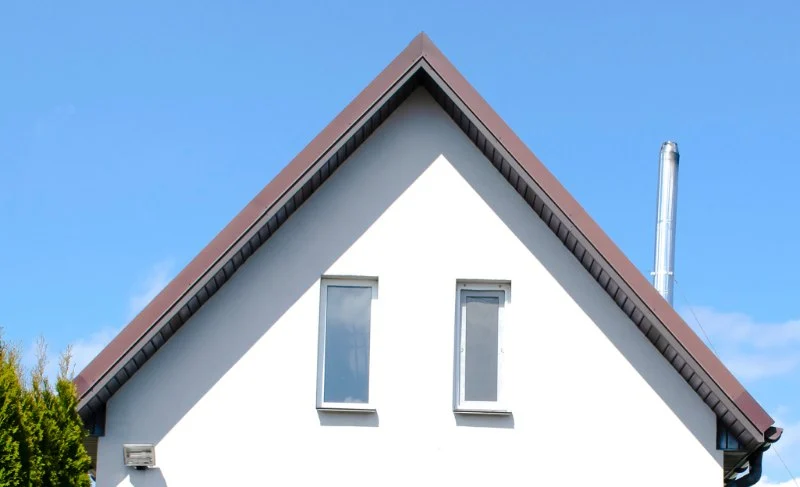
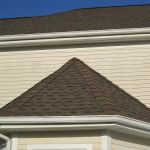
Roof pitch refers to the slope or angle of the roof, typically expressed as a ratio of the rise to the run. The steeper the pitch, the more effective the roof is at shedding rainwater and snow, which helps protect the exterior walls from water damage.
A well-designed roof pitch encourages the runoff of water, reducing the likelihood of moisture seeping into the building’s structure. This is particularly important in areas with heavy rainfall or snow accumulation. By preventing water from pooling on the roof, a good pitch keeps the exterior walls dry, thus reducing the risk of mold, mildew, and rot. Furthermore, the right pitch can help distribute wind forces more evenly across the roof, preventing structural damage during storms.
In addition to providing water protection, the roof pitch also affects the overall aesthetic appeal of the home. Whether you're opting for a dramatic steep roof or a moderate slope, the pitch directly influences the architectural style and curb appeal.

Why Roof Overhang Matters for Wall Protection
Roof overhang refers to the portion of the roof that extends beyond the walls of the house. This overhang acts as a barrier, shielding the walls from rain, direct sunlight, and snow. The primary benefit of roof overhang is that it provides additional protection for the exterior walls, especially around the windows and doors where moisture intrusion can be most damaging.
A properly designed roof overhang prevents rainwater from splashing directly against the walls, reducing the chances of water damage. It also minimizes the exposure of the exterior paint and siding to harsh sun rays, which can fade colors and weaken materials over time. In regions with extreme weather conditions, roof overhangs can prevent damage from snowmelt, which might otherwise slide down and seep into the foundation or cause erosion around the base of the home.
Benefits of Proper Roof Pitch and Overhang Design
The combination of the right roof pitch and overhang offers a variety of benefits for homeowners, beyond just aesthetic appeal. Let’s take a look at some of the key advantages:
- Enhanced Water Protection: As mentioned, the right pitch and overhang design ensure that water drains away efficiently from the walls, preventing water damage, mold, and mildew buildup.
- Energy Efficiency: A well-pitched roof and overhangs help to reduce the amount of direct sunlight hitting the walls and windows. This, in turn, keeps your home cooler in the summer, lowering cooling costs.
- Extended Roof Life: By protecting the exterior from the elements, roof overhangs and proper pitch help extend the life of your roof. This means fewer repairs and replacements, saving you money in the long run.
- Improved Insulation: A well-designed roof pitch helps regulate indoor temperatures by ensuring adequate ventilation. The overhang works in tandem with insulation to keep your home comfortable throughout the year.
Key Considerations for Designing Roof Pitch and Overhang
While roof pitch and overhangs are essential for protecting exterior walls, it’s important to consider a few factors when designing or upgrading these elements:
- Climate: The local climate plays a crucial role in determining the ideal pitch and overhang size. For example, areas with heavy snow or rainfall will require a steeper roof pitch and larger overhangs to prevent water accumulation.
- Roof Material: The type of roofing material used can influence the pitch design. Some materials, such as metal roofs, perform well with a lower pitch, while others, like clay tiles, require a steeper slope to ensure proper water drainage.
- Aesthetic Appeal: The style of your home should guide the pitch and overhang design. Modern homes may have minimal overhangs, while traditional homes often feature larger, more decorative eaves.
Consulting a roofing professional can help ensure that your roof pitch and overhang are tailored to your home’s specific needs, climate conditions, and design preferences. This can optimize both the functionality and appearance of your roof, providing long-lasting protection for your exterior walls.
If you’re looking to upgrade your roof or need expert advice on roof design and materials, check out Total Roofing Hub for the best products, services, and recommendations to enhance your roofing system.




 Pro Siding Contractors LLC5.0 (4 reviews)
 Vinyl King4.0 (31 reviews)
 Bailey Home Improvements4.0 (21 reviews)
 M & C Construction4.0 (41 reviews)
 Summit Exteriors4.0 (90 reviews)
 All Good LLC5.0 (21 reviews)
 How Much Does a New Roof Cost in 2025? A Complete Guide for Homeowners
 The Pros and Cons of Vinyl Siding: Is It the Right Choice for Your Home?
 What’s the Best Time of Year to Replace Your Roof?
 What to Check in Roof Inspection Reports
 The Average Lifespan of Asphalt Shingle Roofs
 How to Maintain Your Siding Year Round: Essential Tips for Longevity