What to Check in Roof Inspection Reports
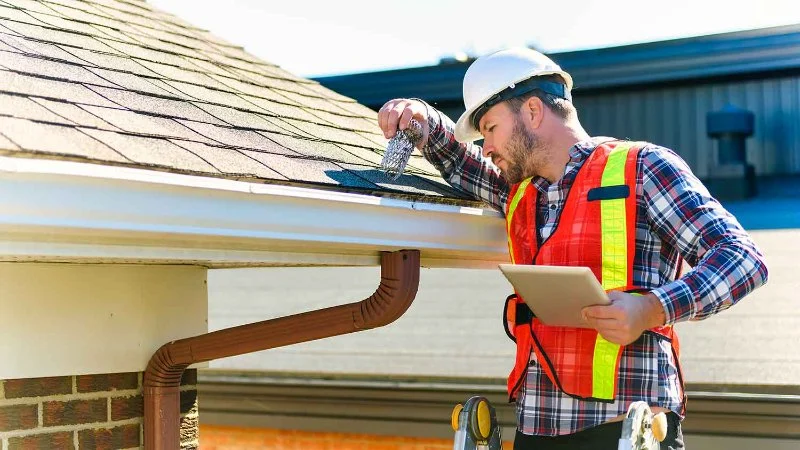
Roof inspections are a crucial part of maintaining a healthy home, as your roof is one of the most important structural elements protecting your property. Whether you're a homeowner looking to maintain your roof, or you're considering purchasing a new property, understanding what to look for in a roof inspection report can help you make informed decisions. In this guide, we'll go over the key aspects of roof inspection reports and how to assess them effectively.
Jim Rosewitz Roofing
Fountain ValleyOrange CountyCalifornia
10303 La Cebra Ave, Fountain Valley, CA 92708, USA
1. Why Roof Inspection Reports Are Important
A roof inspection report is a comprehensive document prepared by a professional roofing inspector that outlines the condition of your roof. It provides valuable information about the roof's overall health, pinpointing any issues that may require repair or replacement. Regular roof inspections help homeowners identify potential problems before they become costly disasters. This report is especially important when buying or selling a home, as it can impact the property value and negotiations.

2. Key Components to Look for in a Roof Inspection Report
When reviewing a roof inspection report, there are several key areas you should focus on to understand the condition of the roof and determine if any action is required. Here's a breakdown of the most important components:
2.1 Roof Age and Materials
The age of the roof and the materials used are crucial factors in determining how much longer it can last. Different roofing materials, such as asphalt shingles, metal, or tile, have varying lifespans. A roof inspection report should specify the material used and estimate how much life is left before replacement is necessary. Knowing the age of your roof can help you plan for future repairs or replacements, and help you decide if you need to invest in preventative maintenance.
2.2 Visual Condition of the Roof
The roof inspector will evaluate the condition of the roof’s exterior, looking for any visible damage. This includes checking for missing shingles, cracks, or tears in roofing materials, as well as signs of wear and tear such as granule loss on asphalt shingles. The report should describe any visible signs of damage and provide recommendations for repair. Keep in mind that some issues may not be immediately visible, and professional inspection is key in identifying hidden problems.
2.3 Roofing System Issues
A roofing system includes not just the shingles or tiles, but also the underlayment, flashing, gutters, and ventilation. The roof inspection report should include information about the condition of these components. For example, damaged flashing or clogged gutters can cause water damage, which could lead to mold or rot. The report should highlight any system weaknesses and recommend repairs to ensure the entire roof functions properly.
2.4 Signs of Water Damage
Water damage is one of the most serious threats to your roof. During the inspection, the professional will look for any signs of leaks or water damage, such as stains on the ceiling, mold, or rusted flashing. They may also check the attic for moisture buildup or dark spots on the roof decking. If water penetration is detected, the report should include recommendations on how to address the issue, including repairing leaks or replacing damaged materials.
2.5 Structural Integrity
The structural integrity of the roof is another key aspect of a roof inspection report. The inspector will check for any signs of sagging or damage to the roof's framework. This can indicate deeper issues such as poor installation, water damage, or weight overload. If the structural integrity is compromised, it's crucial to address these issues as they could lead to more extensive and expensive repairs down the line.
3. How to Interpret Repair Recommendations
A roof inspection report will often include recommendations for repairs or maintenance. It's important to understand the severity of the issues mentioned. Not all problems are urgent or require immediate attention. Here’s how to interpret the different types of recommendations:
- Minor Repairs: These are often cosmetic or small issues that can be fixed over time and don’t pose an immediate risk to the roof's integrity.
- Moderate Repairs: These are issues that should be addressed soon to prevent further damage, such as minor leaks or damaged flashing.
- Major Repairs: These are serious issues that need immediate attention, such as significant water damage or structural damage to the roof. Ignoring these can lead to costly repairs later.
4. The Role of Regular Roof Inspections
Regular roof inspections are essential for maintaining the longevity and integrity of your roof. They help you stay ahead of potential issues and ensure that your roof continues to protect your home. Most roofing professionals recommend annual or bi-annual inspections, especially if your roof is older or has been exposed to extreme weather conditions. These inspections can save you money in the long run by identifying minor problems before they turn into major ones.
5. Choosing a Roofing Professional for Inspections
When choosing a roofing professional to conduct your roof inspection, it's important to select someone with the necessary certifications, experience, and expertise. Look for a licensed and insured contractor with a good reputation. Reading customer reviews and asking for references can help you find a trusted professional. Be sure to discuss the details of the inspection process and request a clear and comprehensive report after the inspection is complete.
6. Conclusion
Roof inspection reports are an essential tool for maintaining the health of your roof and preventing costly repairs. By understanding the key components of the report and knowing what to look for, you can make informed decisions about repairs and maintenance. Regular inspections will ensure your roof is always in good condition, offering peace of mind and protecting your home for years to come. For more roofing tips and expert advice, visit Total Roofing Hub.
 Marc Joseph remodeling5.0 (1 reviews)
 PRS Roofing Inc5.0 (9 reviews)
 KAPS CONSTRUCTION4.0 (5 reviews)
 Marshall Exteriors, LLC4.0 (213 reviews)
 S.W.A.T. Roofing & Consulting4.0 (46 reviews)
 MATFI RENOVATIONS LLC5.0 (23 reviews)
 Siding Material Fire Ratings: What’s Required & What to Choose
 Roof Talk: Common Terminology Every Homeowner Should Know
 How Often Should You Replace Your Home's Siding? Expert Tips on Siding Longevity
 The Average Lifespan of Asphalt Shingle Roofs: How Long Do They Last?
 How to Choose a Reliable Roofing Contractor Near You | Top Tips and Questions
 Should I Repair or Replace My Roof? – Expert Guide for U.S. Homeowners