Flat Roof vs Sloped Roof: Pros, Cons & Typical Costs
- Flat Roof Overview
- Sloped Roof Overview
- Pros of a Flat Roof
- Pros of a Sloped Roof
- Cons of a Flat Roof
- Cons of a Sloped Roof
- Cost Comparison of Flat Roof vs Sloped Roof
- Final Thoughts
1. Flat Roof Overview
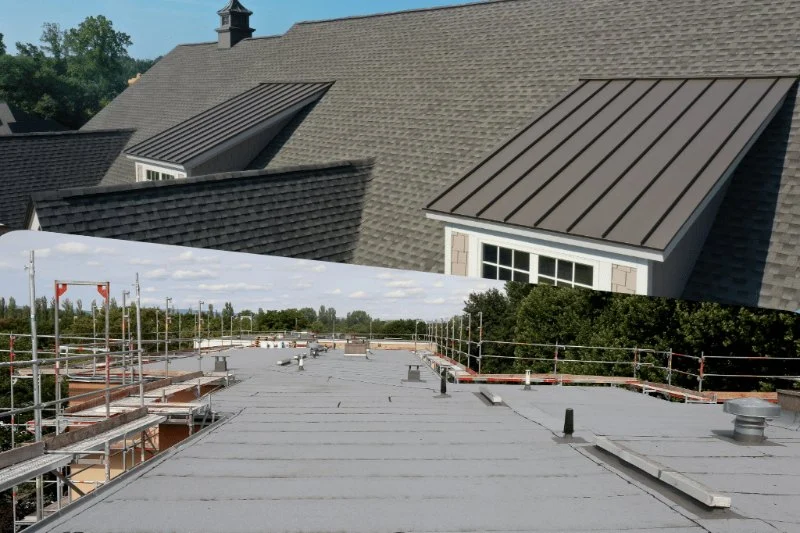
A flat roof, often seen on modern homes, commercial buildings, and garages, is a roof with a minimal slope, typically not exceeding a 10-degree incline. The simplicity of flat roofs allows for easy installation and maximizes usable space on top. These roofs are ideal for areas with minimal rainfall and where outdoor space, such as a rooftop deck, is desired.2. Sloped Roof Overview
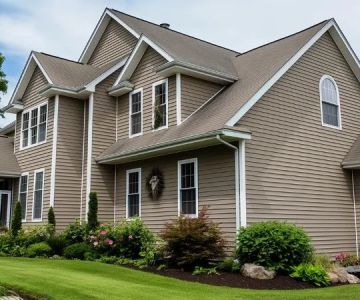
A sloped roof, also called a pitched roof, is characterized by its triangular shape with varying angles that allow water and snow to run off efficiently. This traditional roofing style is commonly seen in residential homes. With steeper pitches, sloped roofs are more effective in shedding water and preventing damage from heavy snowfall or rain, making them suitable for regions with harsher weather.3. Pros of a Flat Roof
Flat roofs have several advantages, particularly in terms of aesthetics and functionality:- Cost-Effective: Flat roofs are generally less expensive to install than sloped roofs due to their simpler design and fewer materials required.
- Additional Space: A flat roof provides extra usable space that can be converted into a rooftop garden, deck, or even an outdoor entertainment area.
- Easy to Maintain: With fewer angles, flat roofs are easier to access and maintain, making routine repairs and inspections simpler.
- Modern Aesthetic: Flat roofs often complement contemporary architectural designs, giving buildings a sleek, modern look.
4. Pros of a Sloped Roof
Sloped roofs have been a popular choice for centuries due to their ability to withstand various weather conditions. Here are the main advantages:- Better Drainage: The slope allows rainwater and snow to easily slide off, preventing water accumulation and reducing the risk of leaks.
- Longevity: Sloped roofs typically last longer because they are better equipped to handle the weight of snow and rain, preventing water damage over time.
- Energy Efficiency: The angle of sloped roofs allows for better ventilation, which can reduce the need for air conditioning in hot climates by promoting airflow.
- Variety of Styles: Sloped roofs come in various styles (e.g., gable, hip, mansard), offering homeowners the flexibility to choose a design that suits their aesthetic preferences.
5. Cons of a Flat Roof
While flat roofs have their benefits, they also come with some drawbacks that may influence your decision:- Poor Drainage: If not properly installed and maintained, flat roofs can suffer from water pooling, leading to leaks and water damage.
- Limited Lifespan: Flat roofs are more susceptible to wear and tear, especially from extreme weather conditions like heavy rain or snow, and may require more frequent repairs or replacement.
- Higher Maintenance Costs: While easier to access, flat roofs require regular cleaning and inspection to avoid potential drainage issues and prevent damage to the roofing material.
6. Cons of a Sloped Roof
Despite their advantages, sloped roofs also have some downsides to consider:- Higher Initial Cost: Sloped roofs typically cost more to install due to the complexity of the design, additional materials, and labor required.
- Limited Space: Sloped roofs do not offer the same usable space on top as flat roofs, limiting the potential for rooftop gardens or other outdoor areas.
- Potential for Ice Dams: In colder climates, snow and ice can accumulate along the edges of sloped roofs, causing ice dams that lead to water infiltration and roof damage.
7. Cost Comparison of Flat Roof vs Sloped Roof
When considering roof installation costs, there is a significant difference between flat and sloped roofs:- Flat Roof Installation Costs: Generally, the cost of installing a flat roof is lower due to its simpler design and fewer materials required. On average, the cost for a flat roof can range from $3,000 to $8,000 depending on the size and materials used.
- Sloped Roof Installation Costs: Sloped roofs are more expensive, with costs ranging from $5,000 to $15,000. The price varies based on roof style, materials (shingles, tiles, metal), and the complexity of the installation.
 Highwood Construction5.0 (7 reviews)
 ELK Roofing5.0 (1 reviews)
 Modern Day Living Construction5.0 (5 reviews)
 Jason Klemm Slate & Copper Roofing, LLC5.0 (3 reviews)
 Exquisite Roofing and Restoration- Smyrna4.0 (18 reviews)
 Mccoy Roofing & Solutions0.0 (0 reviews)
 How to Maintain Your Siding Year Round | Expert Tips for Homeowners
 Cedar vs Engineered Wood Siding: Which One Is More Durable? | Total Roofing Hub
 The Environmental Benefits of a Cool Roof: Reduce Heat and Energy Costs
 The Best Roofing Materials for Cold Climates
 The Average Lifespan of Asphalt Shingle Roofs – How Long Do They Last?
 How to Prevent and Fix Ice Dams on Your Roof