
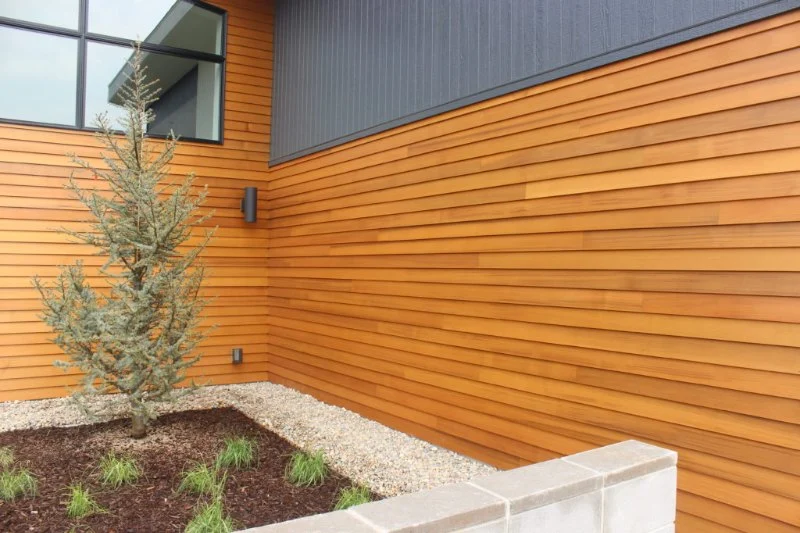
- Understanding-Different-Siding-Materials
- Maintenance-for-Maple-Wood-Siding
- Maintenance-for-Cedar-Siding
- Maintenance-for-Composite-Siding
- When-to-Seek-Professional-Help
Understanding Different Siding Materials
Siding is an essential component of any home’s exterior, providing both aesthetic appeal and protection from the elements. When choosing the right siding material, many homeowners opt for maple wood, cedar, or composite siding due to their unique benefits and natural beauty. However, each of these materials requires specific maintenance to ensure they continue to protect your home effectively.
In this article, we’ll discuss the importance of proper siding maintenance and how you can care for maple wood, cedar, and composite siding. Proper care can extend the life of your siding, enhance its appearance, and prevent costly repairs due to water damage or wear and tear.

Maintenance for Maple Wood Siding
Maple wood siding is a popular choice for its smooth texture and versatile finish. However, like all wood siding, it requires regular maintenance to keep it looking good and performing well. Here’s how to care for your maple wood siding:

Recon Roofing & Restoration, LLC
7106 Spring Point St, San Antonio, TX 78249, USA
1. Regular Cleaning
Dust, dirt, and grime can accumulate on maple wood siding over time, dulling its natural finish. To clean your siding, use a gentle solution of mild soap and water. A soft brush or sponge will help remove debris without damaging the surface. Avoid using harsh chemicals that can strip the wood’s protective finish.
2. Sealing and Staining
Wood siding, including maple, needs to be sealed and stained periodically to protect it from moisture and sun damage. Staining helps preserve the wood’s color and prevents it from becoming dry or cracked. Depending on the climate in your area, sealing and staining should be done every 3-5 years to maintain optimal protection.
3. Inspect for Damage
Regularly inspect your maple wood siding for any signs of damage, such as cracks, splits, or water stains. If you notice any damage, it’s essential to address it promptly to prevent further deterioration. Small cracks can be sealed with wood filler, but extensive damage may require professional repairs.
Maintenance for Cedar Siding
Cedar siding is known for its natural resistance to decay and its beautiful, aromatic wood grain. However, like maple, it still requires proper care to ensure its longevity and to maintain its natural charm.
1. Clean Cedar Siding Regularly
To maintain cedar’s appearance, clean it regularly with a mixture of mild soap and water. Avoid using power washers, as the high pressure can damage the wood and strip away protective finishes. Instead, use a soft brush to scrub away dirt and algae, which can accumulate on the surface.
2. Protect from Moisture
Cedar is naturally resistant to moisture, but prolonged exposure to water can still cause it to warp or discolor. Applying a water-repellent finish can help protect the wood from water damage. Regularly inspect the wood for any signs of moisture penetration, such as warping or discoloration, and reapply water protection as needed.
3. Treat for Pests
Cedar is often chosen for its resistance to insects like termites, but it’s still important to treat it for pests periodically. If you notice holes or sawdust around the base of your siding, it could be a sign of insect activity. Contact a pest control professional to address the issue before it spreads.
Maintenance for Composite Siding
Composite siding is a low-maintenance, durable alternative to wood siding, made from a mix of wood fibers and synthetic materials. While it doesn’t require the same level of upkeep as wood, it still needs some attention to keep it looking great.
1. Routine Cleaning
Composite siding can accumulate dirt, mold, and mildew, particularly in damp or shaded areas. Cleaning composite siding is simple — use a garden hose to rinse off debris, and for deeper cleaning, use a mixture of mild detergent and water. A soft-bristle brush or cloth should be used to scrub away stubborn stains.
2. Inspect for Cracks or Peeling
Though composite siding is durable, it’s still important to check for cracks or peeling paint. These issues can allow water to seep into the material, which could cause damage over time. If you notice any peeling or chipping, sand the area and repaint with a suitable exterior paint designed for composite materials.
3. Prevent Mold Growth
Moisture can lead to mold and mildew growth on composite siding, especially in areas with high humidity. To prevent this, ensure that gutters are clean and direct water away from the siding. You can also apply a mildew-resistant coating to help prevent mold buildup on your composite siding.
When to Seek Professional Help
While regular maintenance can be done by most homeowners, there are certain situations where professional help is necessary. If you notice extensive damage to your siding or if the repair requires tools and skills beyond your comfort level, it’s best to call in an expert. A professional siding contractor can assess the condition of your siding, recommend the appropriate treatment, and perform necessary repairs to ensure that your home remains protected from the elements.
If you need materials or assistance with maintaining your siding, visit Total Roofing Hub for the best products and expert guidance. Whether you’re looking for cleaning supplies, sealants, or professional services, we offer everything you need to care for your siding and maintain the value of your home.




 Slagle Roofing & Construction4.0 (99 reviews)
 Peach State Roofing Inc.5.0 (1 reviews)
 Laurel Home Improvements/Roofing4.0 (80 reviews)
 Christian Roofing, Inc4.0 (146 reviews)
 Hail’s Angels Roofing5.0 (3 reviews)
 A1 BUILDERS CONSTRUCTION0.0 (0 reviews)
 How to Choose Roofing for Flat vs Pitched Garages & Sheds
 What’s the Best Time of Year to Replace Your Roof in the U.S.?
 Top 10 Signs Your Roof Needs Immediate Repair
 How Often Should You Replace Your Home's Siding? Key Considerations and Expert Tips
 Siding vs Stucco: Which Is Better for Your Home?
 Ultimate Guide on How to Budget for a Roof Replacement Project