
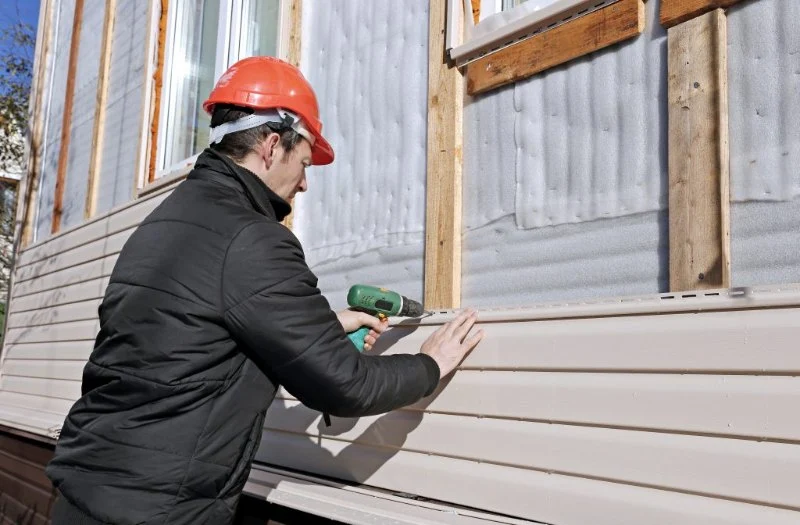
 How Often Should You Replace Your Home's Siding? Key Considerations and Expert Tipsreplace home's siding, siding replacement frequency, home siding lifespan, when to replace siding, siding maintenanceWondering when to replace your home's siding? Learn how often you should replace your siding, key factors that affect its lifespan, and expert tips on maintaining your siding to keep your home looking great.
- 1. Introduction
- 2. Understanding Your Siding Material
- 3. Factors That Affect Siding Lifespan
- 4. When to Replace Your Siding
- 5. Maintenance Tips to Extend Your Siding Lifespan
- 6. Conclusion
1. Introduction
Your home's siding is a critical element of its exterior, providing protection from the elements and enhancing its curb appeal. But how often should you replace your siding? Understanding the right time for replacement can be tricky, as it depends on various factors such as material type, climate, and the overall condition of the siding. In this article, we’ll discuss how often you should replace your home’s siding, the factors influencing its lifespan, and ways to maintain it for longer use. Let’s dive into everything you need to know to make an informed decision about your siding needs.

2. Understanding Your Siding Material
Before we discuss when to replace your siding, it’s important to understand the different types of siding materials commonly used in residential homes. The lifespan and durability of siding materials can vary significantly, so knowing your siding type will help determine when it’s time for a replacement. Here are some of the most common siding materials:
Prosperity Roofing & Exteriors, LLC
12202 Pecan St, Austin, TX 78727, USA
2.1 Vinyl Siding
Vinyl siding is a popular choice for its affordability, low maintenance, and variety of styles. On average, vinyl siding can last 20 to 40 years, depending on the quality and weather conditions. If maintained properly, it can provide long-term protection for your home.
2.2 Wood Siding
Wood siding offers a classic look but requires regular maintenance to protect against moisture and pests. Its lifespan typically ranges from 20 to 40 years, but it may need more frequent repairs and refinishing compared to other materials.
2.3 Fiber Cement Siding
Fiber cement siding is highly durable, offering a lifespan of 25 to 50 years. It’s resistant to fire, rot, and pests, making it an excellent choice for homes in various climates.
2.4 Aluminum Siding
Aluminum siding is lightweight and durable but may show signs of wear after 20 to 30 years. It’s susceptible to dents and fading over time, especially in regions with harsh weather conditions.
3. Factors That Affect Siding Lifespan
Several factors can impact how long your siding will last. It’s essential to consider these aspects when determining if it’s time to replace your siding. Here are the key factors to keep in mind:
3.1 Climate and Weather Conditions
Your home's location plays a significant role in the lifespan of your siding. Homes in areas with extreme weather conditions, such as heavy rain, snow, or intense sunlight, may experience faster wear and tear on their siding. For example, harsh winters can cause wood siding to warp, while high UV exposure can cause fading on vinyl siding.
3.2 Regular Maintenance
How well you maintain your siding directly affects its longevity. Regular cleaning, inspections, and prompt repairs can extend the life of your siding and prevent major issues. Neglecting maintenance can lead to premature wear, especially in areas prone to moisture, which can cause rot and mold.
3.3 Quality of Installation
Proper installation is essential for ensuring that your siding lasts as long as possible. Poor installation can lead to issues such as leaks, shifting, and poor sealing, which can all reduce the effectiveness of your siding. Always hire a professional contractor for siding installation to ensure it’s done correctly.
4. When to Replace Your Siding
Knowing the signs that indicate it’s time to replace your siding can help you avoid more significant issues down the road. Here are some of the key indicators that it might be time for a siding replacement:
4.1 Visible Damage
If your siding shows significant damage such as cracks, warping, or holes, it’s time to consider a replacement. Damaged siding can compromise your home’s insulation and leave it vulnerable to the elements.
4.2 Fading or Discoloration
Over time, siding can fade due to exposure to the sun and weather. If your siding’s color has significantly faded or if the texture has deteriorated, it may be time to replace it to maintain your home’s curb appeal and performance.
4.3 Increased Energy Bills
Damaged or aging siding may reduce the energy efficiency of your home, leading to higher heating and cooling costs. If you notice an increase in your energy bills, it could be a sign that your siding is no longer providing adequate insulation, and replacement may be necessary.
4.4 Mold or Mildew Growth
Excess moisture can lead to mold and mildew growth on your siding, especially if it’s wood or vinyl. If you notice mold or mildew on your siding that won’t come off with cleaning, this may indicate water damage, which can lead to more severe issues if left unaddressed.
5. Maintenance Tips to Extend Your Siding Lifespan
While siding replacement is inevitable over time, proper maintenance can significantly extend its lifespan. Here are some tips for maintaining your siding:
5.1 Regular Cleaning
Clean your siding regularly to remove dirt, debris, and stains. This will not only keep your home looking great but also prevent the buildup of harmful substances that can damage your siding over time. Use a pressure washer or a soft brush to clean vinyl and fiber cement siding, and be sure to check for any signs of wear.
5.2 Inspections
Inspect your siding regularly for any signs of damage, wear, or moisture buildup. Early detection of issues such as cracks or warping allows for timely repairs that can prevent the need for a full replacement.
5.3 Seal and Paint
If you have wood siding, regular sealing and painting are essential for protecting it from moisture and pests. Make sure to reapply sealant every few years to keep the wood in good condition and prevent rot or damage.
6. Conclusion
Replacing your home’s siding is a significant investment, but it’s essential for maintaining your home’s structural integrity, energy efficiency, and curb appeal. The timing for siding replacement depends on the material, maintenance, and climate conditions. By understanding when to replace your siding and performing regular maintenance, you can keep your home looking beautiful and protected for many years to come.
If you're ready to replace your siding or need professional advice, visit Total Roofing Hub for expert recommendations on the best products and services available.

 Skyline Designs Roofing5.0 (99 reviews)
 Perfect Roofing Installations4.0 (60 reviews)
 Dog Tags Construction LLC4.0 (16 reviews)
 Gutter Shutter of Central Maryland5.0 (9 reviews)
 Sam Cline Handyman Services4.0 (37 reviews)
 Paramount Builders Inc.4.0 (302 reviews)
 Should I Repair or Replace My Roof?
 Top 10 Signs Your Roof Needs Immediate Repair Before It’s Too Late
 The Pros and Cons of Vinyl Siding: Is It the Right Choice for Your Home?
 How to Choose a Reliable Roofing Contractor Near You – Expert Tips
 Top 10 Signs Your Roof Needs Immediate Repair You Shouldn’t Ignore
 How to Spot Hail Damage on Your Roof | Quick Guide for Homeowners