
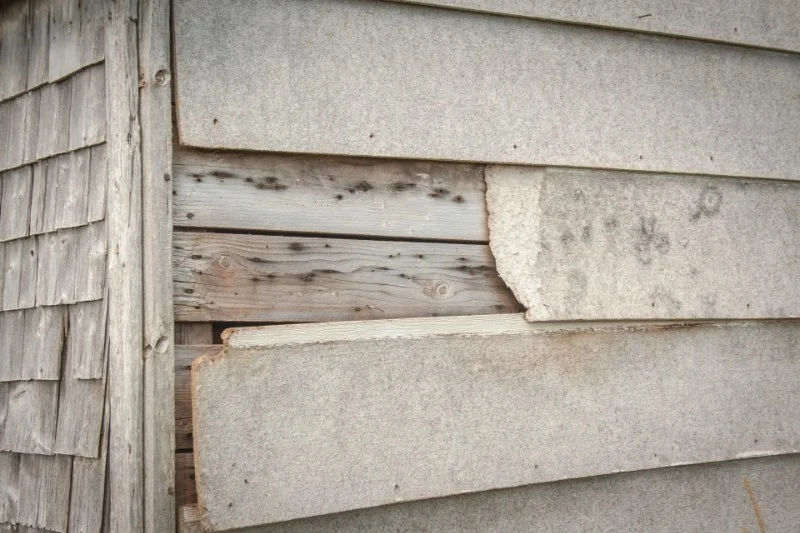
How to Detect & Address Hidden Water Damage Behind Your Siding
- 1. The Importance of Siding Maintenance
- 2. How to Detect Hidden Water Damage Behind Your Siding
- 3. Common Causes of Water Damage Behind Siding
- 4. The Impact of Water Damage on Your Home's Structure
- 5. How to Repair Hidden Water Damage Behind Your Siding
- 6. How to Prevent Future Water Damage
- 7. Real-Life Example: The Consequences of Ignoring Water Damage
- 8. Final Thoughts on Detecting and Addressing Hidden Water Damage
1. The Importance of Siding Maintenance
Your siding is an essential part of your home’s protection system. It shields your home from the elements, including rain, wind, and snow. However, over time, even the most durable siding can experience wear and tear, leading to potential vulnerabilities like water damage. Hidden water damage behind your siding can slowly weaken the structure of your home, leading to costly repairs and long-term damage if not addressed promptly. Regular siding maintenance is crucial for preserving the integrity of your home, but sometimes problems lurk beneath the surface, hidden from plain view.
2. How to Detect Hidden Water Damage Behind Your Siding
Water damage behind your siding can often go unnoticed for a long time, especially if it’s not obvious from the outside. Early detection is key to preventing significant structural damage. Here are some signs that may indicate hidden water damage:
Affordable Windows Plus Exteriors
1730 W Sunrise Blvd #101-B, Gilbert, AZ 85233, USA
1. Warping or Bubbling of Siding
If you notice that your siding is starting to warp, bubble, or shift in any way, it could be a sign of trapped moisture behind it. Warping is often caused by the swelling of materials like wood or drywall when exposed to water, while bubbling can be due to paint or finish reacting to moisture.
2. Peeling Paint or Staining
Peeling paint, discoloration, or stains on your siding are common signs that water has been sitting behind it. This can happen when moisture seeps through cracks or gaps in the siding and causes the paint to peel off. If left unchecked, the underlying wood or structure could deteriorate over time.
3. Musty Odors
A musty or moldy odor in or around your home may indicate the presence of hidden water damage. Moisture behind the siding creates an environment where mold and mildew thrive, and their presence can often be detected through unpleasant smells.
4. Visible Mold Growth
If you find mold or mildew growing on the interior side of your walls or beneath your siding, it’s a clear indication of water infiltration. Mold not only damages your home’s structure but can also pose a health risk to your family. Early detection of mold is crucial for both repair and health reasons.
5. Soft or Rotted Wood
If the wood behind your siding feels soft or rotted when touched, it’s a strong indicator that water has been seeping through. Wood rot is a serious issue that can compromise the strength of your home’s framework. If left untreated, it can lead to structural failure.
3. Common Causes of Water Damage Behind Siding
There are several reasons why water can get behind your siding, and understanding these causes can help you prevent or address the issue more effectively:
1. Improper Installation or Sealing
One of the most common causes of water damage behind siding is improper installation or sealing. If the siding isn’t properly attached or if gaps are left unsealed, water can easily find its way behind it. Ensure that your siding is properly installed and sealed by a professional to avoid these issues.
2. Cracks or Gaps in Siding
Over time, siding materials may crack, warp, or shift. These gaps allow water to infiltrate and get behind the siding. It’s important to regularly inspect your siding for cracks or gaps and to repair them promptly to prevent further damage.
3. Clogged Gutters
Clogged gutters can lead to water spilling over the edges, which can then trickle down behind the siding. This constant exposure to moisture can cause significant damage to the wood, insulation, and even the foundation of your home.
4. Faulty Flashing
Flashing is designed to redirect water away from vulnerable areas, such as around windows and doors. If the flashing is improperly installed or becomes damaged over time, it can allow water to seep behind the siding and into the walls.
4. The Impact of Water Damage on Your Home's Structure
If left undetected and unaddressed, water damage behind your siding can have a serious impact on your home’s structure. The water can seep into the framing, insulation, and other critical parts of your home, causing the following issues:
1. Mold and Mildew Growth
Prolonged exposure to water encourages the growth of mold and mildew, which can spread throughout the walls and cause extensive damage. Mold can also cause health problems, especially for those with respiratory issues.
2. Structural Damage
Water that penetrates your siding can lead to rotting wood and weakened structural components. Over time, this can affect the integrity of your home’s frame, making it more susceptible to further damage and potentially expensive repairs.
3. Foundation Issues
In some cases, if water damage continues unchecked, it can eventually affect the foundation of your home. Excess moisture around the foundation can cause soil erosion, cracks in the foundation, and water pooling, which may lead to significant structural problems.
5. How to Repair Hidden Water Damage Behind Your Siding
Repairing hidden water damage behind siding requires a thorough approach to both detecting the damage and addressing it effectively:
1. Remove the Siding
To properly address water damage, you must first remove the siding to assess the extent of the damage. This will allow you to inspect the sheathing, insulation, and framing for any signs of rot or mold.
2. Replace Damaged Materials
Any materials that have been damaged by water, including rotted wood or insulation, should be replaced. In severe cases, sections of the framing may also need to be repaired or replaced.
3. Dry and Treat the Area
Once the damaged materials are removed, thoroughly dry the affected area and treat it with a mold and mildew inhibitor. This will prevent the growth of mold and ensure the area is properly dried before new materials are installed.
4. Reinstall or Replace Siding
Once the area is repaired and treated, reinstall the siding or replace it entirely. Make sure that the new siding is properly sealed and that flashing is correctly installed to prevent future water infiltration.
6. How to Prevent Future Water Damage
Preventing future water damage is essential to maintaining the integrity of your home. Here are some steps you can take:
1. Regular Inspections
Inspect your siding regularly for signs of damage or wear and tear. Catching problems early can prevent significant water infiltration and save you from costly repairs down the line.
2. Keep Gutters Clean
Ensure that your gutters are cleaned and maintained regularly to prevent overflow and water damage to your siding. Clogged gutters can lead to water spilling behind your siding, causing long-term damage.
3. Proper Sealing and Flashing
Ensure that your siding is properly sealed and that flashing is intact around windows, doors, and other vulnerable areas. This will prevent water from seeping in and causing damage behind the siding.
7. Real-Life Example: The Consequences of Ignoring Water Damage
One homeowner, John, neglected to address small signs of water damage behind his siding. Over time, the water seeped into the walls, causing significant mold growth and structural damage. By the time he realized the severity of the issue, he had to replace several sections of his home’s frame and siding, which resulted in costly repairs. John’s experience highlights the importance of early detection and timely repairs to prevent small issues from becoming major problems.
8. Final Thoughts on Detecting and Addressing Hidden Water Damage
Detecting and addressing hidden water damage behind your siding is crucial for maintaining the integrity of your home. Regular inspections, proper maintenance, and quick repairs are essential in preventing significant damage that can lead to costly repairs. If you suspect water damage behind your siding, act quickly to minimize further harm.
For expert guidance and services in detecting and addressing water damage, visit Total Roofing Hub for the best products and solutions tailored to your needs.


 Hail Naw Roofing & Remodeling4.0 (108 reviews)
 CHESAPEAKE ROOFING SOLUTIONS L.L.C1.0 (1 reviews)
 Elite Roofers - Magnolia Roofing Contractor5.0 (3 reviews)
 Bear Mountain Custom Painting4.0 (989 reviews)
 Cobra Roofing & Restorations4.0 (124 reviews)
 AJ ROOFING5.0 (8 reviews)
 The Complete Guide to Metal Roofing Systems
 Siding Longevity by Climate: Hot, Cold, Humid & Dry Regions
 What to Expect During a Roof Inspection and Why It Matters for Homeowners
 How Roof & Siding Aging Impacts Insurance & Home Value
 Best Time of Year to Replace Your Roof - Expert Roofing Tips for Homeowners
 Should I Repair or Replace My Roof? Essential Guide for Homeowners