- Why Roof Materials Are Prone to Warping or Curling
- Common Causes of Roof Material Warping
- Effective Prevention Methods
- Maintaining Roof Integrity Over Time
- Choosing Quality Roof Materials
Why Roof Materials Are Prone to Warping or Curling
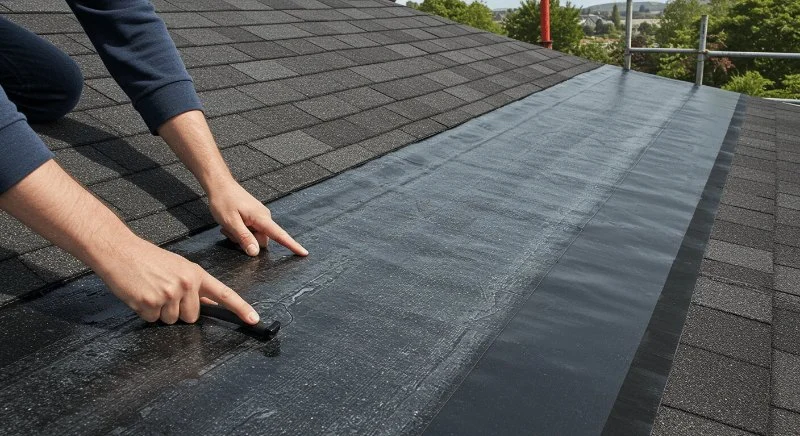
Roof materials are essential for protecting your home from the elements, but over time, exposure to heat, moisture, and other environmental factors can cause them to warp or curl. This can lead to both aesthetic and functional issues, as warped or curled roofing materials compromise your roof's ability to provide proper protection. To preserve the integrity and appearance of your roof, it is crucial to understand why materials may warp or curl and how to prevent this damage from occurring.
Common Causes of Roof Material Warping
Several factors can contribute to the warping or curling of roof materials. Let’s explore some of the most common causes:
J&E Roofing & Siding
Plymouth MeetingMontgomery CountyPennsylvania
3113 Plymouth Rock Rd, Plymouth Meeting, PA 19462, USA
1. Exposure to Extreme Weather Conditions
Hot climates and intense sun exposure can cause roofing materials, especially asphalt shingles, to expand and contract. Over time, this constant change in temperature and moisture levels can lead to the warping or curling of the material. Likewise, high winds and heavy rainfall can exacerbate the problem by loosening or damaging the roof materials, making them more susceptible to distortion.
2. Poor Installation or Ventilation Issues
Improper installation of roofing materials can lead to uneven surfaces that may warp over time. Additionally, insufficient attic ventilation can result in excess heat buildup beneath the roof, which increases the risk of materials warping or curling. Ensuring that your roof is installed correctly and that your attic has proper ventilation can help prevent these issues.
3. Age and Wear
As roofing materials age, they naturally become more prone to damage. Asphalt shingles, for example, break down over time due to exposure to UV rays, moisture, and fluctuating temperatures. The older the roof, the more likely it is to experience warping or curling. Regular maintenance can help mitigate this risk and extend the lifespan of your roof.
Effective Prevention Methods
While it’s difficult to completely eliminate the risk of roof materials warping or curling, there are several preventative measures you can take to minimize the likelihood of damage:
1. Regular Roof Inspections
One of the most important steps in preventing roof damage is conducting regular roof inspections. Check for signs of wear, damage, or curling, especially after harsh weather conditions. Early detection allows for timely repairs before issues worsen. Schedule professional inspections every few years to ensure your roof is in top condition.
2. Ensure Proper Ventilation
Proper attic ventilation is crucial in preventing heat buildup that can damage roof materials. Ensure that your roof has sufficient intake and exhaust vents to allow air to circulate and regulate temperature. This will help prevent moisture buildup and excessive heat from causing your roof to warp or curl.
3. Choose High-Quality Roofing Materials
Investing in high-quality roofing materials can significantly reduce the risk of warping or curling. Premium materials are more durable and resistant to the elements. For example, synthetic roofing materials and high-end asphalt shingles are designed to withstand heat, moisture, and other harsh environmental conditions. Choosing quality materials may cost more upfront, but it can save you money in the long run by reducing the need for repairs or replacements.
4. Apply Roof Coatings
Roof coatings can help protect your roof from the damaging effects of UV rays, moisture, and temperature fluctuations. By applying a reflective coating, you can reduce heat absorption and protect your roof materials from premature aging and warping. These coatings also provide an extra layer of protection that can extend the lifespan of your roof.
5. Repair Damage Promptly
If you notice any signs of warping, curling, or other damage to your roof, it’s essential to repair it as soon as possible. Addressing minor issues early can prevent them from escalating into more significant, costly problems. Regular maintenance and prompt repairs will help keep your roof in optimal condition.
Maintaining Roof Integrity Over Time
Maintaining the integrity of your roof is an ongoing process that requires attention to detail and regular care. In addition to performing routine inspections and addressing any damage promptly, you should also keep an eye on factors that can contribute to roof wear and tear. Ensure that your gutters are clean, that no debris accumulates on the roof, and that trees or branches don’t interfere with the roofing material.
Regular maintenance and the use of preventive measures will help your roof remain functional and aesthetically pleasing for many years. Over time, this proactive approach will also save you money by reducing the need for major repairs or replacements.
Choosing Quality Roof Materials
When replacing or installing a new roof, choosing the right materials is crucial in preventing warping or curling. Below are a few tips for selecting high-quality roofing materials:
- Material Type: Choose materials that are designed for your specific climate and roof style. For example, metal roofs are excellent in hot climates due to their durability and heat resistance.
- Manufacturer Reputation: Research roofing manufacturers and choose those with a strong track record of producing durable, long-lasting materials.
- Warranty: Look for materials that come with a solid warranty, which can provide peace of mind and protection in case of premature damage.
- Maintenance Requirements: Some roofing materials require more maintenance than others. Be sure to select materials that align with your ability and willingness to maintain them over time.
By carefully considering the type of materials and the climate conditions your home or business experiences, you can select roofing materials that will withstand the elements and prevent warping or curling.
For expert advice on roofing solutions, including material selection and installation, visit Total Roofing Hub to find the best products and services for your needs.
 Pro Siding Contractors LLC5.0 (4 reviews)
 Vinyl King4.0 (31 reviews)
 Bailey Home Improvements4.0 (21 reviews)
 M & C Construction4.0 (41 reviews)
 Summit Exteriors4.0 (90 reviews)
 All Good LLC5.0 (21 reviews)
 How Much Does a New Roof Cost in 2025? A Complete Guide for Homeowners
 The Pros and Cons of Vinyl Siding: Is It the Right Choice for Your Home?
 What’s the Best Time of Year to Replace Your Roof?
 What to Check in Roof Inspection Reports
 The Average Lifespan of Asphalt Shingle Roofs
 How to Maintain Your Siding Year Round: Essential Tips for Longevity