
- 1 - What Is an Ice Dam?
- 2 - How Do Ice Dams Form?
- 3 - How to Prevent Ice Dams on Your Roof
- 4 - Common Myths About Ice Dams
- 5 - When to Call a Professional for Ice Dam Issues
1 - What Is an Ice Dam?
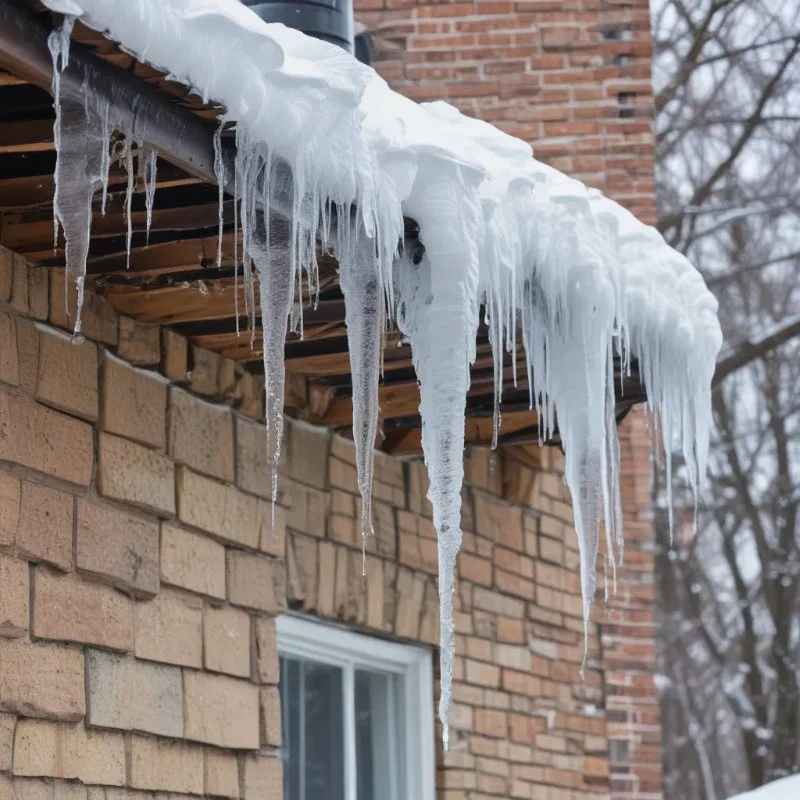
An ice dam is a ridge of ice that forms at the edge of a roof and prevents melting snow from draining off. The ice dam can cause water to back up under the shingles and into the home, potentially leading to serious water damage inside the attic or on ceilings, walls, and floors.

Peak Roofing Contractors Inc.
WarrentonFauquier CountyVirginia
405 Belle Air Ln, Warrenton, VA 20186, USA
1.1. The Danger of Ice Dams
Ice dams are not just an aesthetic issue – they can cause significant damage. As water backs up behind the dam, it can seep into the house’s interior, leading to mold growth, wood rot, and insulation damage. In severe cases, the damage can be costly to repair.

2 - How Do Ice Dams Form?
Ice dams are formed by a combination of factors, including temperature fluctuations, poor roof ventilation, and inadequate insulation. Here’s how the process typically occurs:
2.1. The Snow Melts
When heat escapes through the attic and warms the roof, the snow on top begins to melt. The water runs down the roof and re-freezes at the edge, forming a dam as the temperatures drop again.
2.2. Ice Buildup
As the water continues to melt and refreeze, layers of ice build up at the roof's edge. Over time, the ice dam becomes thicker and more difficult to manage, trapping any remaining melting snow behind it.
2.3. Water Backup
The trapped water, unable to flow off the roof, can back up under the shingles and seep into the house, causing water damage to ceilings, walls, and insulation.
3 - How to Prevent Ice Dams on Your Roof
Preventing ice dams requires addressing the conditions that cause them. Here are several strategies to protect your roof:
3.1. Improve Attic Insulation
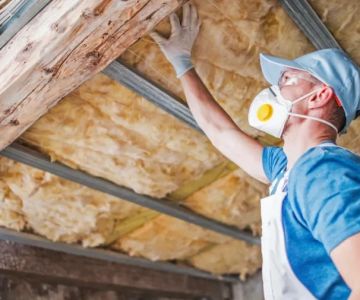
One of the most effective ways to prevent ice dams is by ensuring your attic is properly insulated. This helps to maintain an even temperature across the roof, preventing the snow from melting and refreezing at the edges.
3.2. Improve Roof Ventilation
Proper ventilation in the attic allows warm air to escape, keeping the roof cool and reducing the chances of snow melting and refreezing. Ensure that vents in the soffits and roof are clear and working effectively.
3.3. Install Ice and Water Shield
Installing an ice and water shield membrane along the edge of your roof can help to prevent water from seeping under shingles if an ice dam forms.
3.4. Remove Snow from the Roof
After a snowstorm, using a roof rake to remove excess snow from the roof can reduce the likelihood of ice dam formation. Be sure to do this carefully to avoid damaging the shingles.
4 - Common Myths About Ice Dams
There are several misconceptions about ice dams that can lead to confusion about how to deal with them:
4.1. "Ice Dams Only Occur in Cold Climates"
While ice dams are more common in colder climates, they can also occur in regions with fluctuating temperatures, especially during the winter months when snow accumulation is frequent.
4.2. "You Can Only Prevent Ice Dams by Replacing Your Roof"
While some roofing materials may be more prone to ice dams, the right insulation and ventilation solutions can effectively prevent ice dams without the need to replace your roof entirely.
4.3. "Ice Dams Are Only a Problem for Older Homes"
Even newer homes can experience ice dam issues if there are problems with insulation, ventilation, or roof design. It’s important to maintain these systems in any home to prevent ice dams.
5 - When to Call a Professional for Ice Dam Issues
If you’re experiencing persistent ice dam problems, it’s time to call a professional. A roofing contractor can inspect your attic and roof to ensure that proper insulation and ventilation are in place. If damage has already occurred, they can recommend repairs or replacements to prevent future ice dams.
5.1. Roof Inspection and Maintenance
Regular roof inspections by professionals can help catch issues that may lead to ice dams before they cause significant damage. If you notice water stains on your ceiling or suspect an ice dam, it’s important to act quickly to prevent further damage.
5.2. Professional Ice Dam Removal
In cases where ice dams have already formed, a professional roofing service can safely remove the ice and prevent further damage. This is especially important if the dam has caused water infiltration into your home.
For more guidance on preventing and fixing ice dams, visit Total Roofing Hub for expert advice and services.
 Marc Joseph remodeling5.0 (1 reviews)
 PRS Roofing Inc5.0 (9 reviews)
 KAPS CONSTRUCTION4.0 (5 reviews)
 Marshall Exteriors, LLC4.0 (213 reviews)
 S.W.A.T. Roofing & Consulting4.0 (46 reviews)
 MATFI RENOVATIONS LLC5.0 (23 reviews)
 Siding Material Fire Ratings: What’s Required & What to Choose
 Roof Talk: Common Terminology Every Homeowner Should Know
 How Often Should You Replace Your Home's Siding? Expert Tips on Siding Longevity
 The Average Lifespan of Asphalt Shingle Roofs: How Long Do They Last?
 How to Choose a Reliable Roofing Contractor Near You | Top Tips and Questions
 Should I Repair or Replace My Roof? – Expert Guide for U.S. Homeowners