- Why Choose Roofing Materials for Cold Climates
- Key Considerations for Roofing in Cold Climates
- Best Roofing Materials for Cold Climates
- How to Choose the Right Roofing Materials for Your Home
- Why Choose Total Roofing Hub for Roof Installation
Why Choose Roofing Materials for Cold Climates
When living in a cold climate, choosing the right roofing materials is vital for ensuring the longevity of your roof and protecting your home from harsh weather conditions. Cold climates bring a unique set of challenges, including snow, ice, freezing temperatures, and high winds. These conditions can place immense stress on your roof, making it important to choose materials that can withstand these elements and provide lasting protection.
Roofing materials for cold climates must offer excellent insulation, snow-shedding capabilities, and durability to handle extreme temperatures. Additionally, they should reduce the risk of issues like ice dams, leaks, and roof collapse due to heavy snow accumulation. In this article, we’ll explore the best roofing materials that provide the protection and efficiency you need in cold weather conditions.

Surianaroofing
Fountain ValleyOrange CountyCalifornia
17050 San Mateo St, Fountain Valley, CA 92708, USA
Key Considerations for Roofing in Cold Climates
Before selecting a roofing material for your home, it's essential to understand the unique challenges posed by cold weather. Here are some critical factors to consider when choosing roofing materials for cold climates:
Gardens Of Edan LLC
ScrantonLackawanna CountyPennsylvania
132 N Hyde Park Ave, Scranton, PA 18504, USA
1. Snow and Ice Resistance
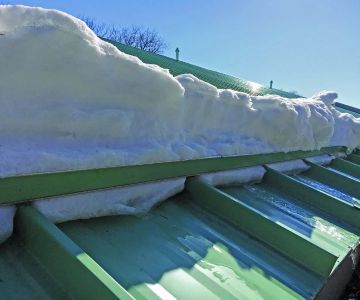
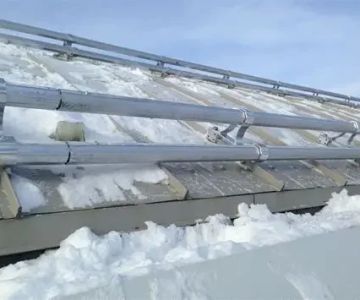
In cold climates, snow and ice accumulation can be a significant concern. Certain roofing materials are better equipped to handle snow buildup and prevent ice dams. Ice dams occur when snow melts and refreezes at the roof’s edge, creating a blockage that can damage your roof and cause leaks. Materials that allow snow to slide off easily are ideal for minimizing this risk.
2. Insulation and Energy Efficiency
Good insulation is essential for energy efficiency, especially during the cold winter months. The roofing material you choose should help keep the warmth inside your home while preventing heat from escaping through the roof. Materials with good insulating properties can help reduce heating costs and maintain a comfortable indoor temperature.
3. Durability and Longevity
The roofing material must be able to withstand the freezing temperatures and frequent freeze-thaw cycles common in cold climates. Choose a material that won’t crack, warp, or deteriorate over time due to the constant exposure to cold weather. Long-lasting materials ensure that you won’t have to deal with frequent roof repairs or replacements.
4. Weight and Structural Integrity
Heavy snow can put a significant load on your roof, so it's crucial to choose roofing materials that are strong enough to bear this weight without compromising the roof's structural integrity. This is especially important if your region experiences heavy snowfall each winter.
Best Roofing Materials for Cold Climates
Now that we understand the critical factors to consider, let's explore the best roofing materials for cold climates. These materials are designed to handle the challenges posed by snow, ice, and freezing temperatures:
1. Metal Roofing
Metal roofing is one of the best choices for cold climates due to its snow-shedding properties and durability. Metal roofs are smooth, allowing snow to slide off easily and preventing the formation of ice dams. Additionally, metal roofs are highly resistant to extreme temperatures and can last for decades with minimal maintenance.
Benefits of metal roofing in cold climates:
- Excellent snow-shedding properties
- Durable and resistant to extreme cold and heavy snow
- Reflective surface helps improve energy efficiency
- Low maintenance and long lifespan
2. Asphalt Shingles
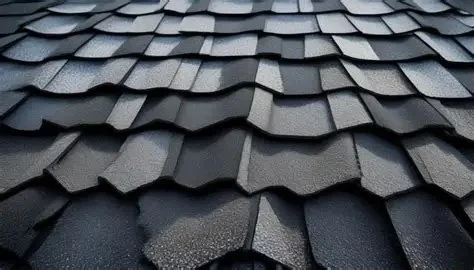
Asphalt shingles are a popular and affordable choice for roofing in cold climates. They perform well in snow and ice conditions, provided they are properly installed with adequate ventilation. Choose asphalt shingles with fiberglass reinforcement for added durability in freezing temperatures.
Benefits of asphalt shingles in cold climates:
- Affordable and widely available
- Good insulation properties when paired with quality underlayment
- Available in a wide range of colors and styles to match your home’s aesthetic
- Relatively easy to install and maintain
3. Slate Roofing
Slate is one of the most durable and aesthetically pleasing roofing materials available. It is naturally resistant to snow, ice, and freezing temperatures. Slate roofing is a long-term investment that can last over 100 years with proper care and maintenance, making it an excellent option for homeowners looking for a durable and timeless roof.
Benefits of slate roofing in cold climates:
- Extremely durable and long-lasting
- Highly resistant to extreme weather conditions
- Low maintenance and fire-resistant
- Offers a classic, high-end look
4. Clay and Concrete Tiles
While clay and concrete tiles are often associated with warm climates, they can also perform well in cold climates when installed properly. These tiles are heavy-duty and durable, providing excellent insulation and protection against cold weather. However, the weight of the tiles requires a strong roof structure to support them.
Benefits of clay and concrete tiles in cold climates:
- Durable and resistant to freezing temperatures
- Great at insulating and reducing heat loss
- Heavy-duty, suitable for regions with heavy snow
- Low maintenance and long-lasting
How to Choose the Right Roofing Materials for Your Home
When selecting roofing materials for cold climates, there are several factors to consider, such as your home’s structure, the amount of snow your area receives, and your budget. Here’s how you can make the best choice:
- Consider the Local Climate: If you live in a region that experiences heavy snowfall, you’ll want to prioritize materials that shed snow easily, like metal or slate. If your area has lighter snow and cold temperatures, asphalt shingles or concrete tiles may be sufficient.
- Insulation and Energy Efficiency: Choose materials that offer good insulation to help reduce heating costs. Metal roofing and tiles are good choices for maximizing energy efficiency.
- Budget: Asphalt shingles are typically more affordable than slate or metal roofing. Consider your budget and long-term needs when making your decision.
- Longevity and Maintenance: Consider how long you plan to stay in your home. If you want a low-maintenance, long-lasting roof, metal or slate might be the right investment.
Why Choose Total Roofing Hub for Roof Installation
If you’re looking for high-quality roofing installation in a cold climate, Total Roofing Hub is here to help. Our team of experienced professionals is well-versed in installing roofing materials that are designed to withstand the harshest winter conditions. We offer a wide selection of roofing options, including metal, asphalt, slate, and tile, to ensure you get the best protection for your home.
Whether you’re replacing an old roof or installing a new one, Total Roofing Hub provides expert advice, top-notch materials, and professional installation. Contact us today for a free consultation and let us help you choose the best roofing solution for your cold climate home.
 Curb Appeal Solutions4.0 (766 reviews)
 Carswell Construction and Restoration4.0 (57 reviews)
 Paramount Roofing & Remodeling4.0 (54 reviews)
 The Brothers That Just Do Gutters4.0 (182 reviews)
 All American Roofing Solutions3.0 (5 reviews)
 Schulte Roofing5.0 (1 reviews)
 How Roof Decking Condition Affects Overall Roofing Cost
 Best Time of Year to Replace Your Roof | Total Roofing Hub
 How to Spot Hail Damage on Your Roof and What to Do About It
 Best Time of Year to Replace Your Roof: A Seasonal Guide for Homeowners
 Top Questions to Ask a Roofing Contractor Before Hiring
 Everything You Need to Know About Roof Warranties: Coverage, Types, and Claims