- 1. What is Vinyl Siding?
- 2. The Pros of Vinyl Siding
- 3. The Cons of Vinyl Siding
- 4. Cost Considerations
- 5. Real-World Case: Vinyl Siding on Different Homes
1. What is Vinyl Siding?
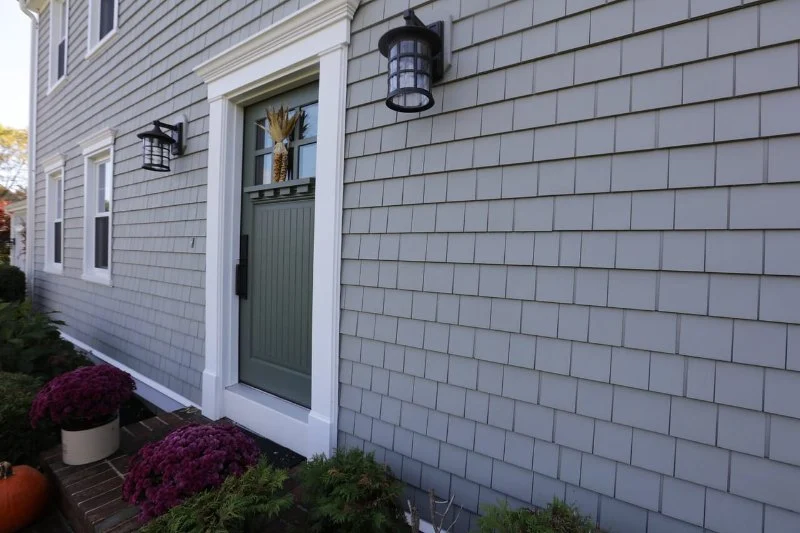
Vinyl siding is a popular cladding material made from PVC (polyvinyl chloride), commonly used to cover the exterior of homes. It is known for being lightweight, durable, and low-maintenance, making it an attractive option for homeowners looking to improve the curb appeal of their homes. Vinyl siding comes in a variety of colors, styles, and textures, giving homeowners plenty of choices when it comes to aesthetics.
One of the key reasons vinyl siding is so widely used is its ability to withstand weather conditions without needing constant maintenance. It doesn’t rot, peel, or fade easily, which makes it an appealing choice for those seeking a long-lasting exterior solution.
2. The Pros of Vinyl Siding
There are several reasons why homeowners choose vinyl siding. Here are some of the top benefits:
- Low Maintenance: Vinyl siding requires very little maintenance. Unlike wood siding, it doesn’t need to be painted or stained, saving time and money in upkeep.
- Durability: Vinyl siding is highly durable and can withstand harsh weather conditions such as rain, wind, and extreme temperatures. It won’t rot, warp, or become damaged by insects.
- Affordability: Compared to other materials like wood or fiber cement, vinyl siding is often more cost-effective. Its low installation and maintenance costs make it a popular option for budget-conscious homeowners.
- Variety of Styles and Colors: Vinyl siding is available in many styles, including horizontal, vertical, and shake styles. It also comes in a wide range of colors, allowing homeowners to choose the perfect look for their home.
- Energy Efficiency: Insulated vinyl siding can improve your home’s energy efficiency by providing additional insulation, which can help reduce heating and cooling costs over time.
3. The Cons of Vinyl Siding
While vinyl siding offers many benefits, there are also some drawbacks to consider before making your decision:
- Susceptibility to Cracking: Although durable, vinyl siding can crack or become brittle over time, especially in colder climates or if it is exposed to excessive impacts, such as from hail or falling branches.
- Limited Customization: While there are many color and texture options available, vinyl siding is still more limited in customization compared to other materials like wood or fiber cement. It may not offer the unique or high-end look that some homeowners desire.
- Environmental Impact: Vinyl siding is made from plastic, which has raised concerns about its environmental impact. While it’s durable and long-lasting, the production and disposal of vinyl can be less eco-friendly compared to other materials like wood or brick.
- Fading: Over time, the color of vinyl siding can fade due to prolonged exposure to the sun’s UV rays. This can lead to a loss of curb appeal if the siding isn’t properly maintained.
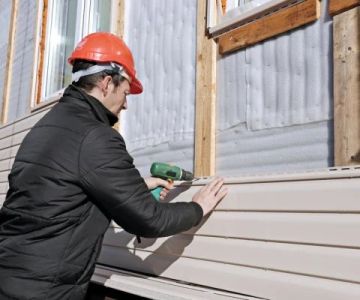
- Installation Challenges: While vinyl siding is generally easy to install, it requires precision during the installation process. Improper installation can lead to gaps, warping, or other issues, which could affect its performance and appearance.
4. Cost Considerations
When considering vinyl siding, one of the most important factors to take into account is the cost. Vinyl siding is often more affordable than wood, fiber cement, or stone cladding. On average, vinyl siding costs between $2 to $7 per square foot, depending on the quality and style you choose. Keep in mind that additional costs may arise if you opt for insulated vinyl or if your home requires extra preparation before installation.
While vinyl siding is affordable upfront, its low maintenance and durability can save money in the long run. You won’t need to repaint or repair it as often, which can significantly reduce overall costs over time.
5. Real-World Case: Vinyl Siding on Different Homes
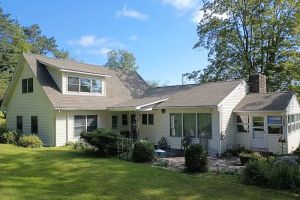
Many homeowners across the United States have chosen vinyl siding for its durability and cost-effectiveness. For instance, in Chicago, many older homes have been re-sided with vinyl as part of renovation projects. These homes, once needing constant maintenance and repairs, now have an exterior that can withstand the city’s harsh winters and humid summers without requiring frequent upkeep.
Similarly, homeowners in warmer regions like California have opted for vinyl siding to reflect heat and keep homes cooler in the summer, providing energy savings without sacrificing the aesthetics of their homes.
If you are considering vinyl siding for your home, make sure to assess your specific needs, the local climate, and the style that best fits your home. Visit Total Roofing Hub for expert advice, top-quality products, and installation services that suit your specific siding needs.
 Skyline Designs Roofing5.0 (99 reviews)
 Perfect Roofing Installations4.0 (60 reviews)
 Dog Tags Construction LLC4.0 (16 reviews)
 Gutter Shutter of Central Maryland5.0 (9 reviews)
 Sam Cline Handyman Services4.0 (37 reviews)
 Paramount Builders Inc.4.0 (302 reviews)
 Should I Repair or Replace My Roof?
 Top 10 Signs Your Roof Needs Immediate Repair Before It’s Too Late
 The Pros and Cons of Vinyl Siding: Is It the Right Choice for Your Home?
 How to Choose a Reliable Roofing Contractor Near You – Expert Tips
 Top 10 Signs Your Roof Needs Immediate Repair You Shouldn’t Ignore
 How to Spot Hail Damage on Your Roof | Quick Guide for Homeowners