- 1. Understanding Low Slope Roofs
- 2. Why Choosing the Right Material Matters
- 3. Best Roof Materials for Low Slope Roofing
- 4. Key Considerations When Choosing Roof Materials
- 5. Installation and Maintenance Tips
1. Understanding Low Slope Roofs
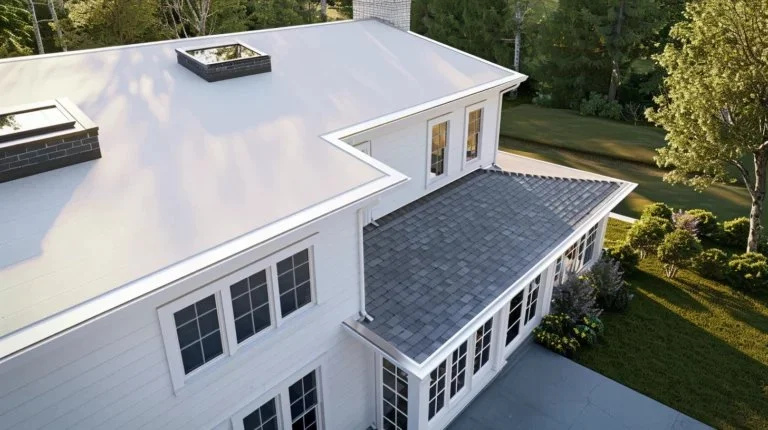
A low slope roof is typically defined as a roof with a pitch or slope of 3:12 or less (meaning the roof rises 3 inches for every 12 inches of horizontal distance). These roofs are common in commercial buildings, modern homes, and garages, offering a sleek, modern look. However, the low pitch can make drainage more challenging, which is why choosing the right roofing materials is crucial to ensuring the roof's longevity and functionality.
2. Why Choosing the Right Material Matters
Low slope roofs are more prone to water pooling, which can lead to leaks, mold growth, and other forms of damage if not properly addressed. The right roofing material can make a significant difference in the roof's durability, resistance to water, energy efficiency, and overall lifespan. Additionally, certain materials are easier to maintain and repair than others. In this section, we'll cover the materials best suited for low slope roofs and the benefits of each option.
3. Best Roof Materials for Low Slope Roofing
When it comes to low slope roofing, not all materials are equal. You need to consider factors such as waterproofing, durability, and ease of installation. Below are some of the most popular roofing materials for low slope roofs:
1. Built-Up Roofing (BUR)
Built-up roofing (BUR) is a traditional roofing material often used on low slope roofs. It consists of several layers of asphalt and felt, providing excellent waterproofing. BUR is durable and offers good protection against harsh weather conditions. However, it can be heavier and more expensive to install compared to other options. Regular maintenance is also required to ensure its longevity.
2. Modified Bitumen Roofing
Modified bitumen is a modern alternative to BUR, made with asphalt and reinforced with fiberglass or polyester. It is commonly installed in sheets and offers good waterproofing and durability. Modified bitumen is also more flexible than BUR, making it a good option for areas that experience temperature fluctuations. It is relatively easy to install and can be applied with either heat or adhesive.
3. EPDM (Ethylene Propylene Diene Monomer)
EPDM is a popular choice for low slope roofs due to its excellent durability and weather resistance. This synthetic rubber roofing material is highly flexible, UV resistant, and can withstand extreme temperatures. It is available in large rolls, making it a quick and cost-effective option for covering large areas. EPDM is also low-maintenance and can last for several decades when properly installed.
4. TPO (Thermoplastic Olefin)
TPO is a reflective single-ply roofing material known for its energy efficiency. It is heat-welded, which eliminates the need for adhesives and fasteners, making it easier to install and maintain. TPO is highly resistant to UV rays, ozone, and chemical damage, and it offers good waterproofing. It's an excellent choice for those looking for a cost-effective and eco-friendly roofing material.
5. PVC (Polyvinyl Chloride)
PVC is another single-ply roofing material that is durable, energy-efficient, and resistant to UV rays, chemicals, and fire. PVC roofing is typically more expensive than TPO but offers superior protection and longevity. It is an excellent choice for commercial buildings or areas that experience frequent weather extremes.
4. Key Considerations When Choosing Roof Materials
When selecting the best roofing material for your low slope roof, it's important to take several factors into account. Here are the key considerations:
1. Waterproofing and Drainage
Low slope roofs require excellent waterproofing due to the risk of water pooling. Make sure the material you choose is designed to prevent leaks and provide proper drainage. Materials like EPDM and TPO are particularly effective in this regard.
2. Durability and Longevity
Look for materials that offer long-term durability, especially if you want to avoid frequent repairs and replacements. EPDM, PVC, and modified bitumen are known for their longevity, with some systems lasting up to 50 years when properly maintained.
3. Installation and Maintenance
Consider how easy the roofing material is to install and maintain. Some materials, such as TPO and EPDM, are easier to install and require less ongoing maintenance. However, materials like BUR might require more care over the years, especially if you live in a region with harsh weather.
4. Energy Efficiency
Energy efficiency is another important factor to consider. Roofs that reflect sunlight, like TPO and PVC, can help reduce cooling costs by keeping your building cooler in the summer months. These materials are ideal for areas with hot climates.
5. Installation and Maintenance Tips
Proper installation and ongoing maintenance are key to ensuring the longevity and performance of your low slope roof. Here are some essential tips:
1. Professional Installation
While DIY installation might seem tempting, it's often best to hire a professional roofer who has experience with low slope roofs. A skilled installer can ensure that the material is applied correctly and that there are no issues with drainage or seams.
2. Regular Inspections
Low slope roofs are more prone to issues like water pooling and debris buildup, so regular inspections are crucial. Check your roof annually and after severe weather events to ensure there are no leaks or damage. Early detection of issues can save you from costly repairs later on.
3. Keep Gutters and Drains Clean
Clogged gutters and drains can cause water to back up on your low slope roof. Make sure to clean your gutters and drains regularly to ensure that water flows off the roof properly.
By considering the factors above and choosing the right materials, you can ensure your low slope roof will provide reliable protection for many years. For more information on roofing materials and services, visit Total Roofing Hub today!
 Homeowners Choice Construction, LLC4.0 (31 reviews)
 ABC Supply Co. Inc.4.0 (19 reviews)
 Cornerstone Building & Restoration, LLC5.0 (38 reviews)
 Lema Home Improvements5.0 (70 reviews)
 C&S Wood Design4.0 (24 reviews)
 The House Medic, LLC5.0 (8 reviews)
 How to Maintain Your Siding Year Round for Optimal Home Protection
 How to Budget for a Roof Replacement Project: Essential Tips and Strategies
 Siding Cleaning Tools: Power Washers, Soft Wash & Safe Techniques
 Roof Snow Guards: Essential for Winter Protection or Just an Extra?
 Should I Repair or Replace My Roof? A Comprehensive Guide
 How to Match Roof Shingles with Your Siding Color – Expert Tips for Perfect Home Design