
- 1 - Why Is Siding Maintenance Important?
- 2 - Types of Siding and Their Care
- 3 - Seasonal Maintenance for Siding
- 4 - How to Clean and Repair Your Siding
- 5 - When to Seek Professional Help for Your Siding
1 - Why Is Siding Maintenance Important?
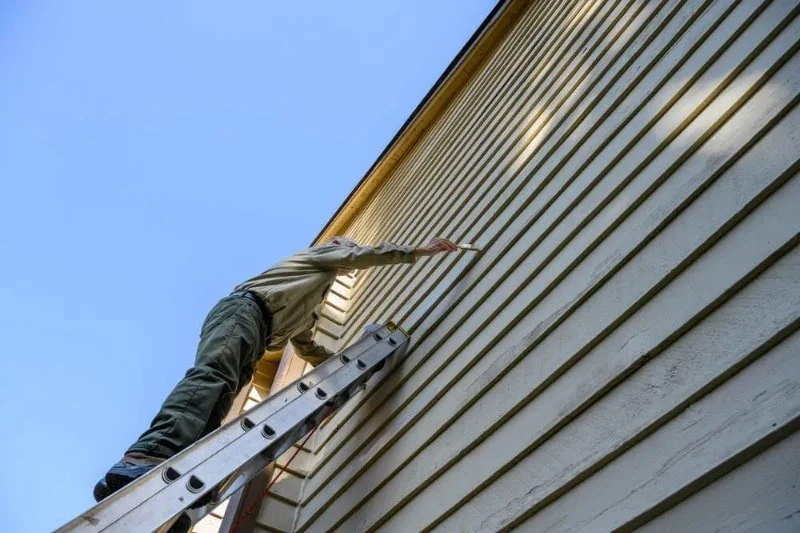
Maintaining your siding is essential to protect your home, improve its curb appeal, and prevent costly repairs. Siding acts as a protective barrier against the elements and helps insulate your home. Failing to care for it properly can lead to damage, energy inefficiency, and a decrease in property value. Let’s take a deeper look at why consistent siding care matters:

Preventing Damage
Over time, weather conditions like rain, snow, and extreme sun exposure can cause siding materials to deteriorate. Regular maintenance, such as cleaning and sealing, can prevent water from seeping behind your siding and causing rot or mold buildup, which could lead to expensive repairs down the line.

Maintaining Curb Appeal
Regular siding upkeep helps maintain the visual appeal of your home. A well-maintained exterior is crucial for increasing your home’s value, especially if you plan to sell it. Proper care ensures that your siding retains its color, texture, and strength for years to come.
Energy Efficiency
By keeping your siding in good shape, you help maintain your home’s insulation. Damaged or worn-out siding can compromise your home’s energy efficiency, leading to higher heating and cooling costs. Properly maintained siding can help reduce energy consumption by improving insulation and preventing drafts.
2 - Types of Siding and Their Care
The type of siding on your home will determine the best methods for care and maintenance. Here's an overview of the most common siding materials and how to maintain them:
Vinyl Siding
Vinyl siding is a popular and low-maintenance option due to its durability and resistance to fading. To maintain vinyl siding, regular cleaning with a garden hose and a soft brush is usually sufficient. In some cases, you may need a pressure washer for deeper cleaning. Vinyl siding should be inspected regularly for any cracks or gaps that could let water in.
Wood Siding
Wood siding gives your home a classic, natural look but requires more upkeep than other materials. Regular painting or staining is necessary to protect the wood from moisture and UV damage. In addition to cleaning with mild soap and water, wood siding should be inspected for mold or mildew growth, especially in damp climates.
Fiber Cement Siding
Fiber cement siding is a durable, fire-resistant material that can resemble wood or stucco. This type of siding requires less maintenance than wood but still needs regular cleaning to prevent dirt and debris buildup. Fiber cement can also benefit from periodic repainting to preserve its look and protective finish.
3 - Seasonal Maintenance for Siding
Siding maintenance is not a one-time task but something that needs to be done year-round. Below are some maintenance tasks you should perform for each season to keep your siding in top condition:
Spring Maintenance
After the cold months, spring is the perfect time to check for any damage caused by winter storms, ice, or snow buildup. Look for cracks, chips, or loose panels. Clean off any leftover salt from winter storms, as it can cause damage over time. This is also a great time to check for any mildew or mold growth that may have developed during the damp winter months.
Summer Maintenance
In the summer, take advantage of the warm, dry weather to thoroughly clean your siding. Use a garden hose, soft brush, or power washer to remove dirt, grime, and algae. Be sure to inspect for any issues such as warped panels or cracks. Summer is also an excellent time to trim back any nearby trees or bushes that could cause scratches or scratches to your siding.
Fall Maintenance
As the weather cools down, fall maintenance ensures your siding is ready for the upcoming winter months. Clean your gutters and remove debris to prevent water from backing up and potentially damaging your siding. Inspect for any gaps or cracks that could let cold air in. You may also want to touch up any paint or sealant to help protect your siding against winter’s chill.
Winter Maintenance
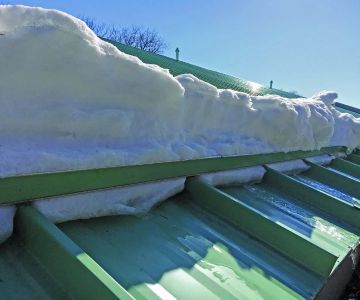
During winter, snow and ice can cause significant damage to your siding if left untreated. While you might not be able to do extensive repairs during freezing temperatures, be sure to keep an eye on your siding for any damage. Removing heavy snow or ice buildup is important to prevent moisture from seeping behind the siding, leading to mold or rot.
4 - How to Clean and Repair Your Siding
Regular cleaning and repairing small issues can prolong the life of your siding. Here’s how to care for your siding properly:
Cleaning Vinyl and Fiber Cement Siding
To clean vinyl and fiber cement siding, use a hose with a mild detergent or a non-abrasive cleaner. For stubborn stains, a soft brush can help remove dirt without damaging the material. A pressure washer can be used for deeper cleaning, but be sure to follow the manufacturer’s recommendations to avoid damage.
Cleaning Wood Siding
Wood siding requires more attention. Use a soft brush and soapy water to gently clean dirt and grime. Wood siding should be painted or stained every 3-5 years to protect it from the elements. Also, make sure the wood is completely dry before applying paint or stain to prevent moisture buildup.
Repairing Siding
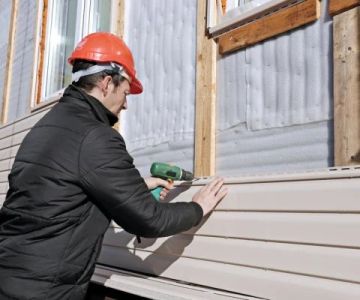
Small cracks or damage to your siding should be addressed promptly to avoid bigger issues. For minor repairs, you can replace damaged panels or fill small cracks with caulking or a sealant. However, for more extensive damage, it’s best to call a professional siding contractor for help.
5 - When to Seek Professional Help for Your Siding
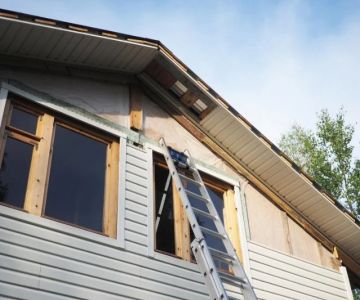
While you can take care of basic maintenance tasks, there are times when you should hire a professional. If you notice significant damage, such as warped siding, large cracks, or water damage, it’s best to get help from a contractor. Additionally, if your siding is difficult to reach or requires specialized equipment for repairs, a professional will be able to handle the job safely and efficiently.
For professional siding services or to learn more about maintaining your home’s siding, visit Total Roofing Hub. We offer expert advice and solutions for all your roofing and siding needs.

 Marc Joseph remodeling5.0 (1 reviews)
 PRS Roofing Inc5.0 (9 reviews)
 KAPS CONSTRUCTION4.0 (5 reviews)
 Marshall Exteriors, LLC4.0 (213 reviews)
 S.W.A.T. Roofing & Consulting4.0 (46 reviews)
 MATFI RENOVATIONS LLC5.0 (23 reviews)
 Siding Material Fire Ratings: What’s Required & What to Choose
 Roof Talk: Common Terminology Every Homeowner Should Know
 How Often Should You Replace Your Home's Siding? Expert Tips on Siding Longevity
 The Average Lifespan of Asphalt Shingle Roofs: How Long Do They Last?
 How to Choose a Reliable Roofing Contractor Near You | Top Tips and Questions
 Should I Repair or Replace My Roof? – Expert Guide for U.S. Homeowners