
- 1- Introduction: What is a Roof Sheathing Moisture Barrier?
- 2- Why Roof Sheathing Moisture Barriers Are Important
- 3- How Does a Roof Sheathing Moisture Barrier Work?
- 4- Benefits of a Roof Sheathing Moisture Barrier
- 5- Installing a Roof Sheathing Moisture Barrier
- 6- Maintenance and Care for Roof Sheathing Moisture Barriers
- 7- Conclusion: Protecting Your Roof for the Long Term
1- Introduction: What is a Roof Sheathing Moisture Barrier?
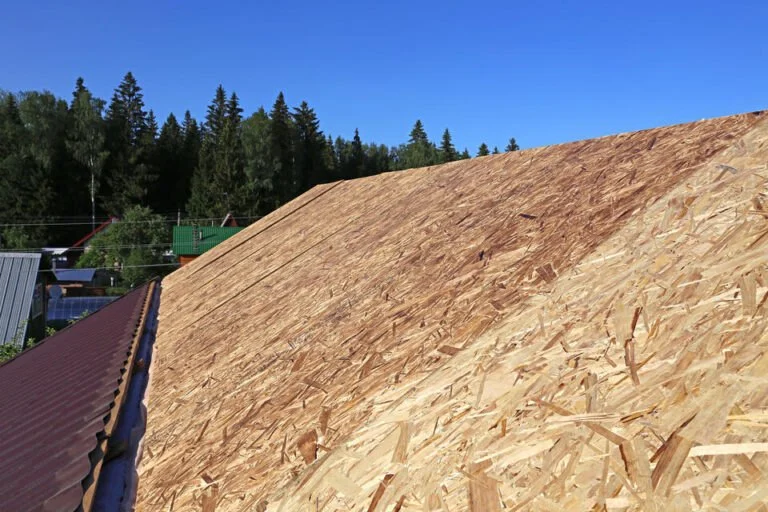
When it comes to roofing systems, a roof sheathing moisture barrier plays a crucial role in protecting your home from the damaging effects of water and moisture. This barrier is a layer placed between the roof sheathing (the structural base of your roof) and the outer roofing material. It helps prevent moisture from infiltrating the roof, which can lead to structural damage, mold growth, and other issues that compromise the longevity of your roof.

2- Why Roof Sheathing Moisture Barriers Are Important
Roof sheathing moisture barriers are important because they protect the roof structure from moisture-related damage. Without a proper moisture barrier, water can seep into the roof, causing the wood to rot, the shingles to degrade, and the insulation to lose its effectiveness. Over time, this can lead to costly repairs and reduced energy efficiency in your home.
In regions with heavy rain, snow, or humidity, installing a moisture barrier is particularly important to ensure that your roof performs well throughout the year. This barrier essentially acts as a shield against water intrusion, enhancing the overall durability of your roof.
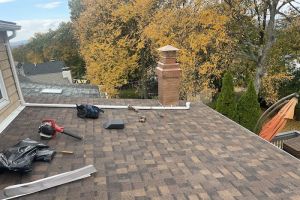
A1 Garden State Construction
Little Falls TownshipPassaic CountyNew Jersey
22 1st St, Little Falls Township, NJ 07424, USA
3- How Does a Roof Sheathing Moisture Barrier Work?
The roof sheathing moisture barrier works by creating a protective layer that prevents moisture from penetrating the roofing system. It is typically made of materials like synthetic felt, rubber, or plastic, and is installed directly onto the roof sheathing before the outer roofing materials (such as shingles, tiles, or metal panels) are applied.
When water or snow accumulates on the roof, the moisture barrier helps redirect it away from the sheathing. It allows any trapped moisture to evaporate while blocking water from entering the roofing structure. The barrier is essential in maintaining the integrity of the roof by preventing mold growth, wood rot, and the deterioration of roofing components.
4- Benefits of a Roof Sheathing Moisture Barrier
There are several benefits to using a roof sheathing moisture barrier:
- Prevents Water Damage: Moisture barriers help protect the roof from water damage, ensuring the longevity of your roofing system.
- Reduces Mold Growth: By preventing moisture from seeping into the roofing structure, the barrier reduces the likelihood of mold growth inside your attic or roof space.
- Improves Energy Efficiency: A moisture barrier helps keep your roof dry, which in turn helps maintain proper insulation, improving your home's energy efficiency.
- Enhances Roof Durability: The moisture barrier adds an extra layer of protection, improving the overall durability of your roof and reducing the need for frequent repairs.
5- Installing a Roof Sheathing Moisture Barrier
Installing a roof sheathing moisture barrier is a relatively simple process, but it requires professional installation to ensure it’s done correctly. Here’s a basic overview of the installation steps:
- Preparation: Before installation, the roof sheathing must be clean and dry to ensure proper adhesion of the moisture barrier.
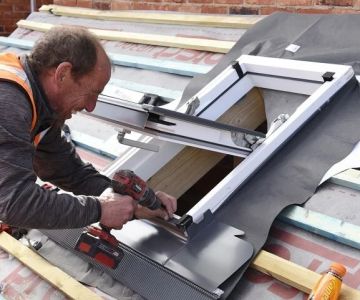
- Installing the Barrier: The moisture barrier is rolled out and installed directly onto the roof sheathing. It is carefully aligned to ensure full coverage, with overlapping seams to prevent water infiltration.
- Securing the Barrier: The moisture barrier is fastened with nails or staples, ensuring it stays in place during the roofing process.
- Final Inspection: Once the moisture barrier is in place, a final inspection is conducted to ensure there are no gaps or exposed areas that could allow water to enter.
6- Maintenance and Care for Roof Sheathing Moisture Barriers
Roof sheathing moisture barriers require very little maintenance, but it’s essential to ensure they remain in good condition. Here are a few tips for maintaining the moisture barrier:
- Regular Inspections: Periodically inspect your roof for any signs of wear or damage to the moisture barrier, especially after heavy storms or significant weather events.
- Ensure Proper Ventilation: Proper attic ventilation helps prevent moisture buildup that could damage the barrier over time.
- Prompt Repairs: If you notice any damage to the moisture barrier, such as tears or punctures, it’s essential to repair it promptly to prevent water infiltration.
7- Conclusion: Protecting Your Roof for the Long Term
Roof sheathing moisture barriers play a crucial role in maintaining the integrity of your roof. By preventing water intrusion and protecting your roof from mold, rot, and other moisture-related issues, they ensure that your roofing system remains strong and durable. Whether you’re installing a new roof or replacing an old one, make sure to consult with roofing professionals about the importance of a moisture barrier for optimal protection.
For more information on roofing materials and services, visit Total Roofing Hub to find the best products and recommendations for your roofing project.

 Superior Remodeling LLC5.0 (13 reviews)
 Robert's Exterior Home Improvement LLC5.0 (3 reviews)
 Turn Over Painting Contractors4.0 (19 reviews)
 Curtis Lumber Co Inc.4.0 (45 reviews)
 Eola Roofing & Windows Expert0.0 (0 reviews)
 Rave Renovation4.0 (92 reviews)
 How Roof & Siding Color Choices Affect Curb Appeal & Resale Value
 Discover the Environmental Benefits of a Cool Roof for Your Home or Business
 Top 10 Questions to Ask a Roofing Contractor Before Hiring
 Cedar vs Engineered Wood Siding: Which One Is More Durable? | Total Roofing Hub
 The Best Roofing Materials for Cold Climates | Total Roofing Hub
 The Best Roofing Materials for Cold Climates